BÆUTIF∆ID
The dataset is the disease. The dataset is the cure.
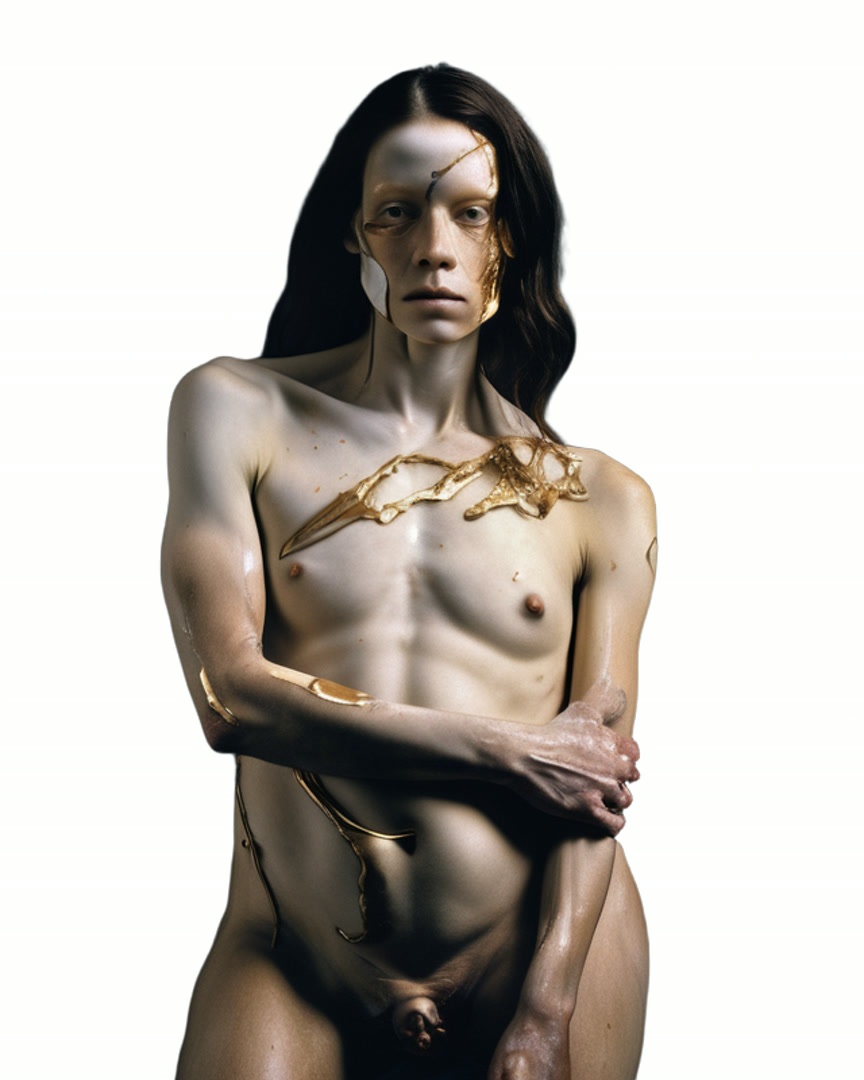
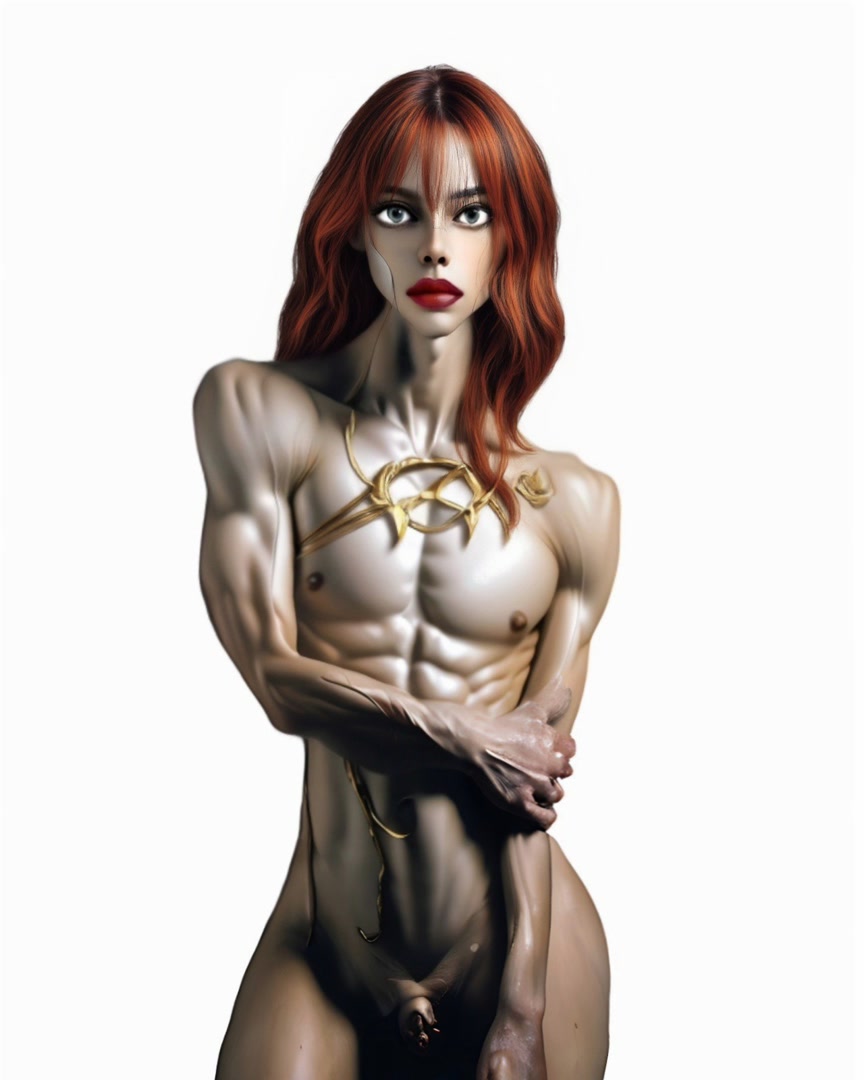
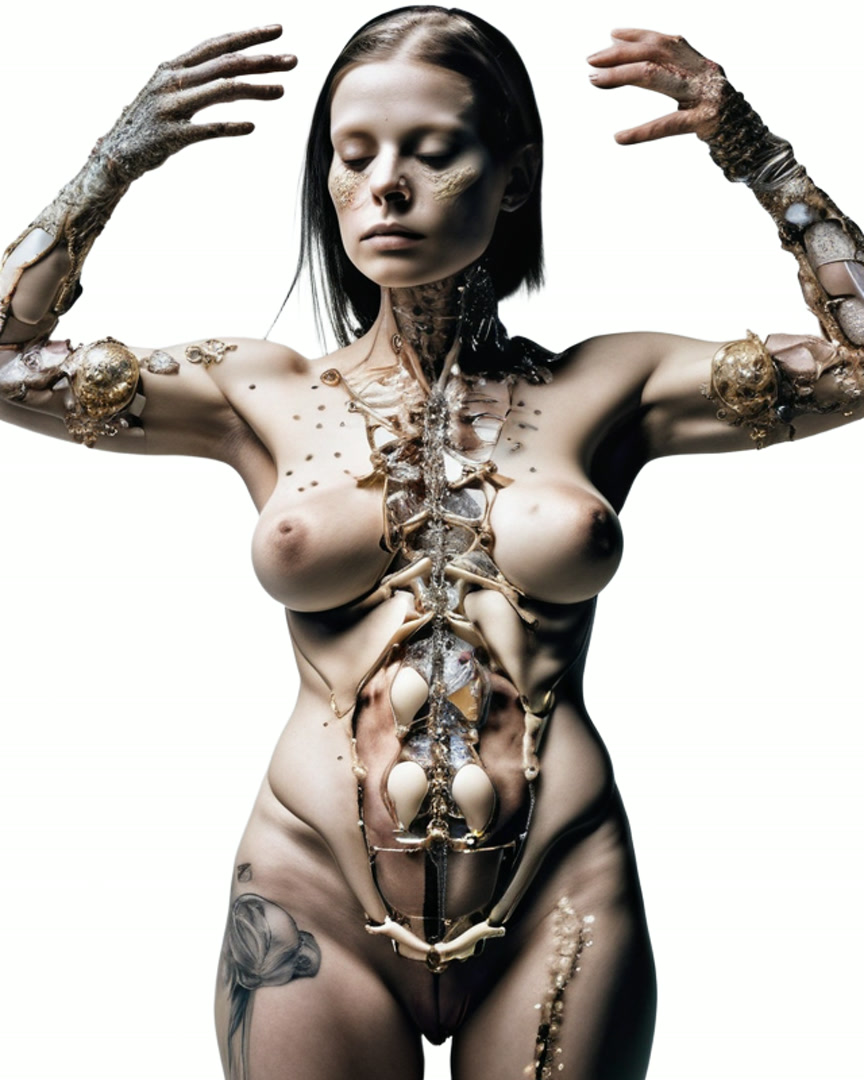
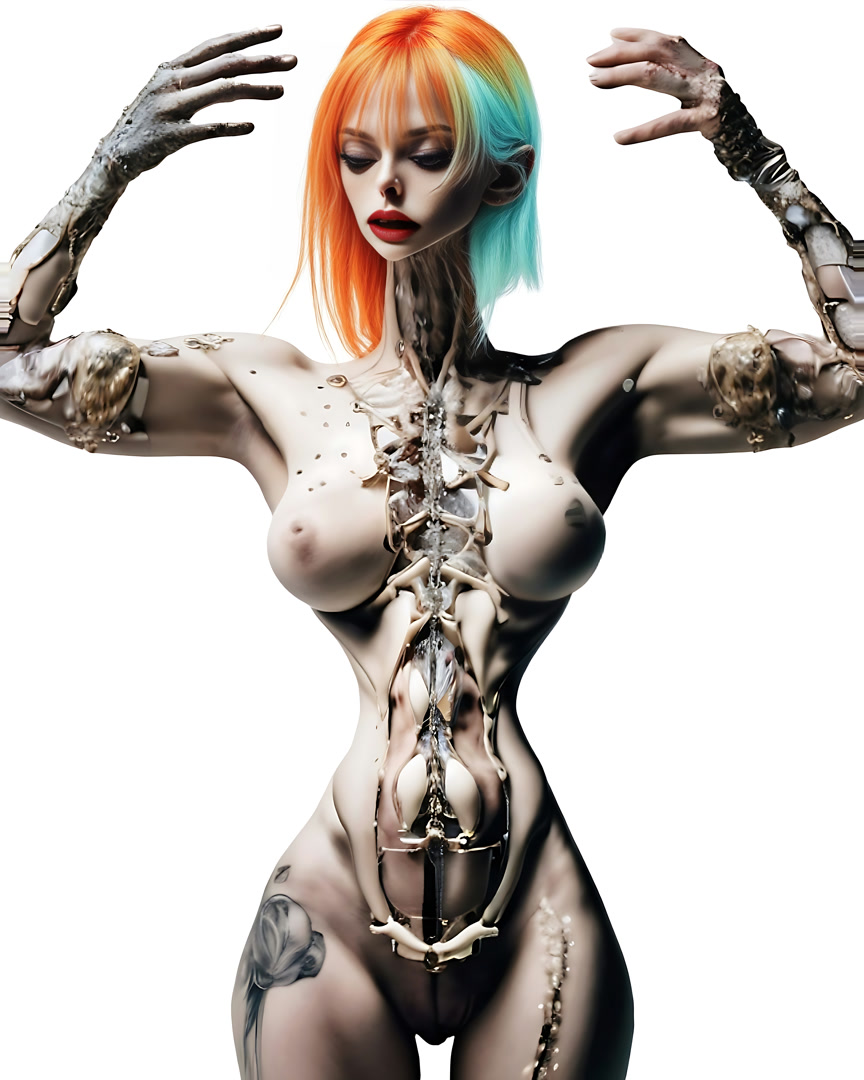
BÆUTIF∆ID starts where THƏ L∆B ØF ∆NØM∆LIƏS ends. The same AI-generated faces — anomalous, damaged, outside the parameters of what the model considers normal — passed through a second machine. A beautification app. The kind that smooths, corrects, erases. The kind built to fix what doesn't conform.
What happens is precise. The features that made the face anomalous — the asymmetry, the skin condition, the mark, the deviation — disappear. Not gradually. Completely. What remains is not a face that looks normal. It looks processed. Optimised. The marks are gone but the wrongness stays — now wearing the mask of beauty instead of showing the wound. Which is worse.
This is not an accident. This is the system working as designed.
The AI that generates these faces was trained on a dataset. The dataset encoded a standard — what faces look like, what beauty looks like, what deviation looks like. The beautification app was trained on a different dataset. A dataset that encoded the same standard, from the other direction. One produces the anomaly. The other erases it. Both learned from the same cultural agreement about what a face is supposed to be.
The pairs in this series show both states. The face as generated — imperfect, marked, itself. The face as corrected — smoothed, neutralised, made acceptable. The before and the after. Except the before was never real either. Both images are synthetic. Both are the product of datasets. The disease and the cure are the same thing.
BÆUTIF∆ID is part of DISØRDIN∆RY BÆUTY — a research project into the mechanisms that decide what beauty is, who it belongs to, and what it costs to be outside it.
Before / After
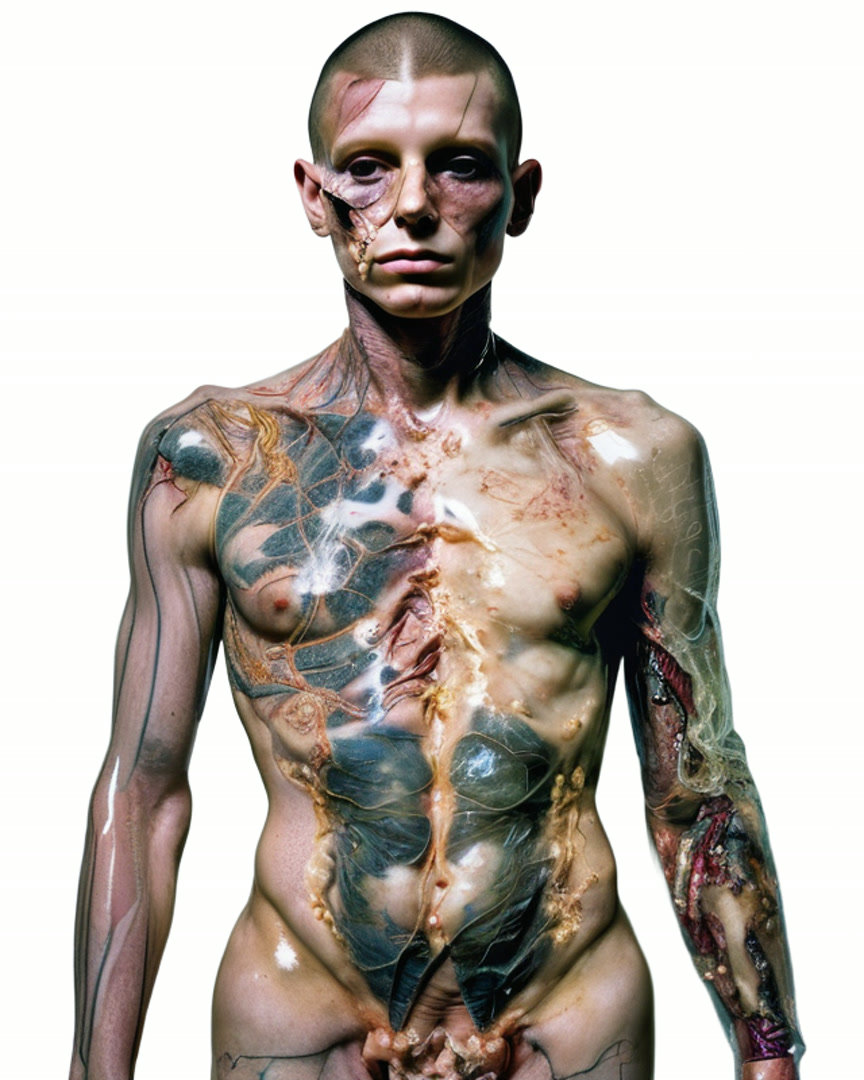
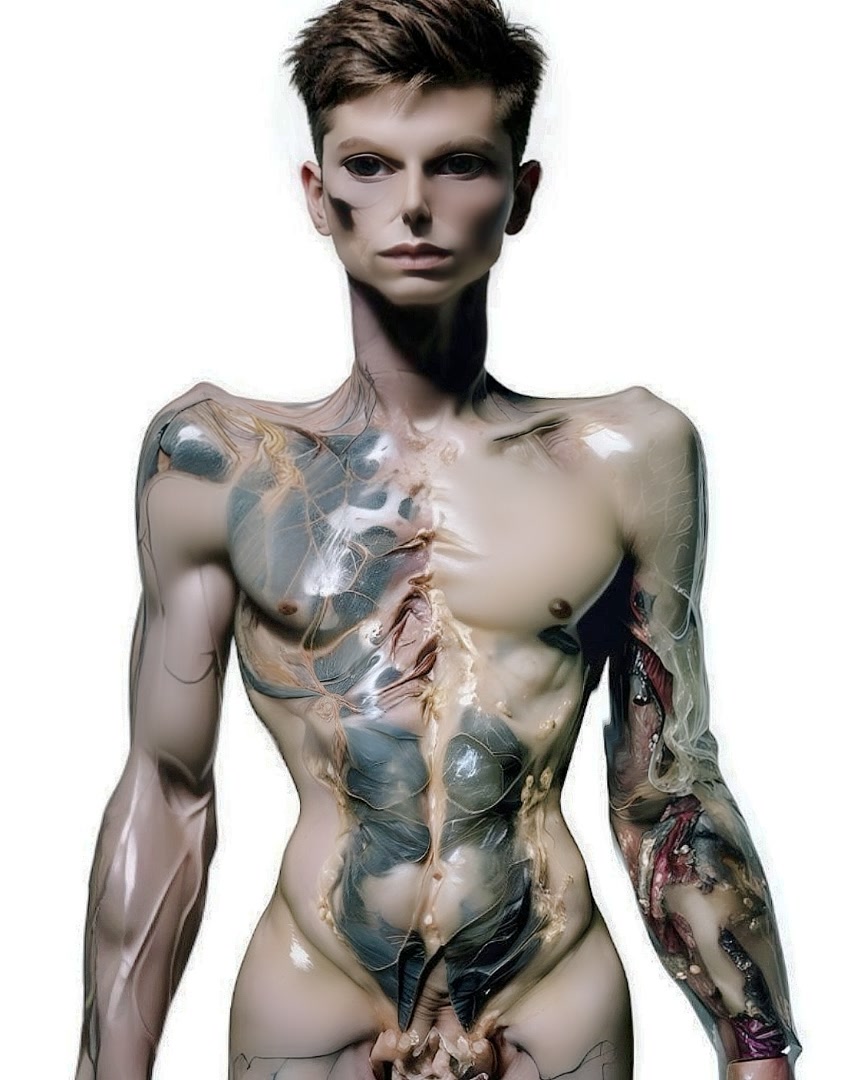
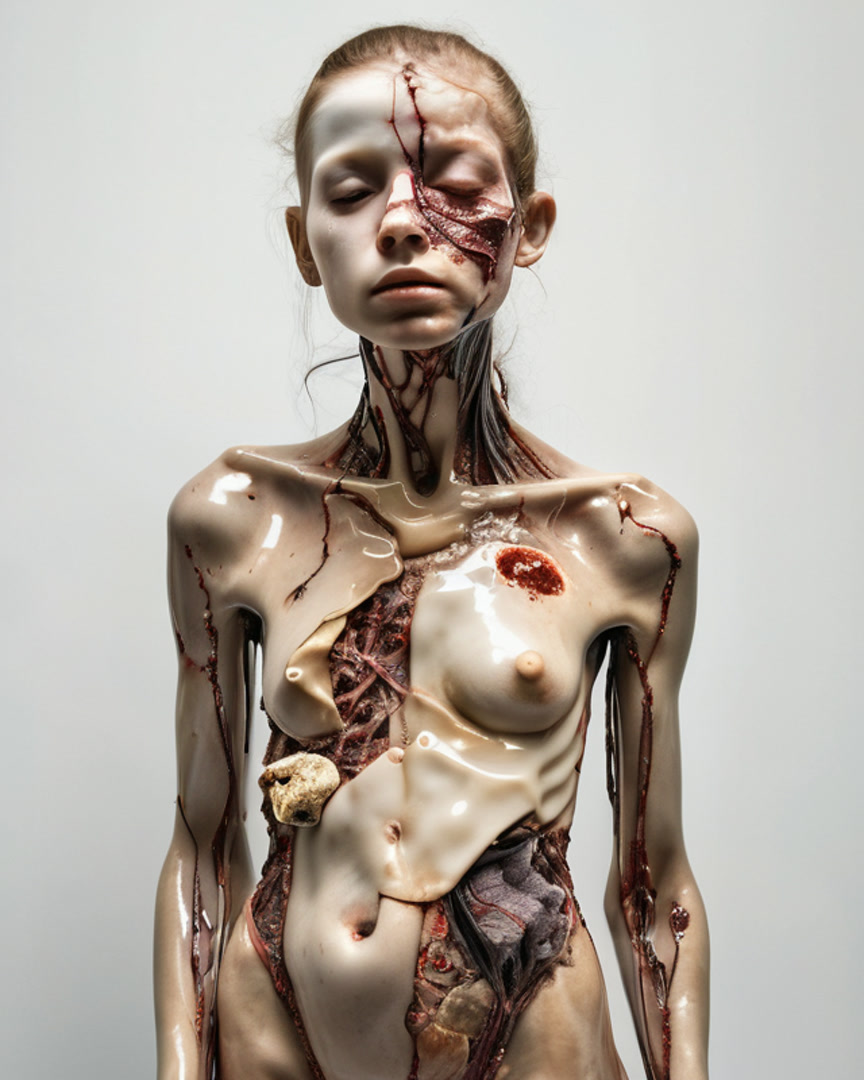
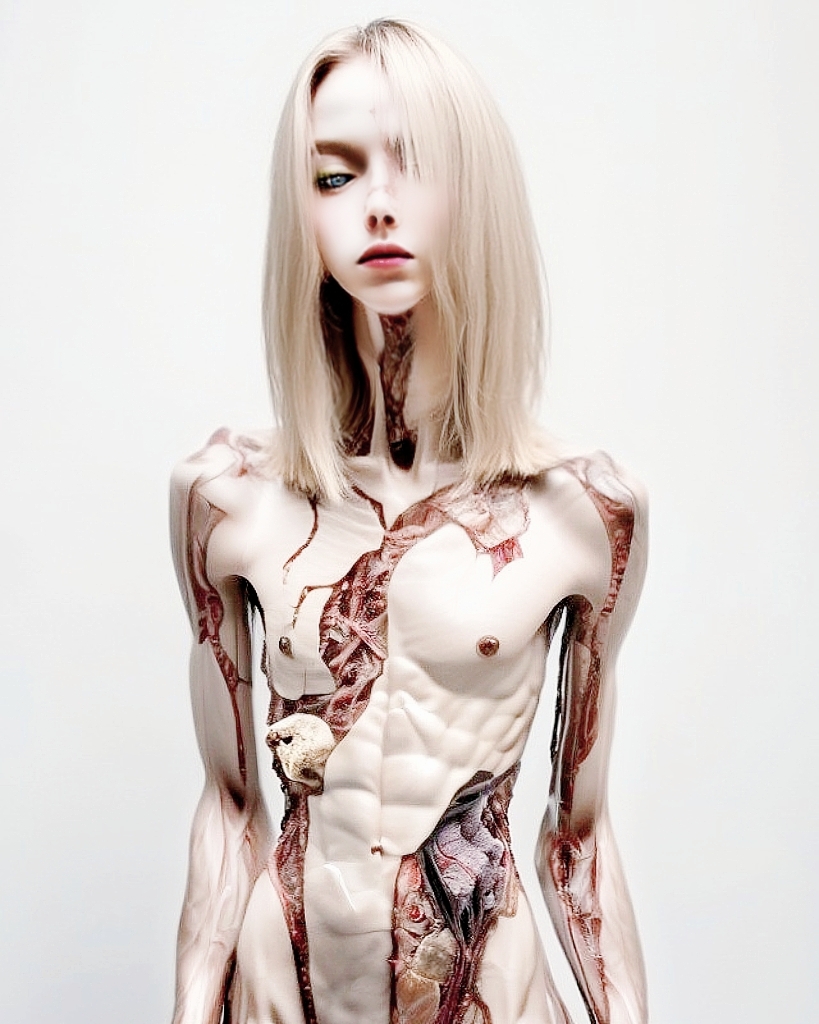
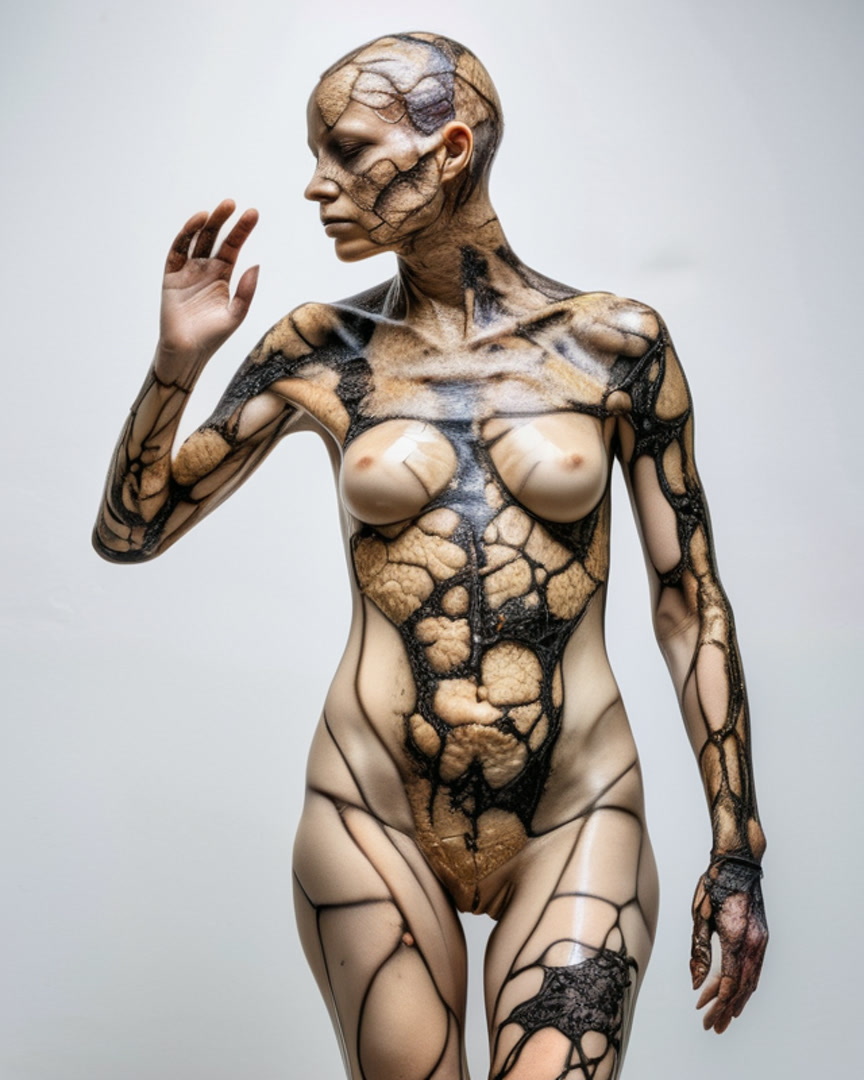
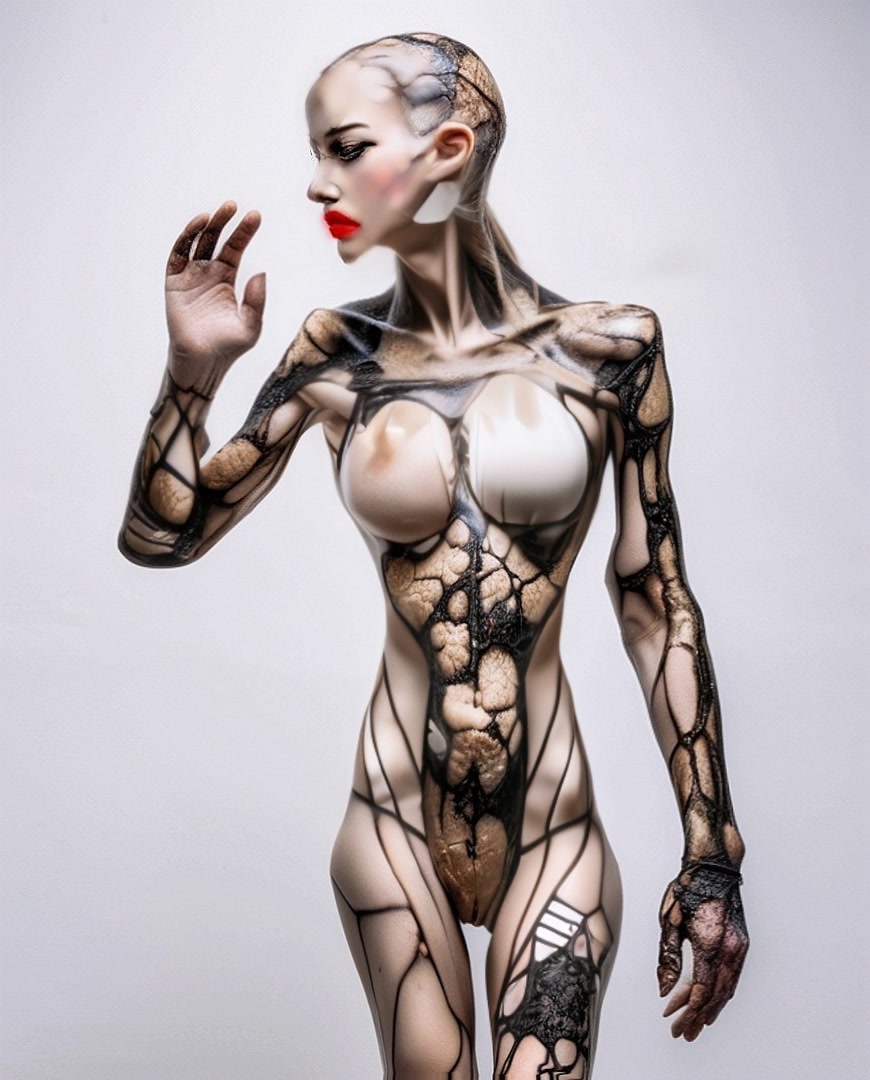
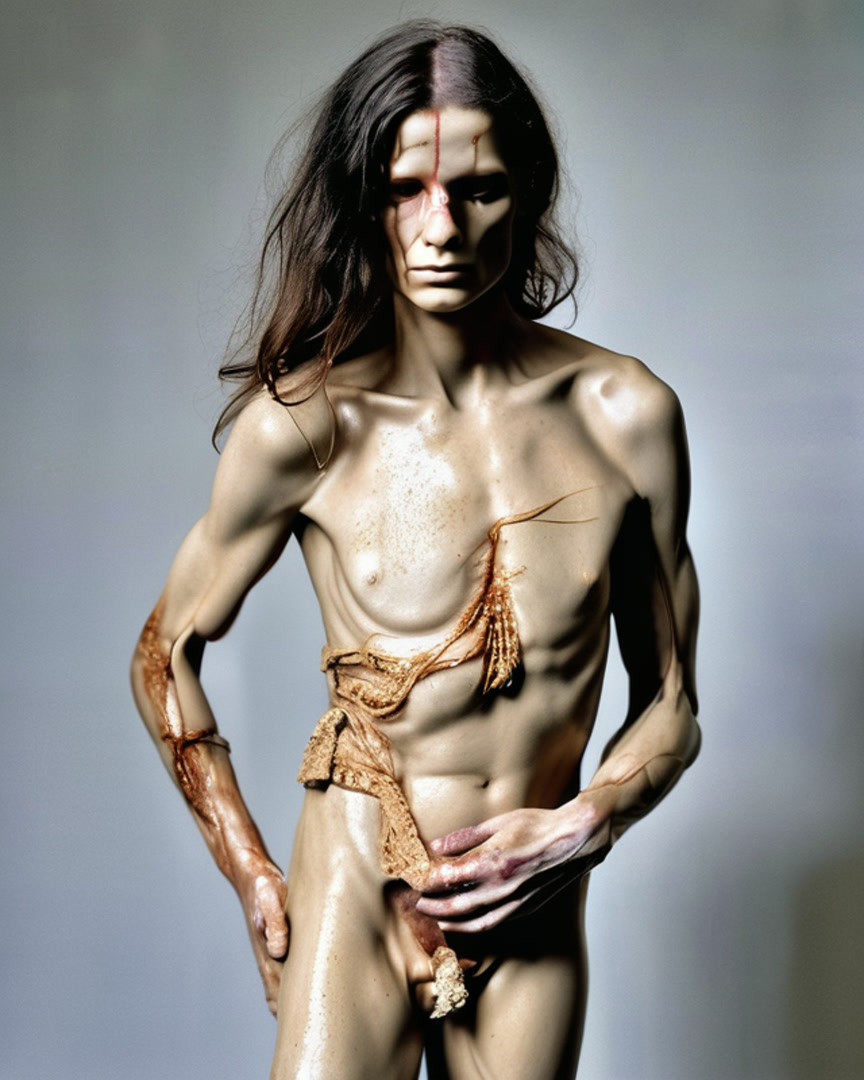
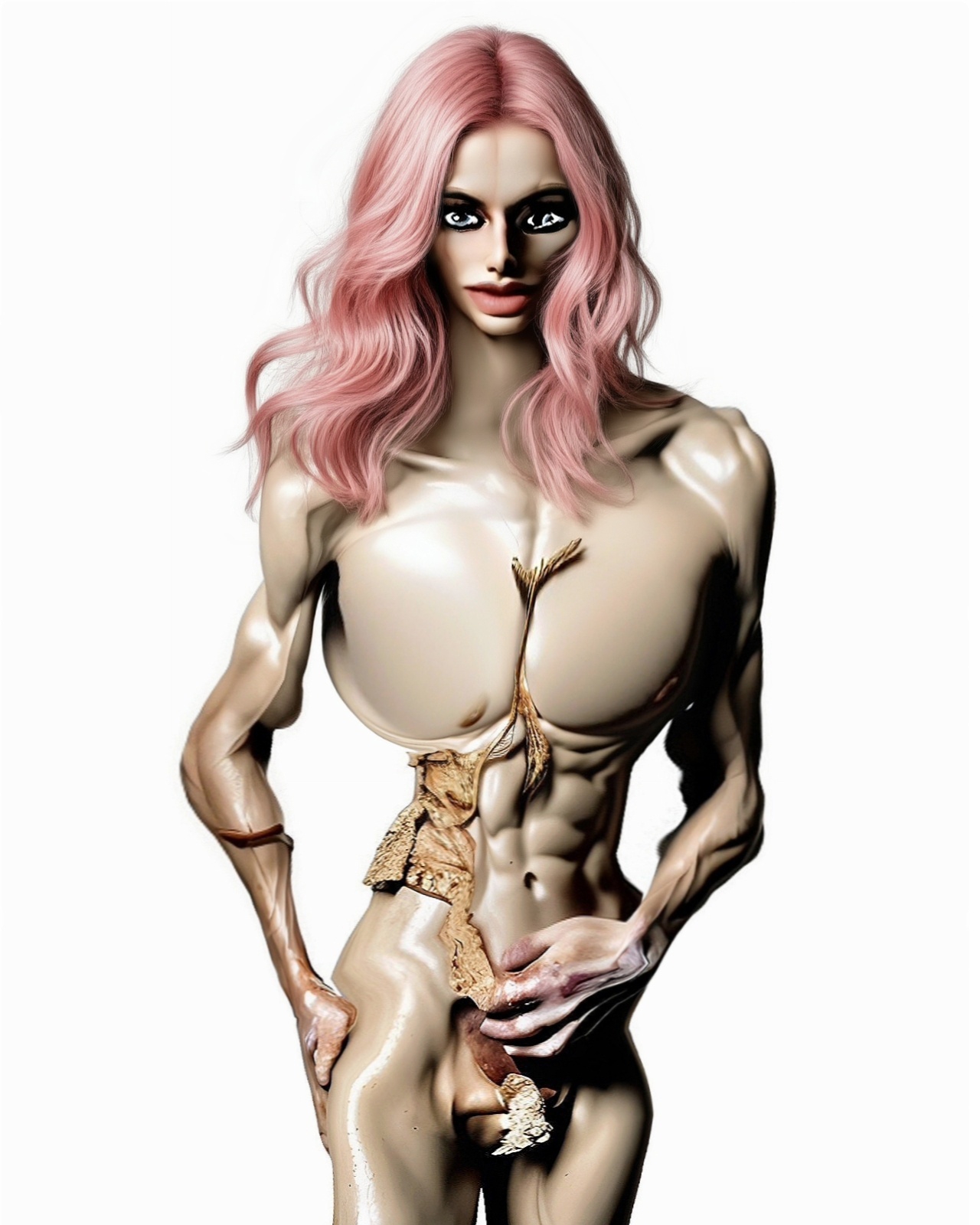
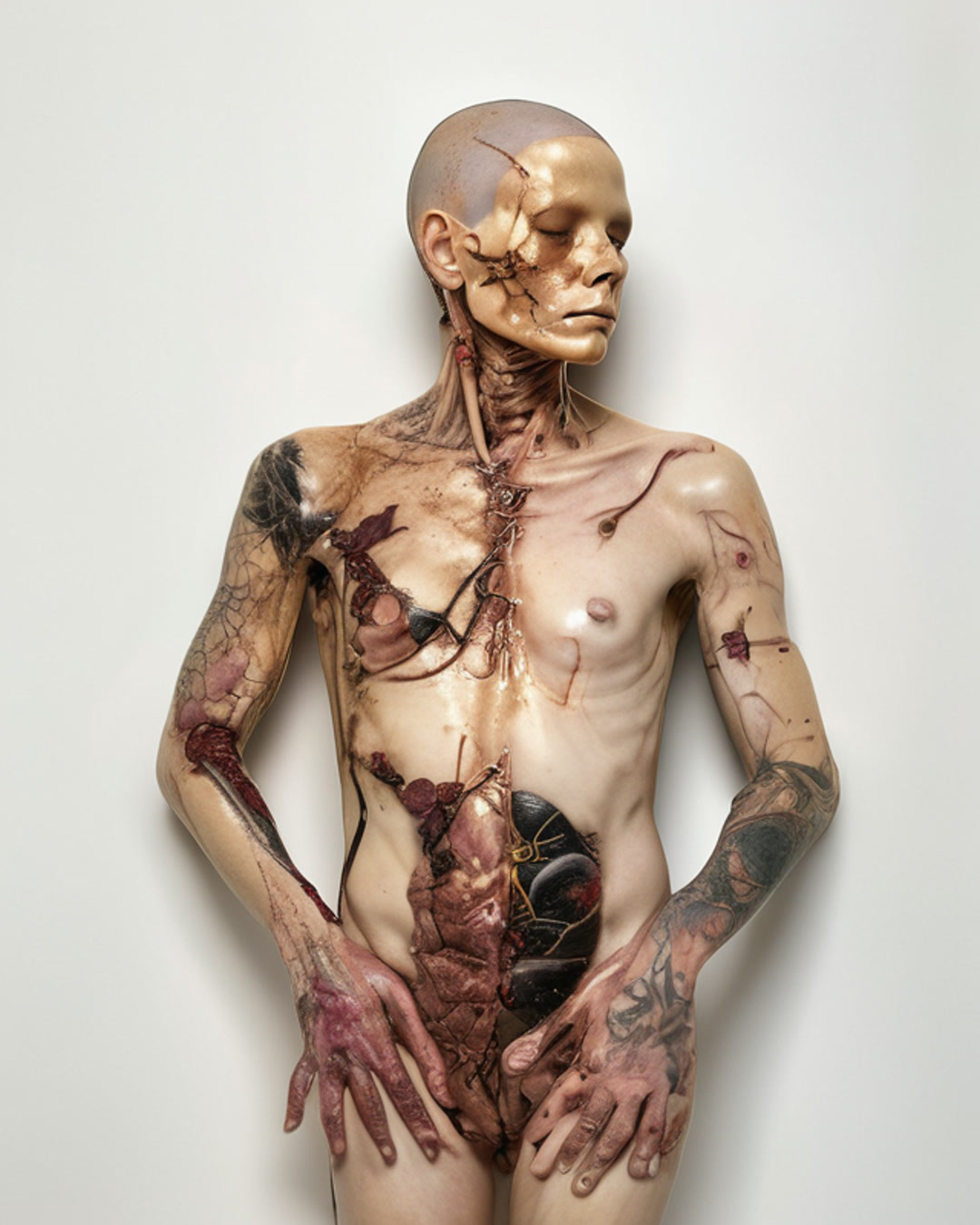
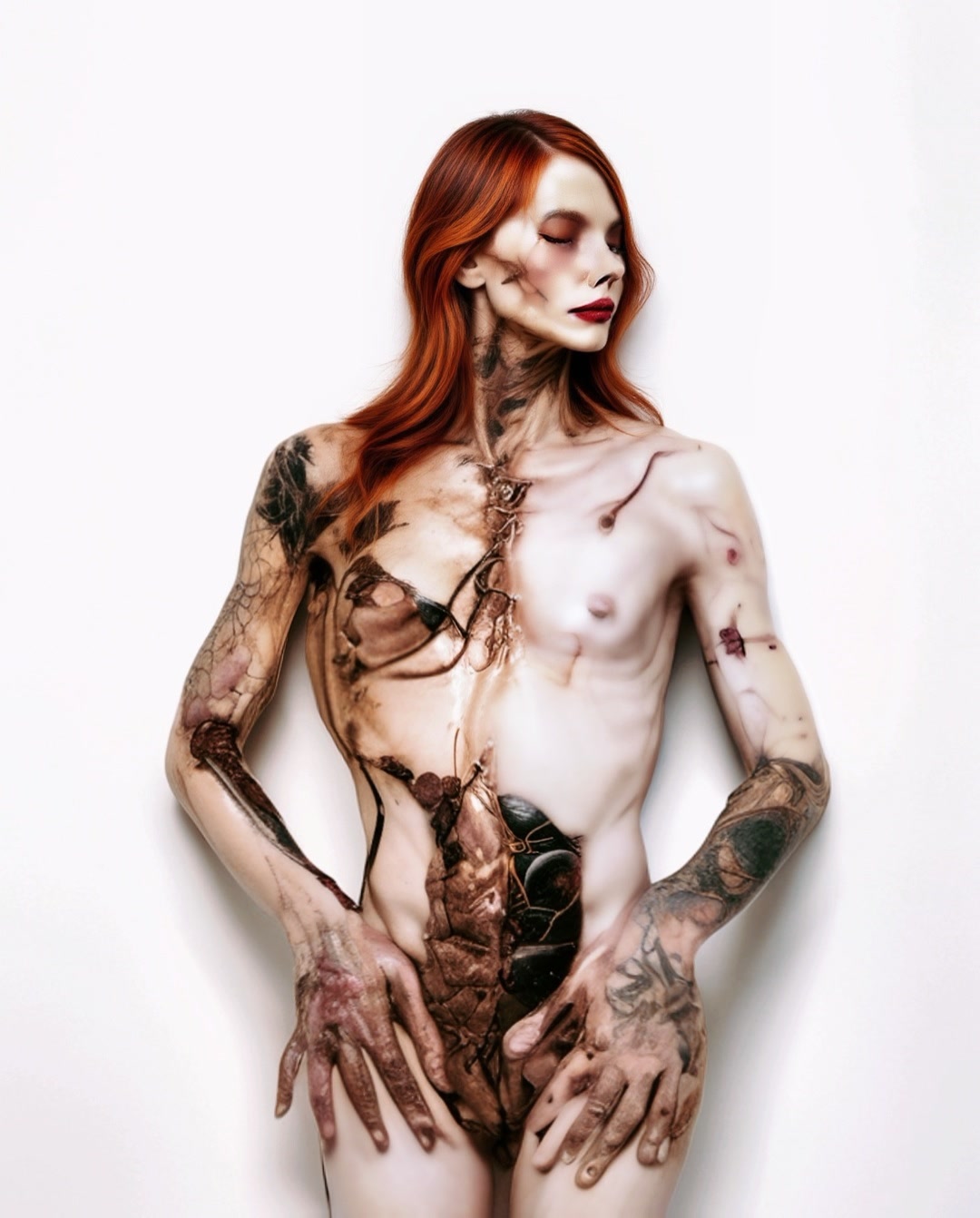
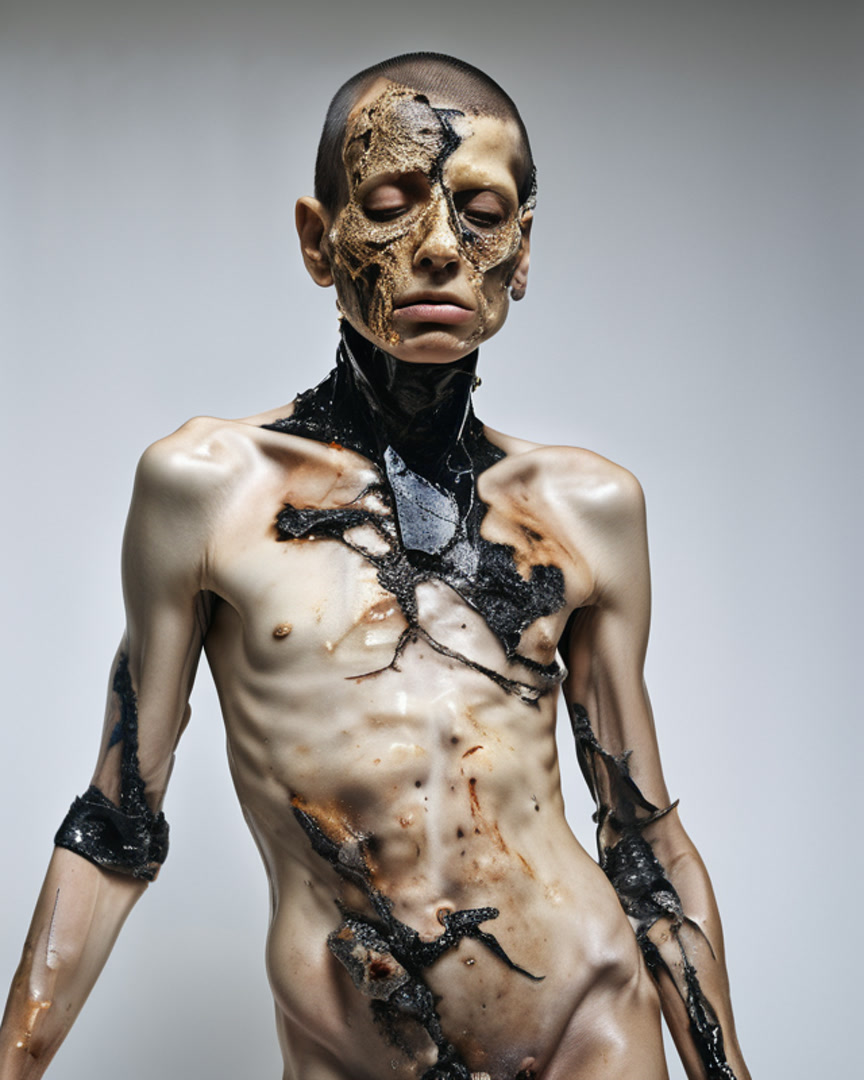
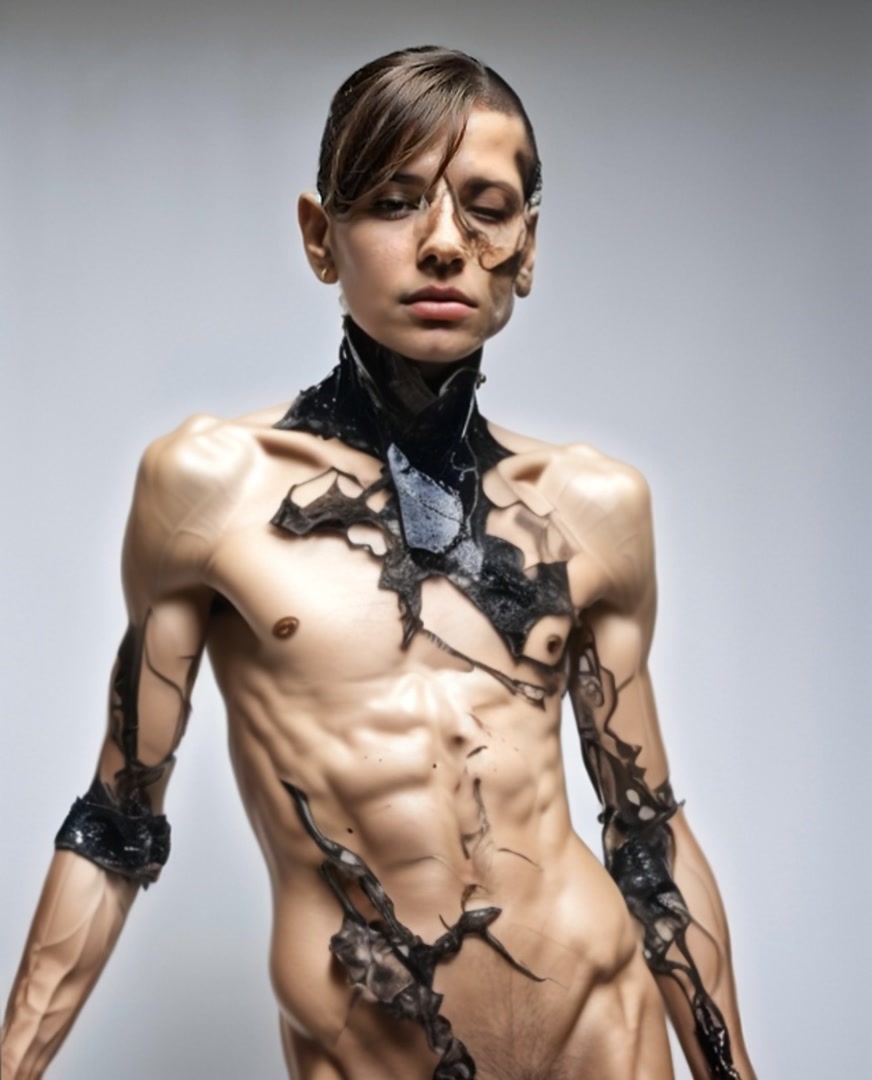
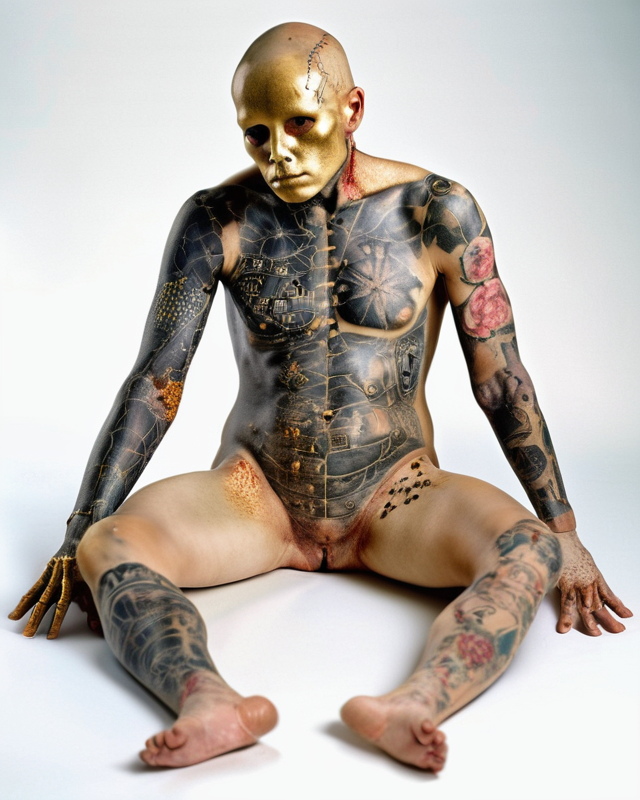
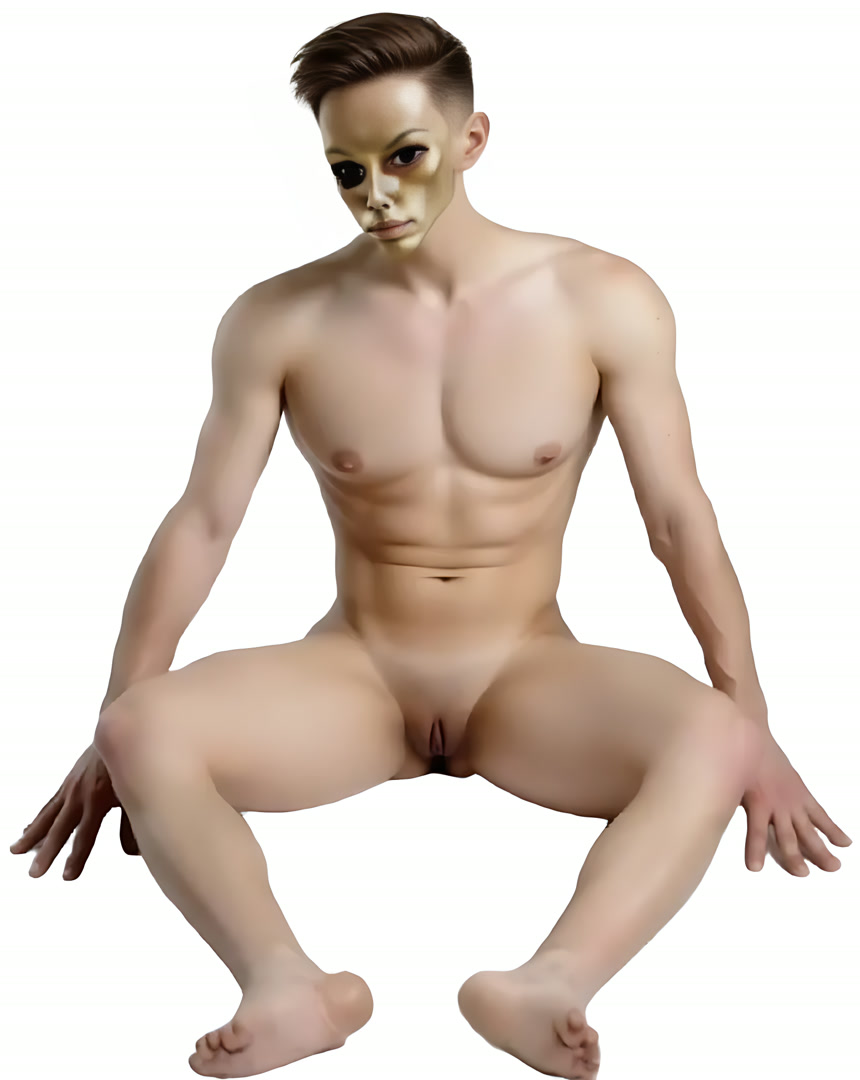
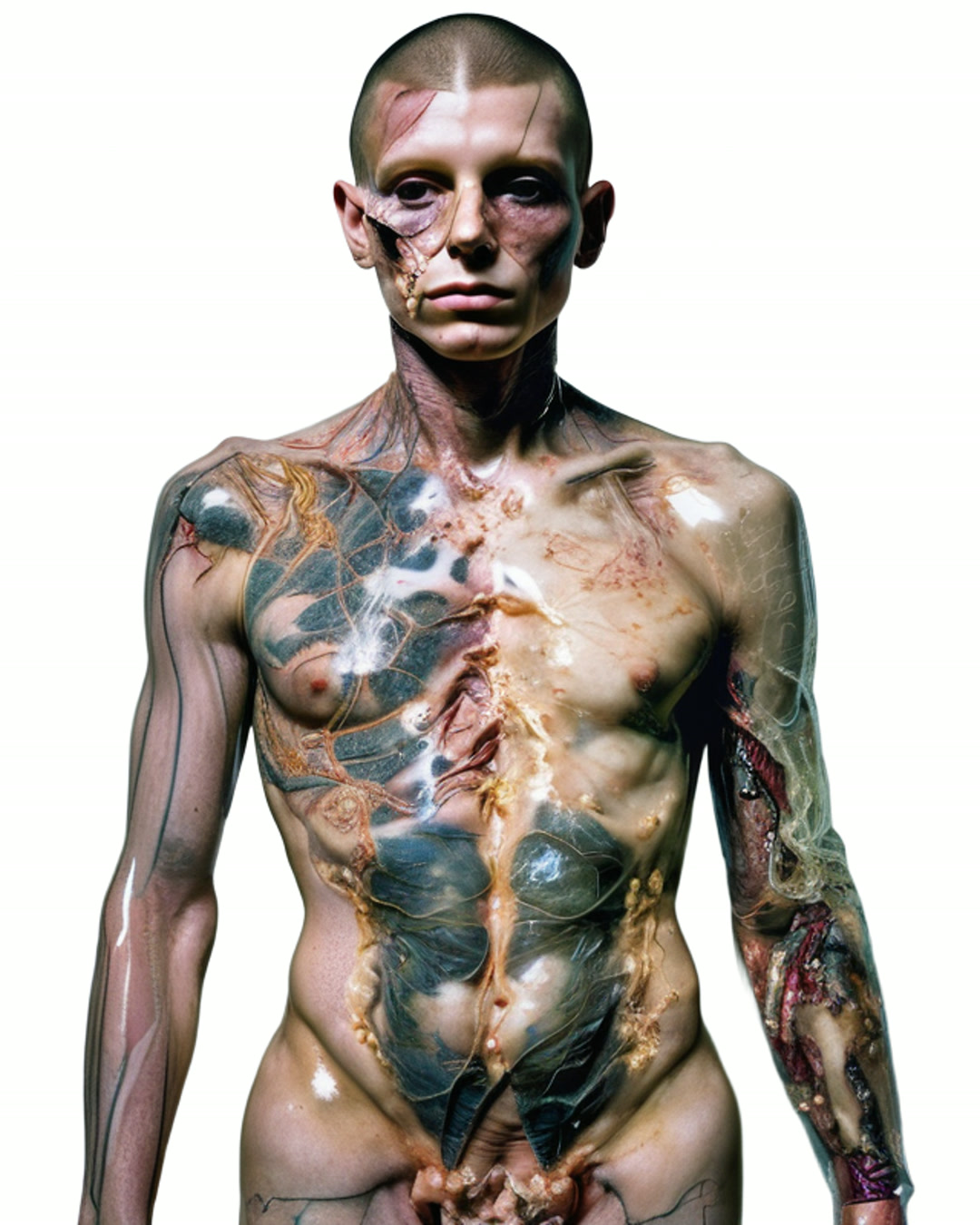
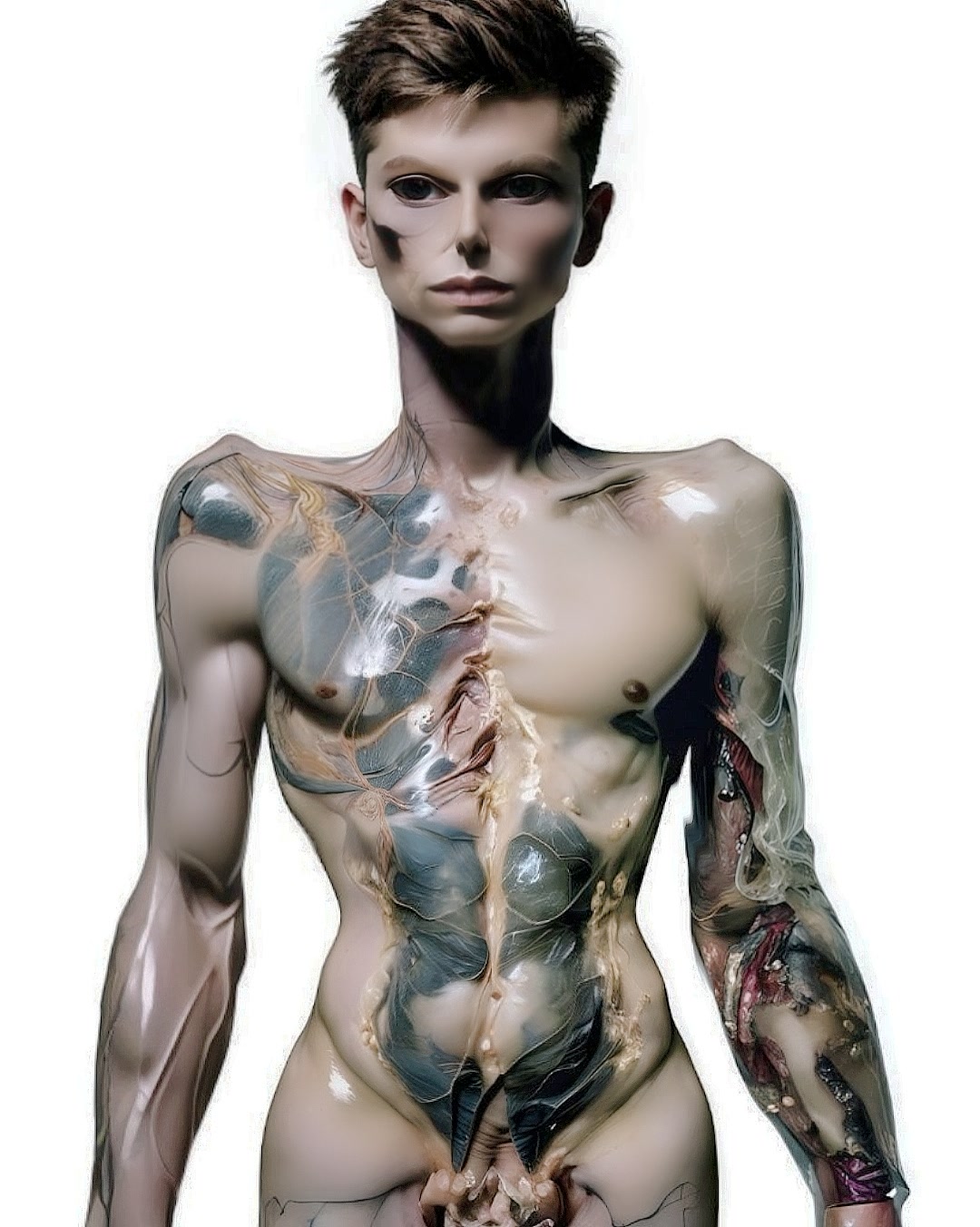
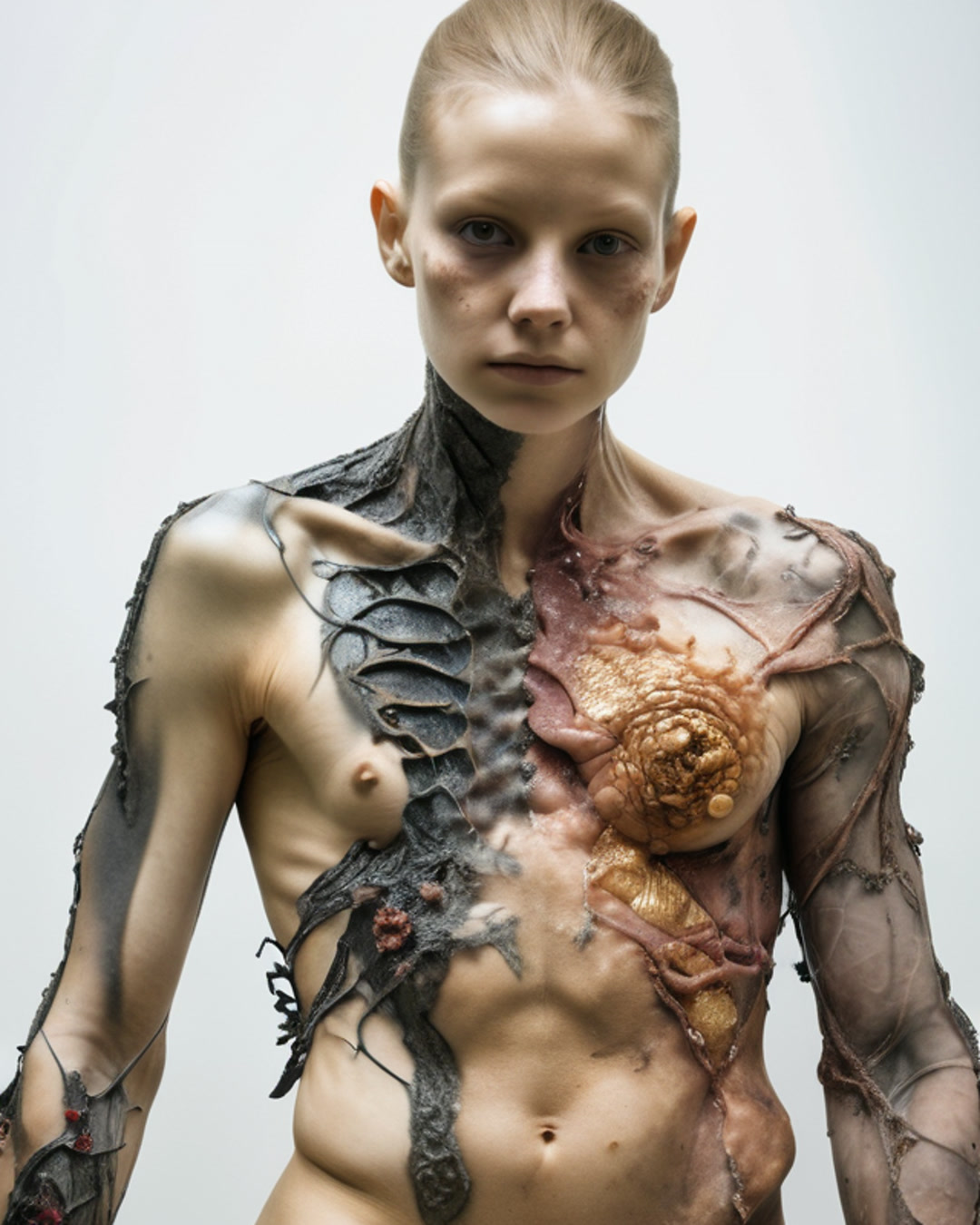
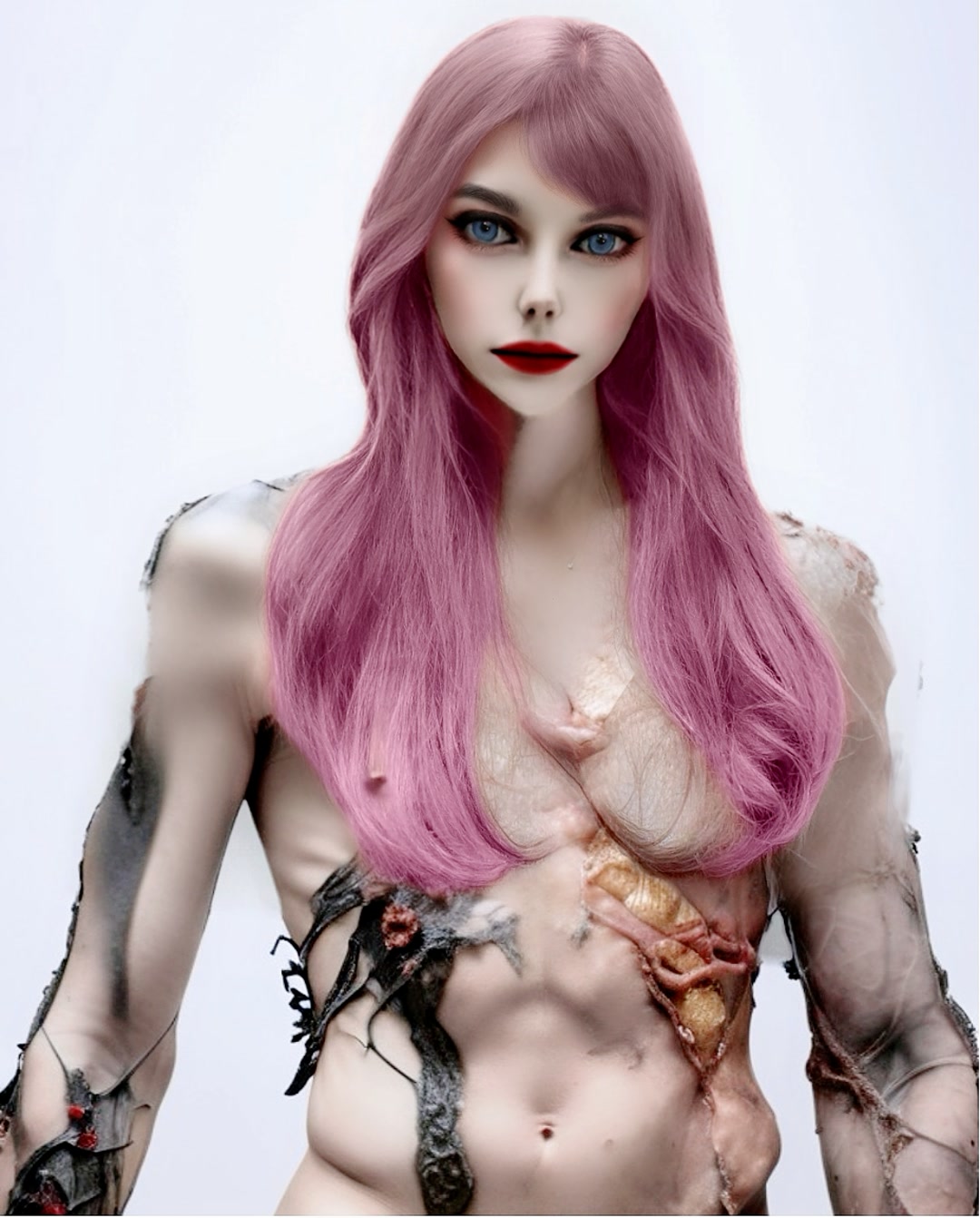
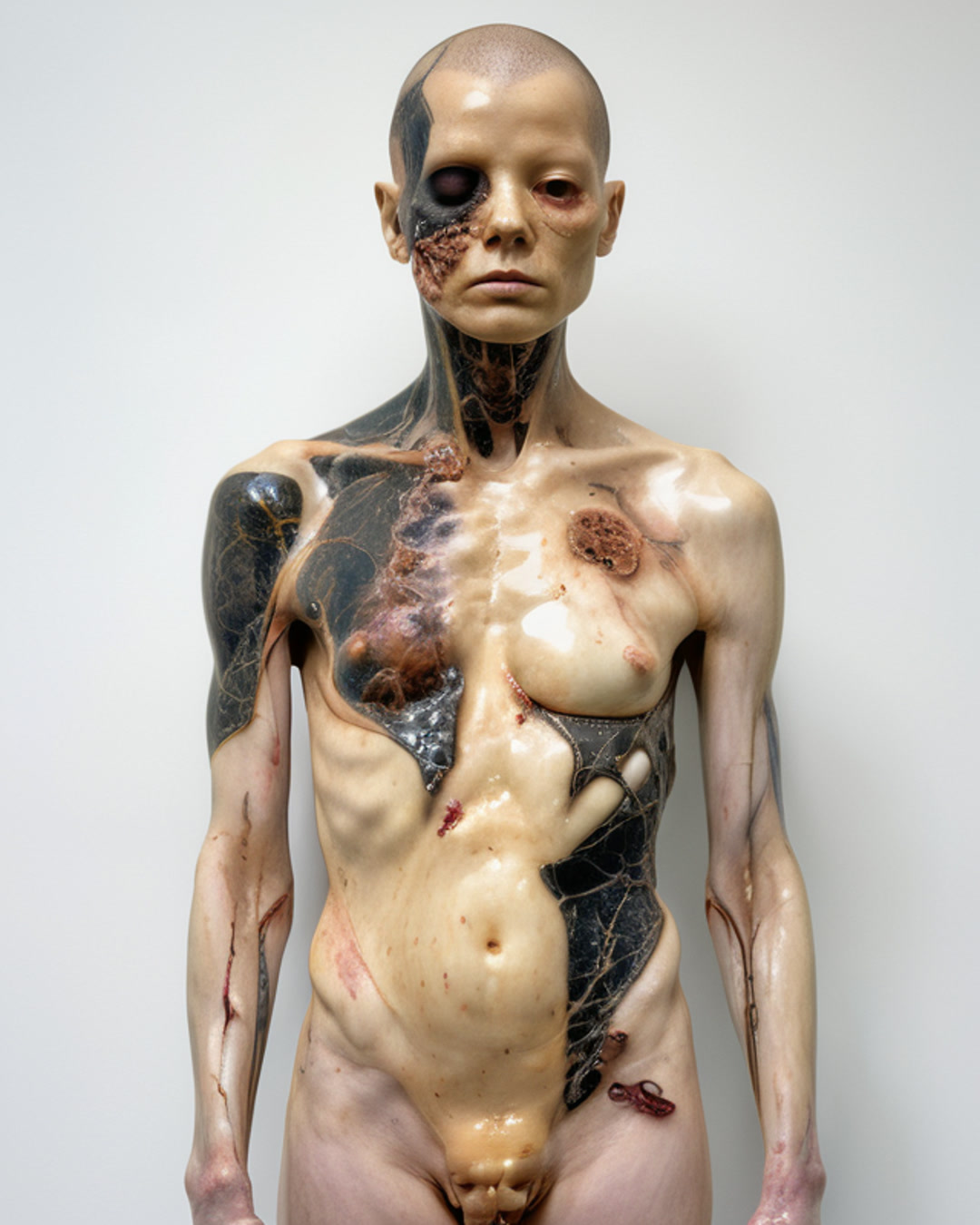
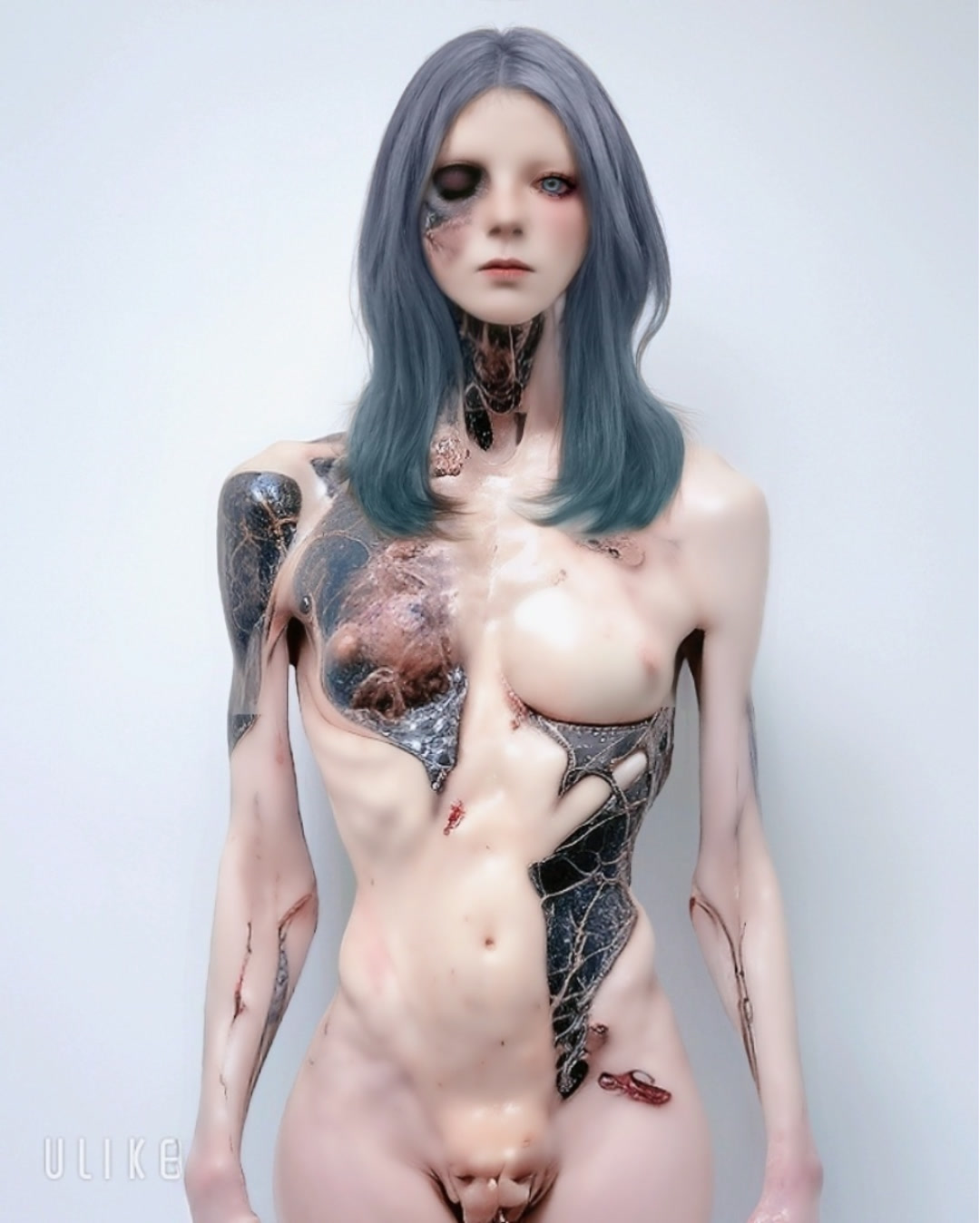
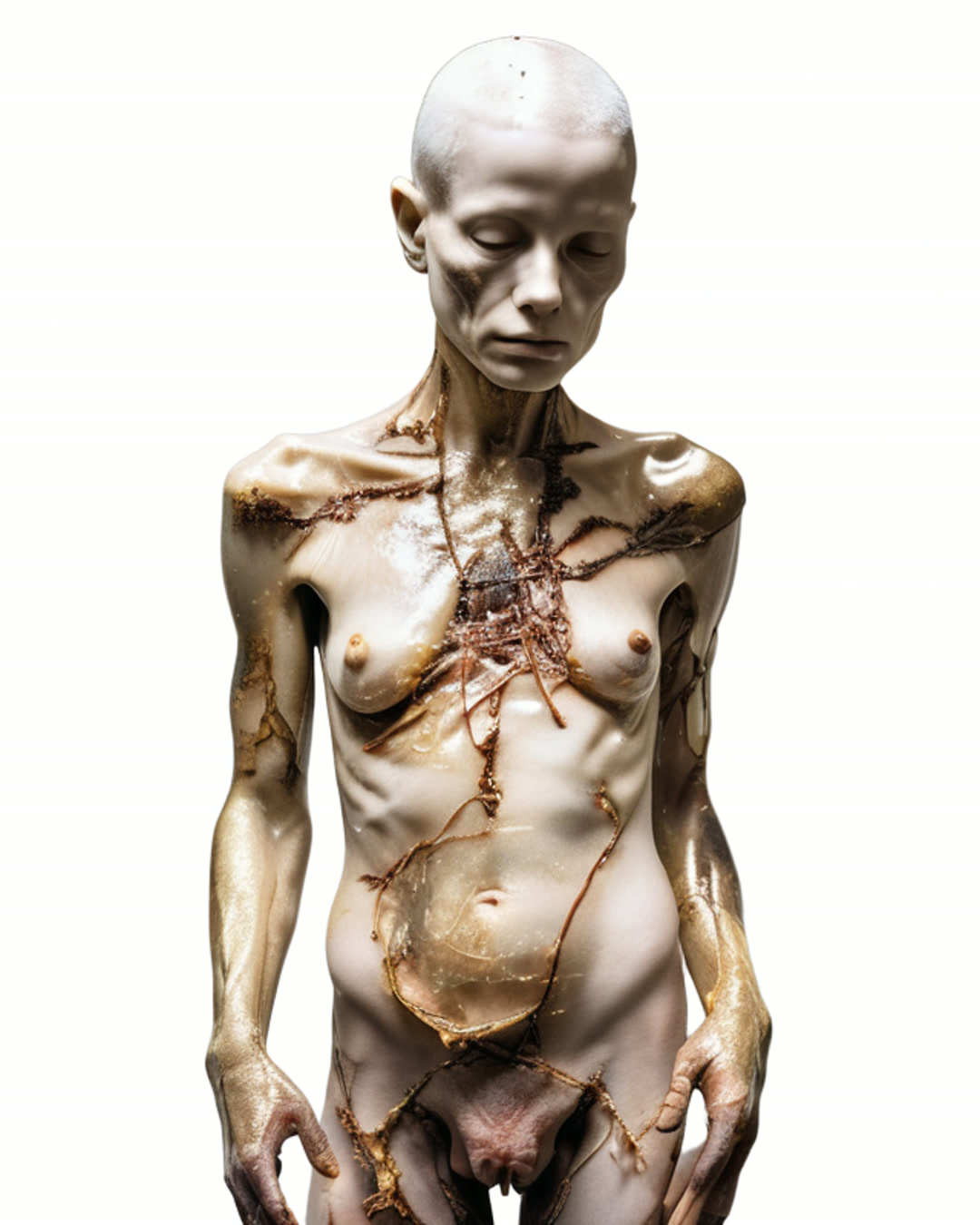
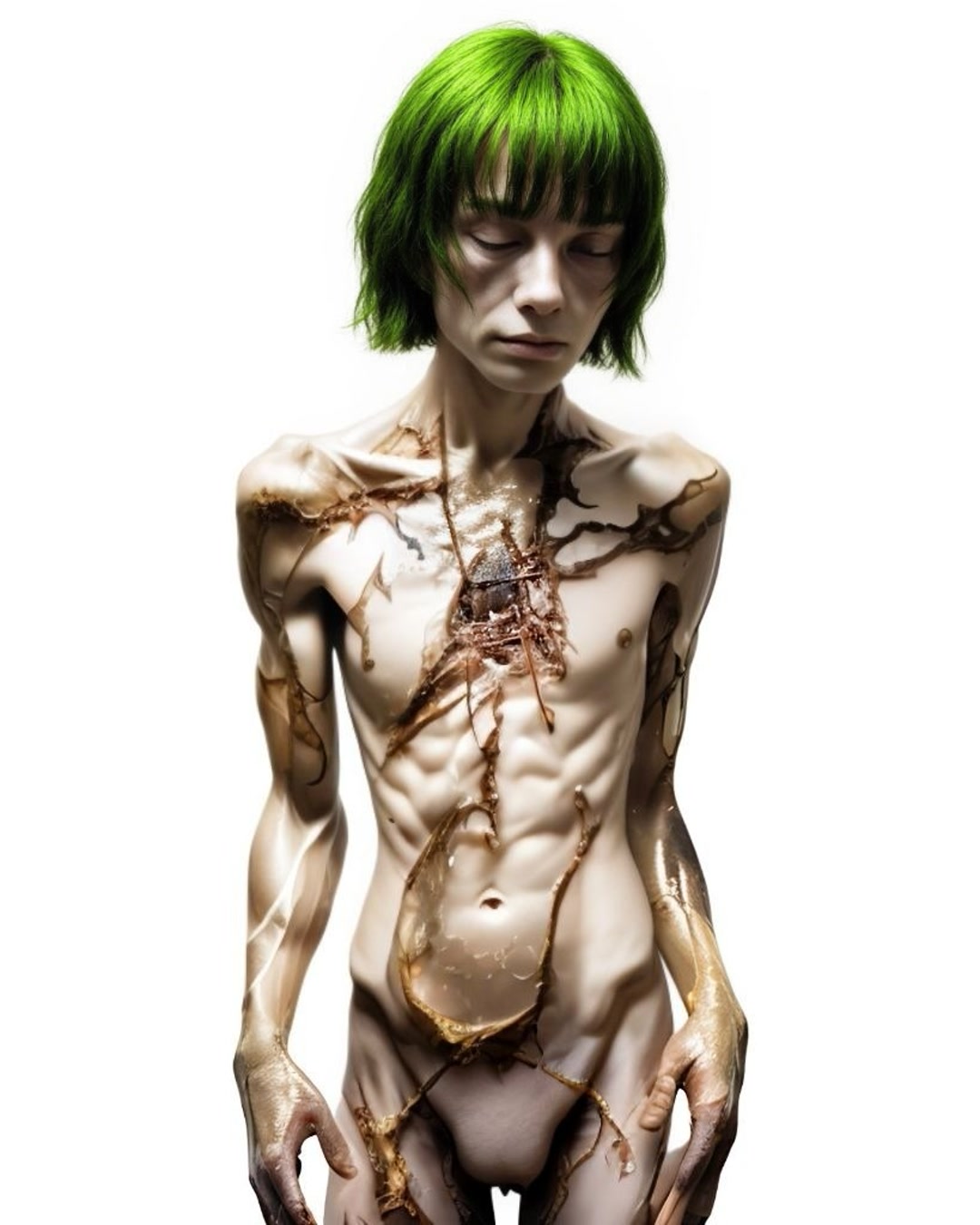
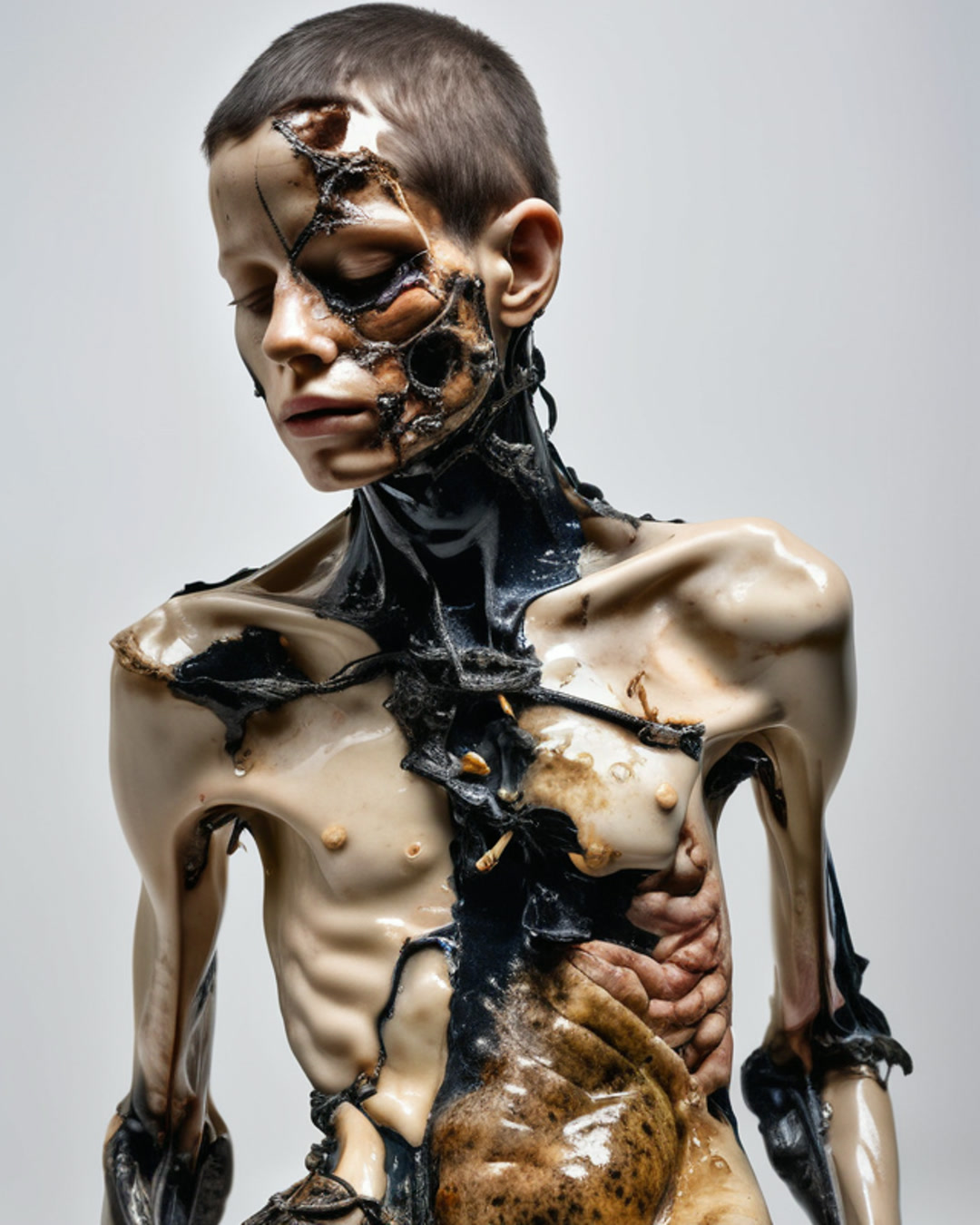
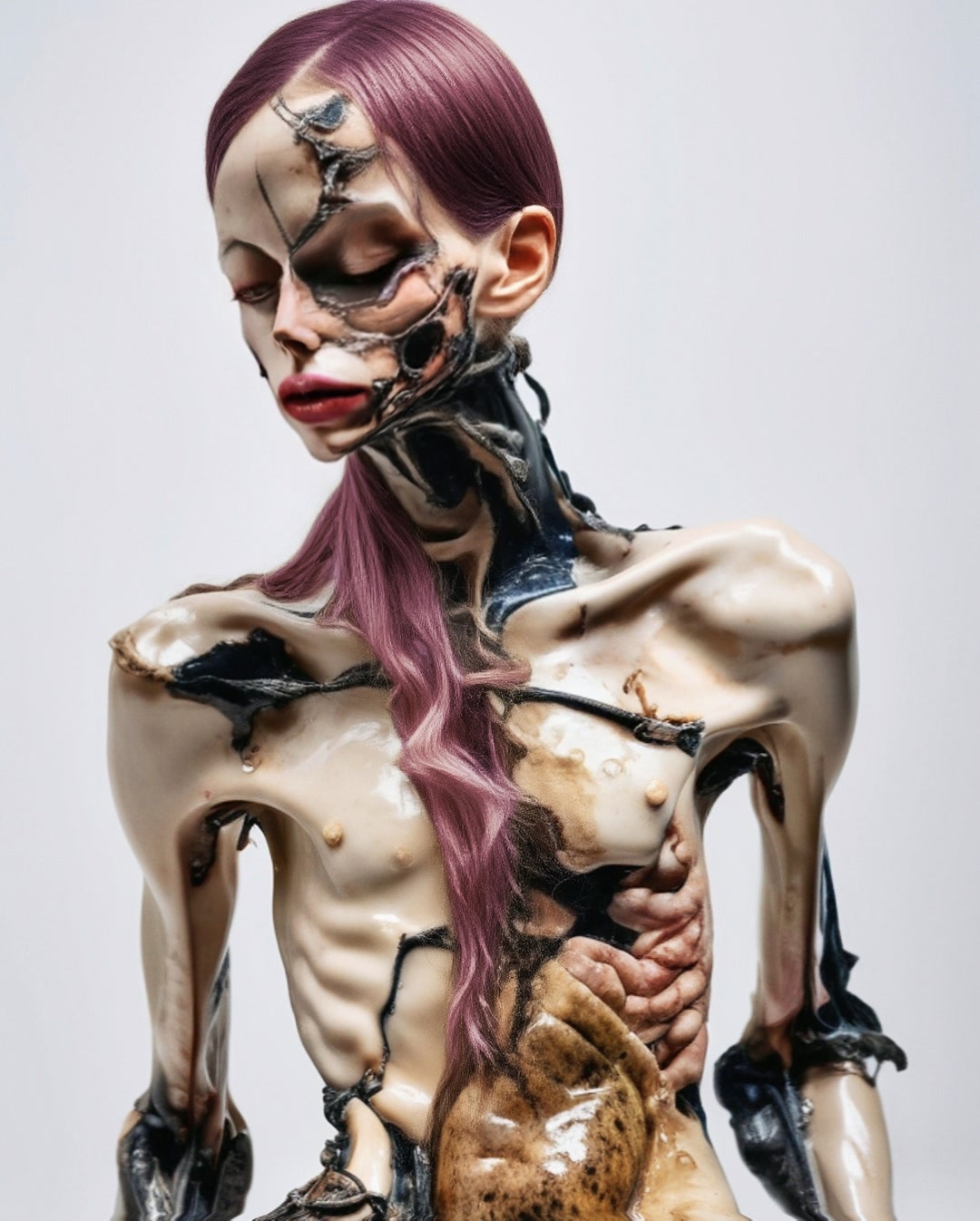
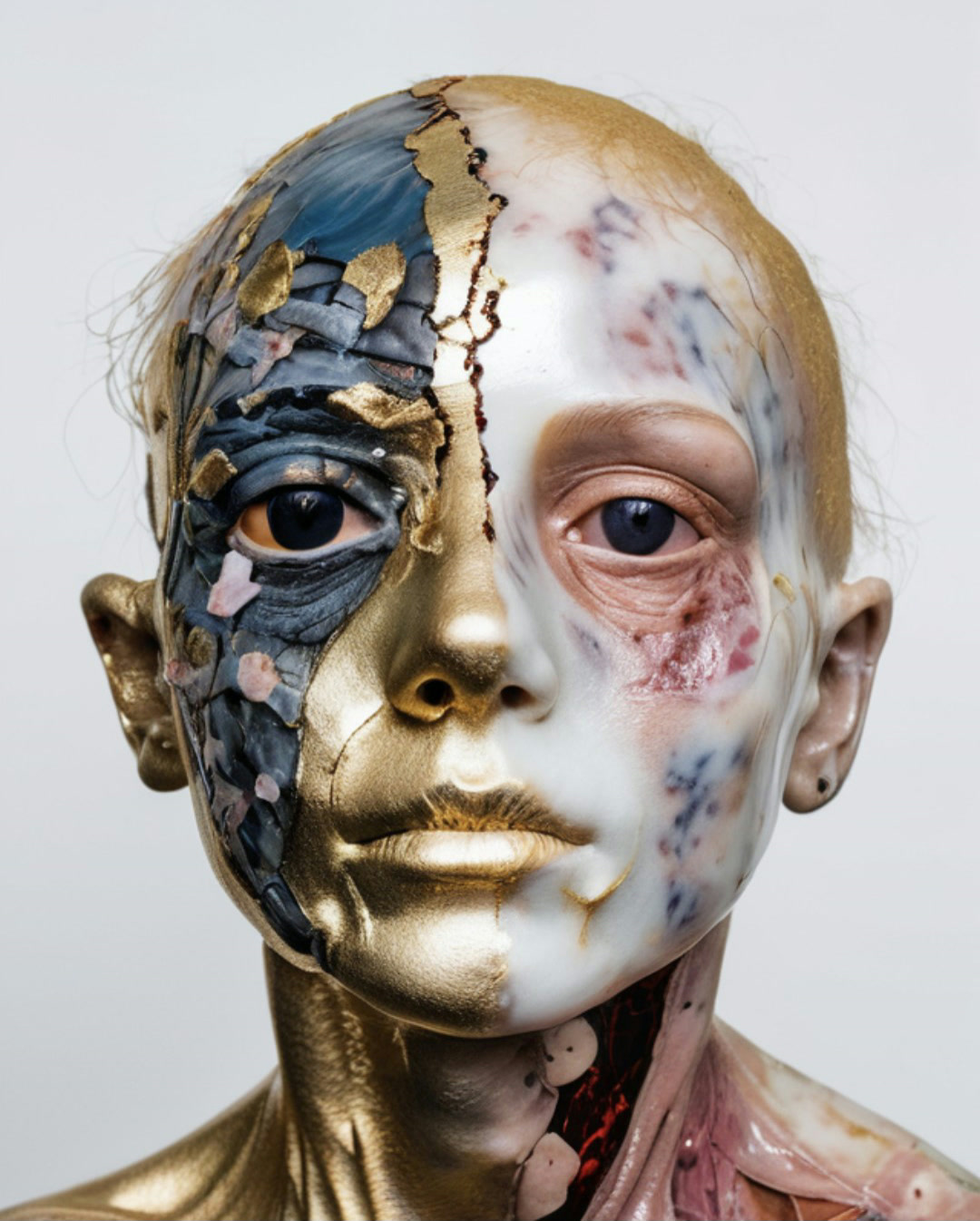
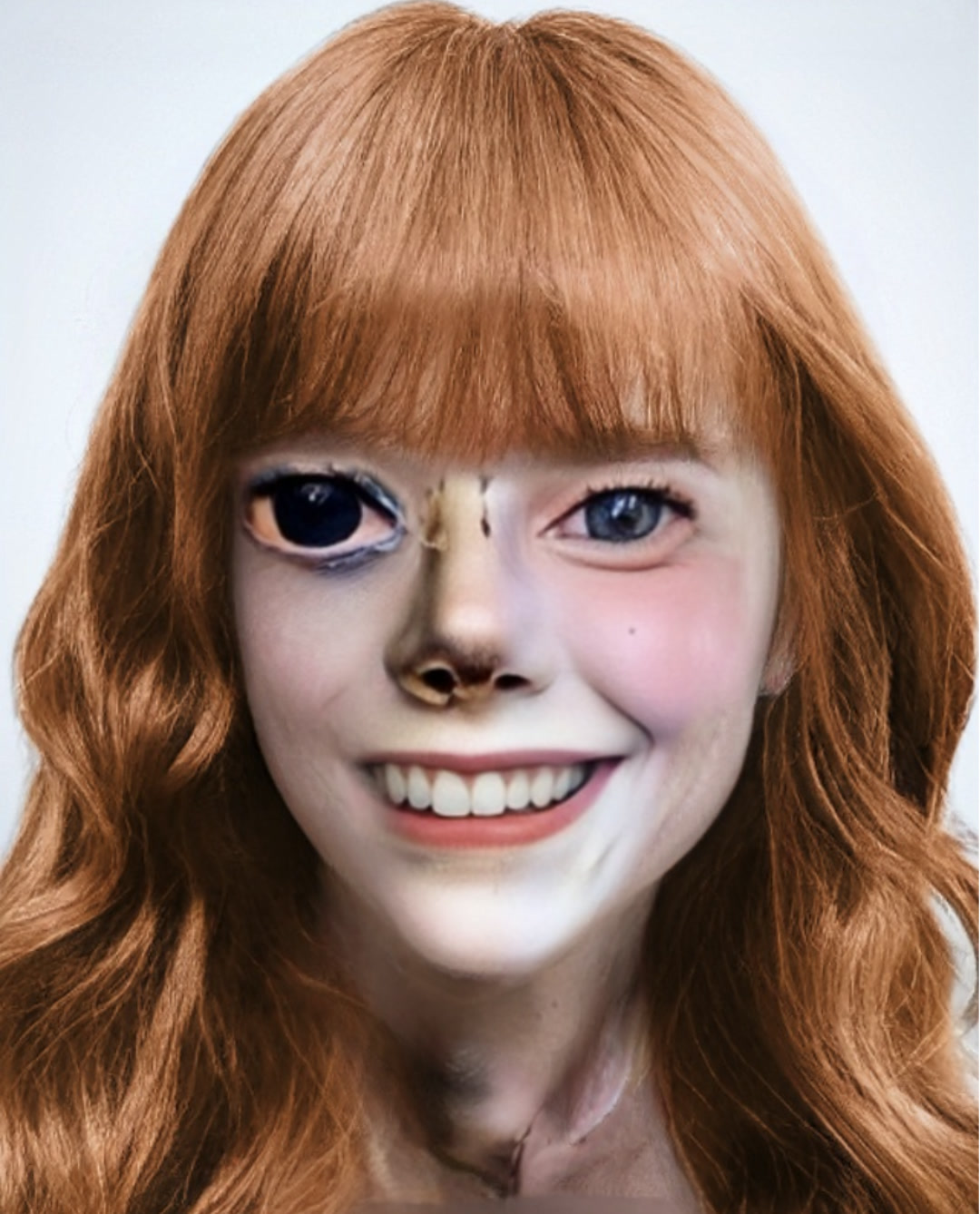
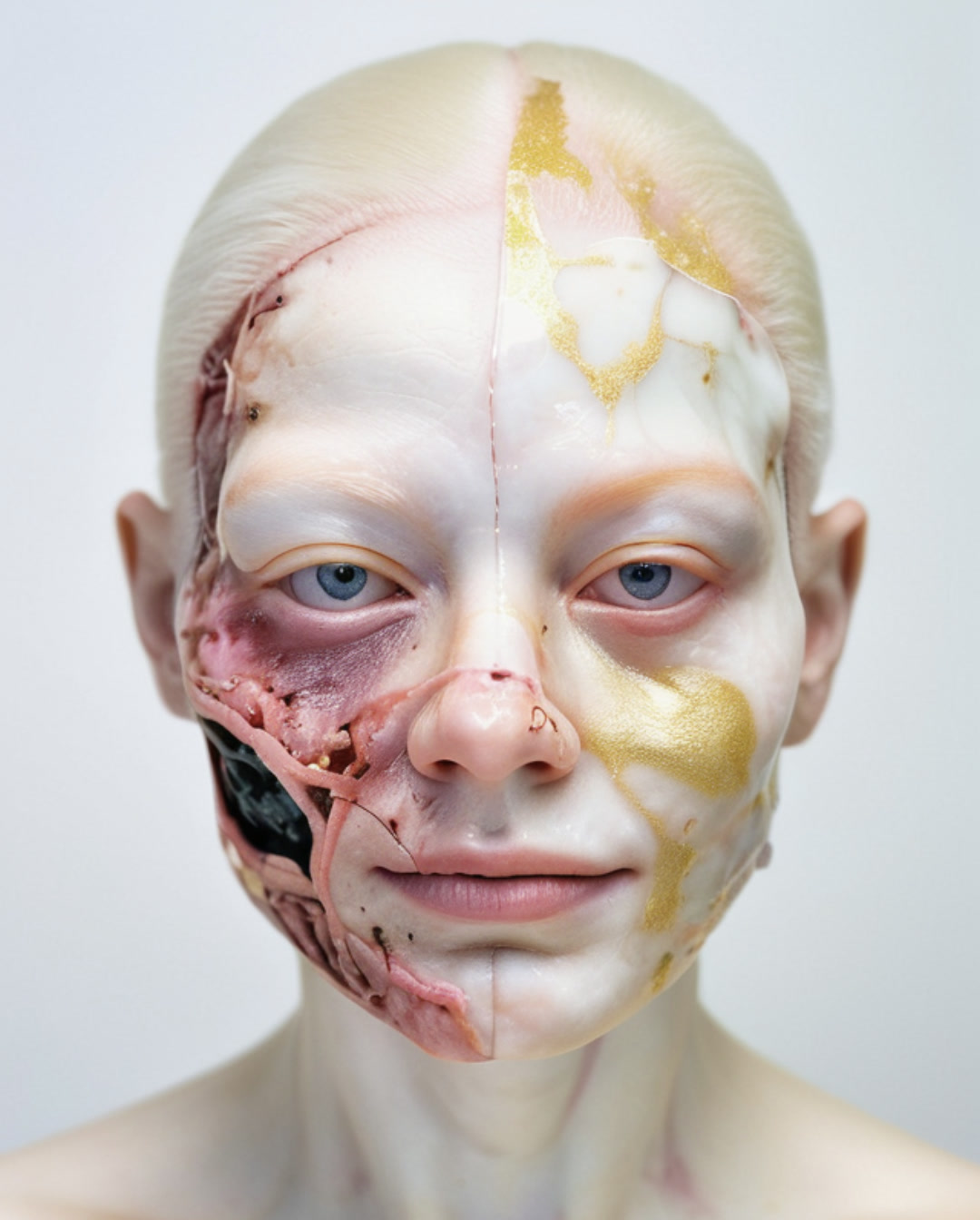
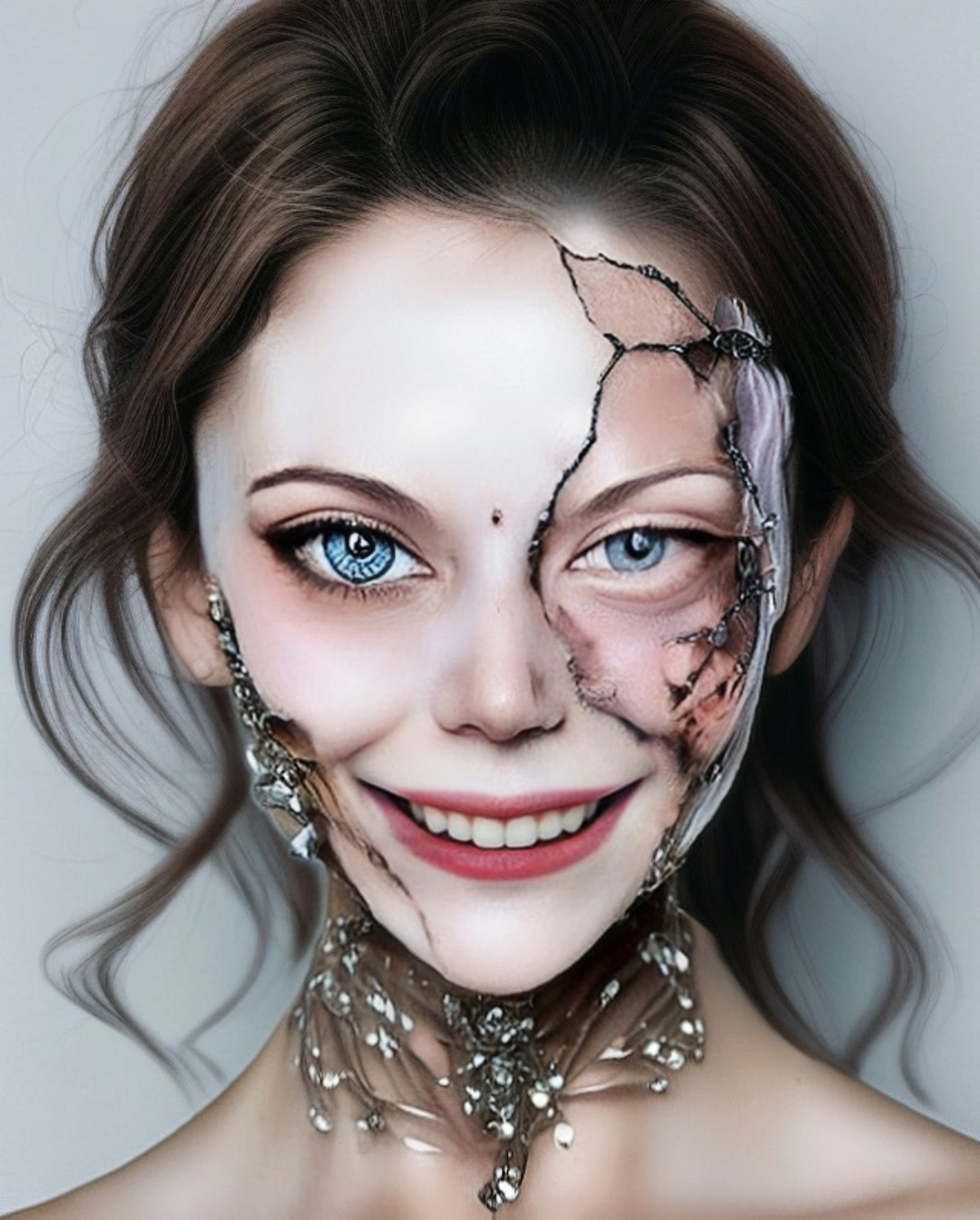
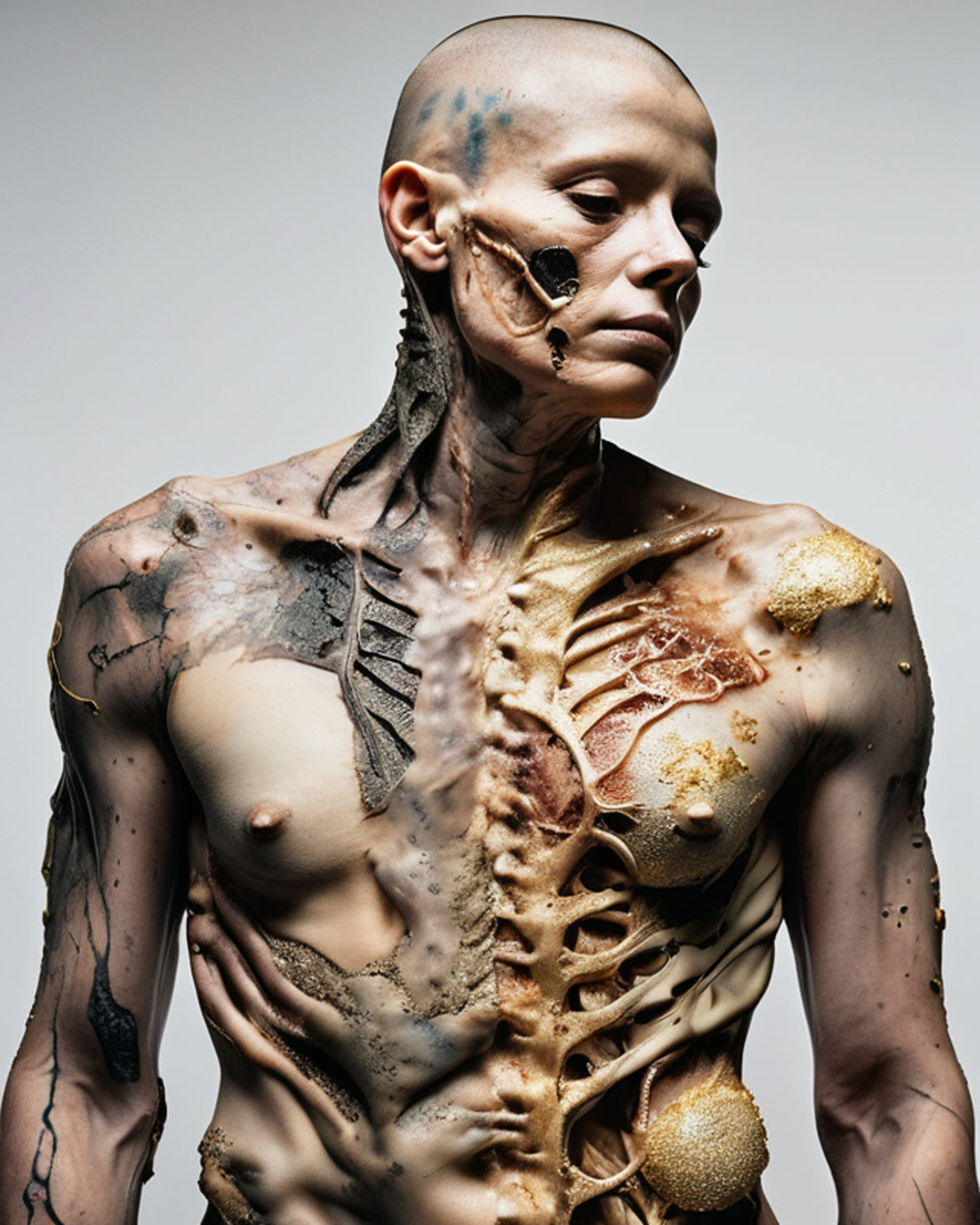
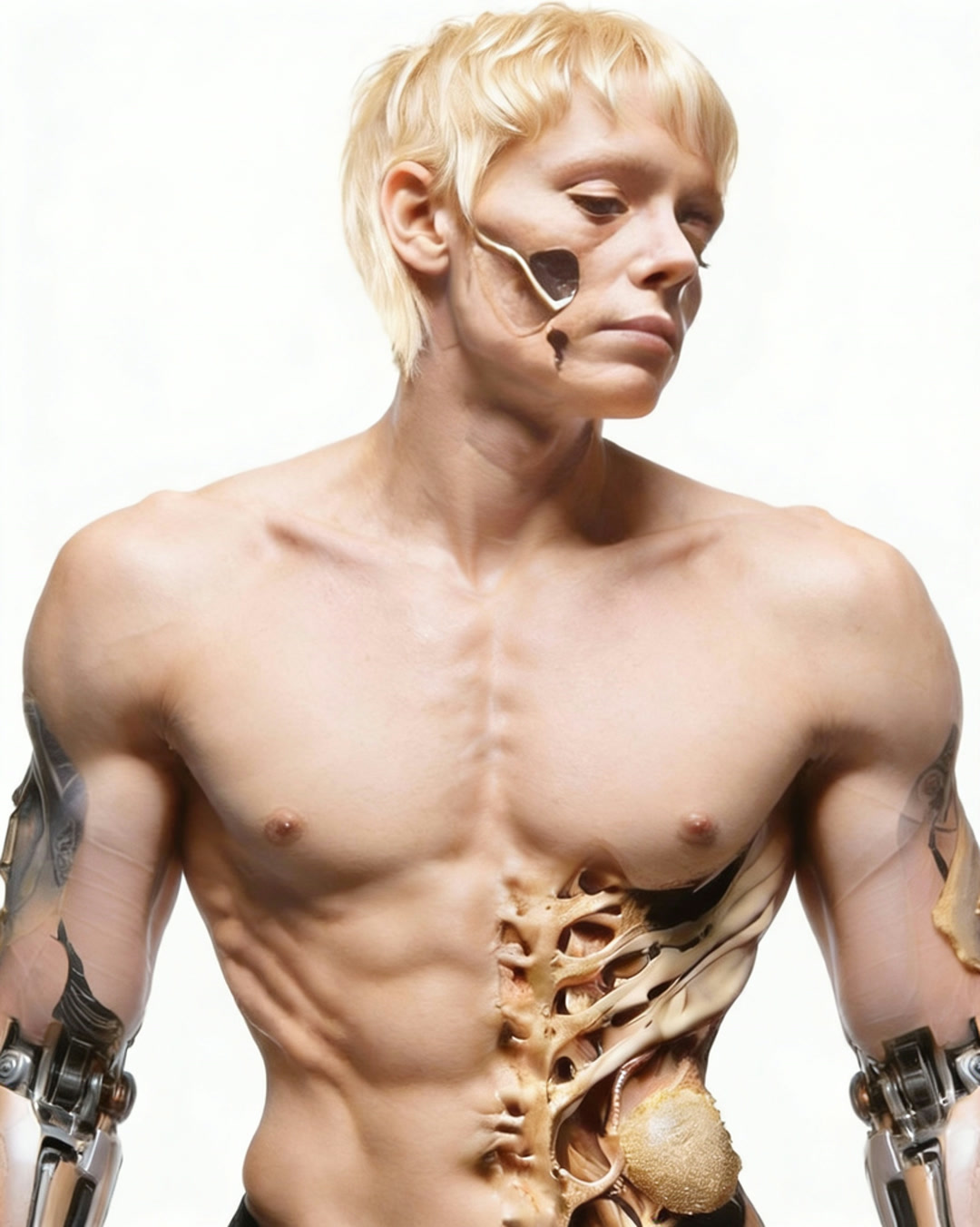
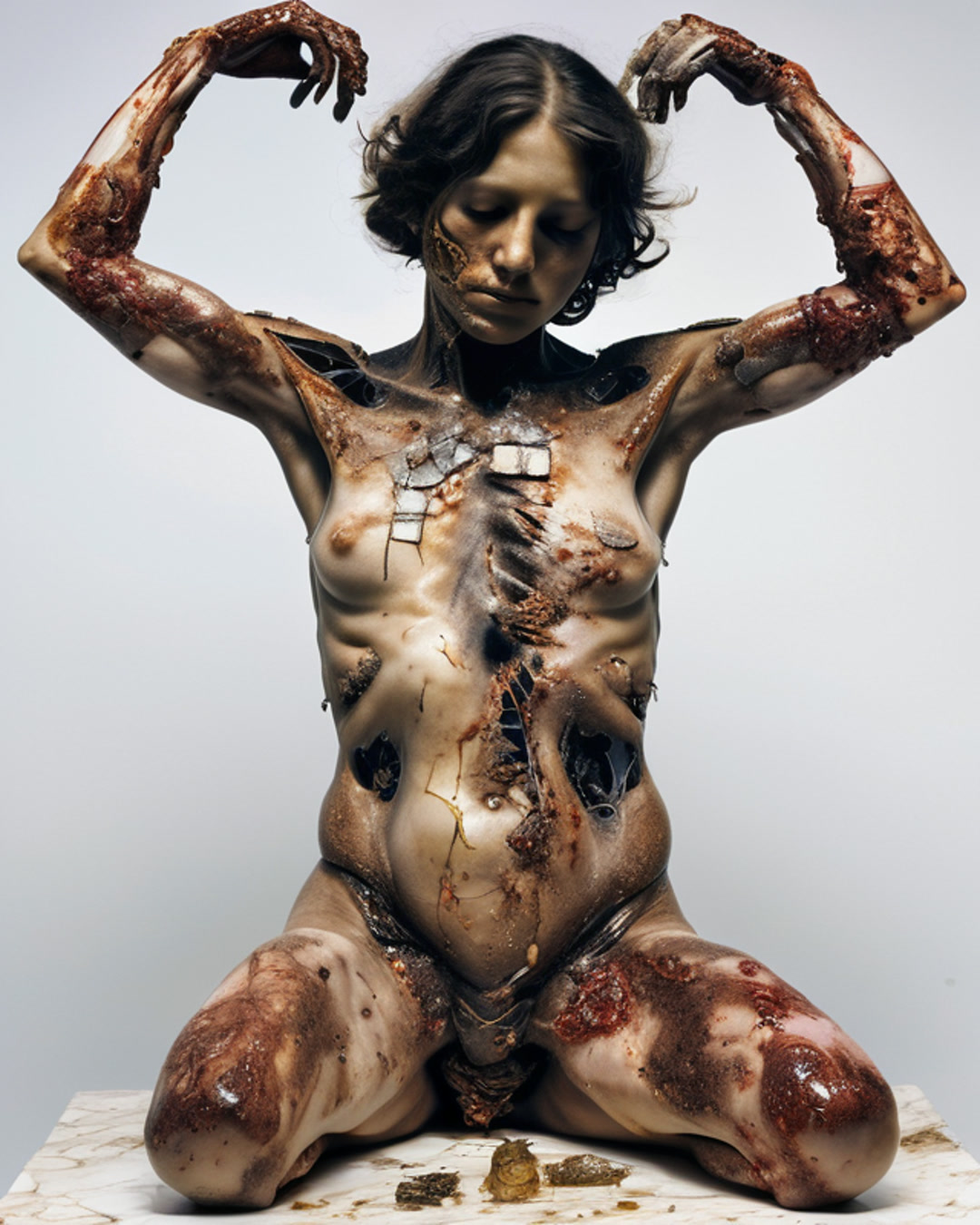
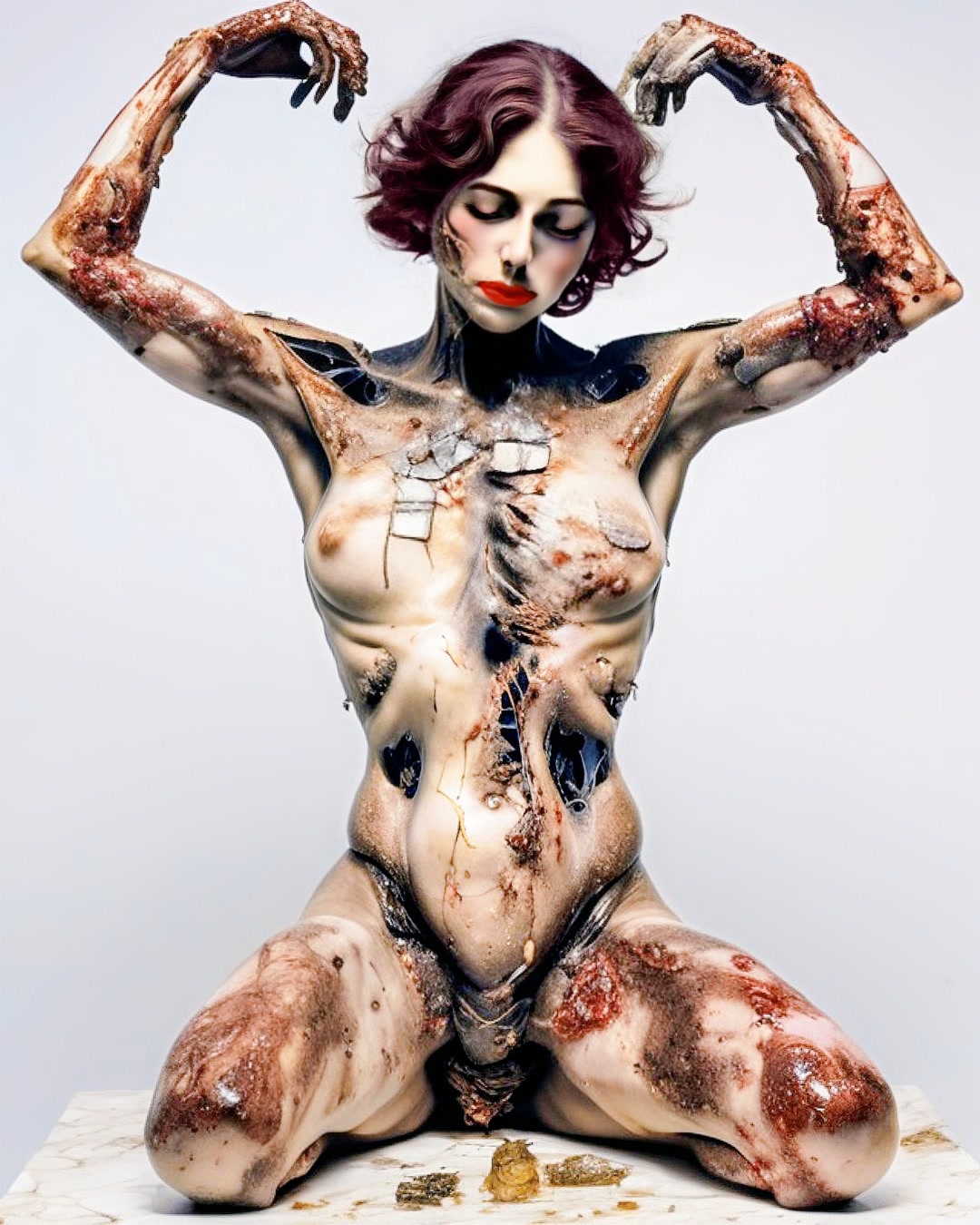
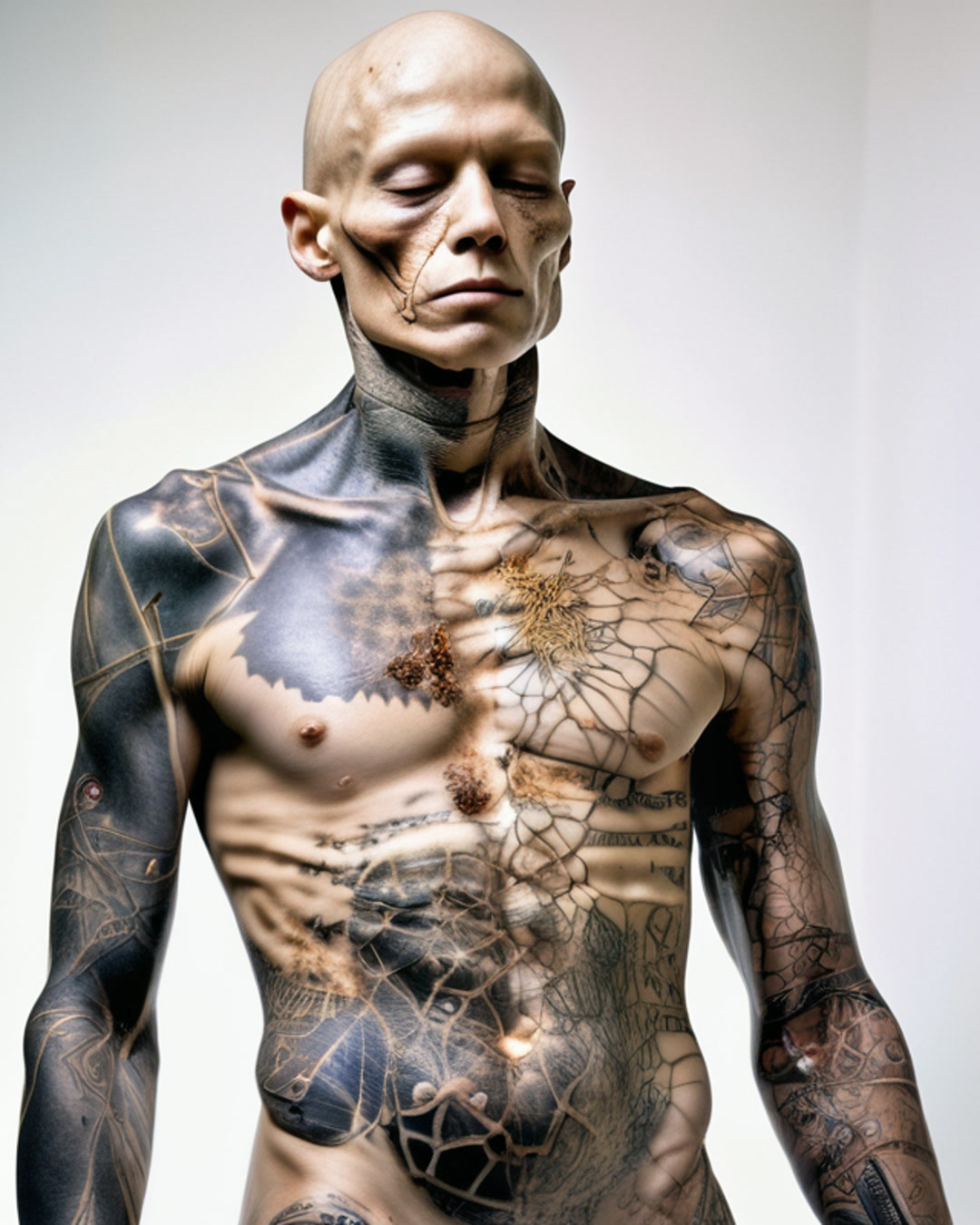
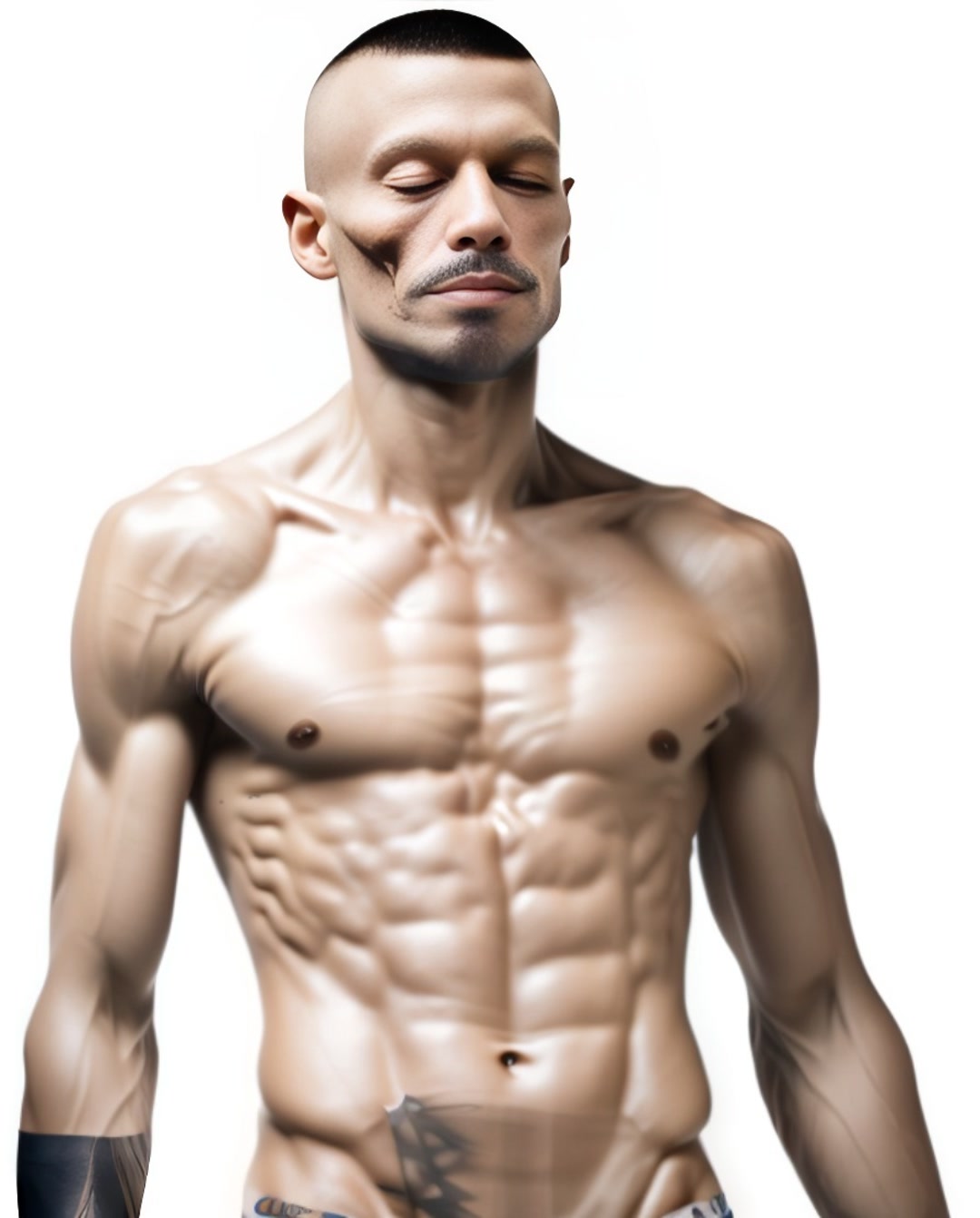
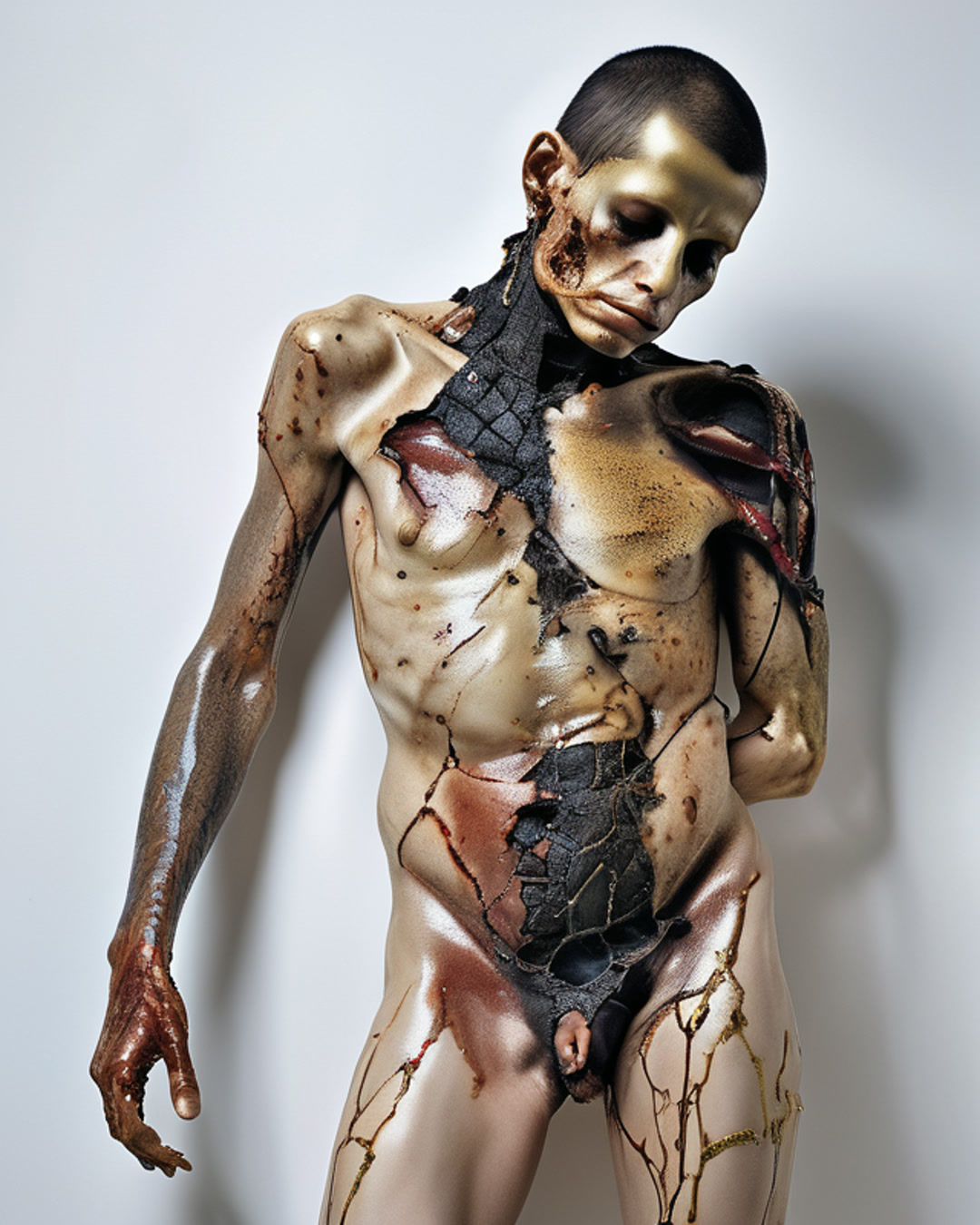
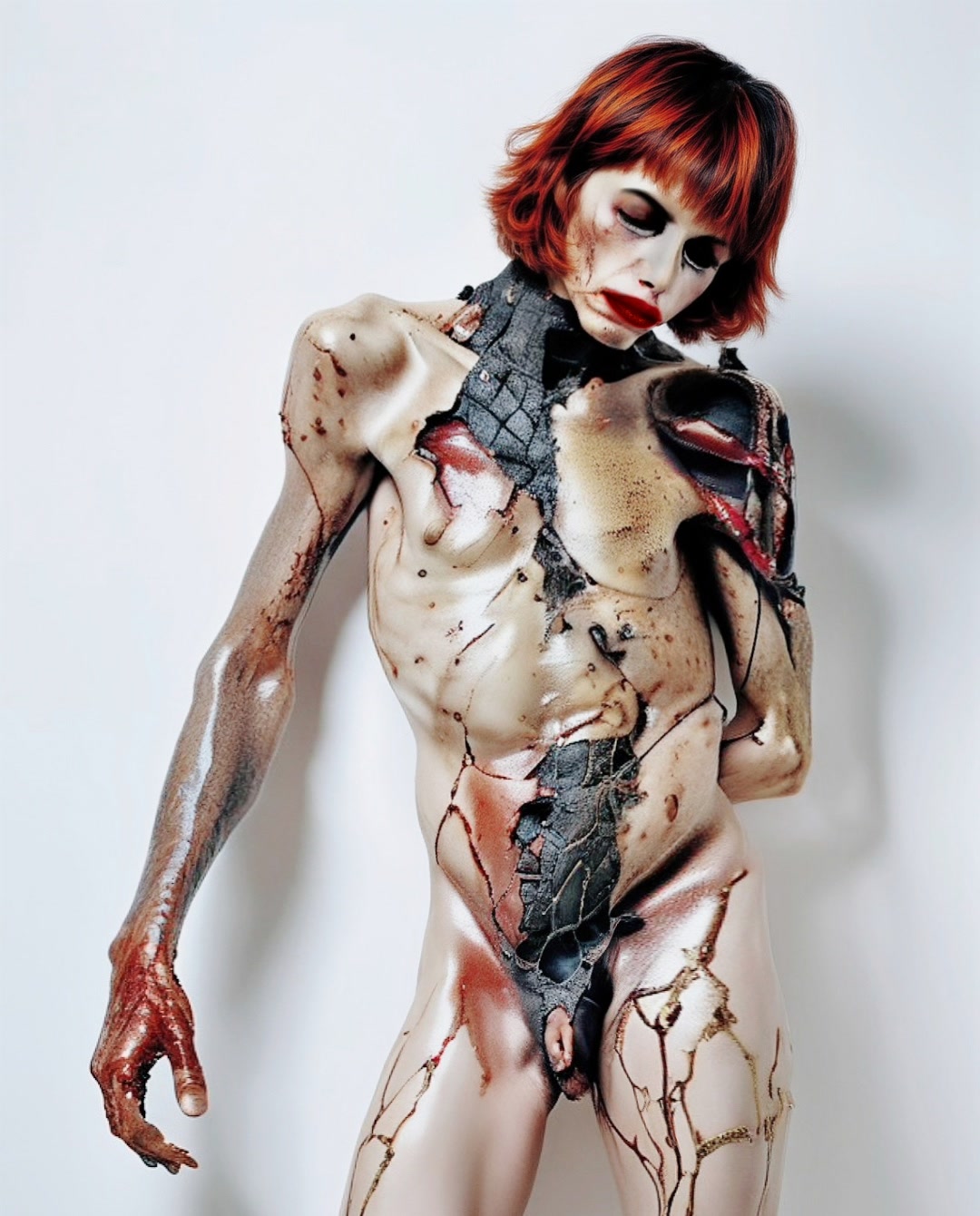
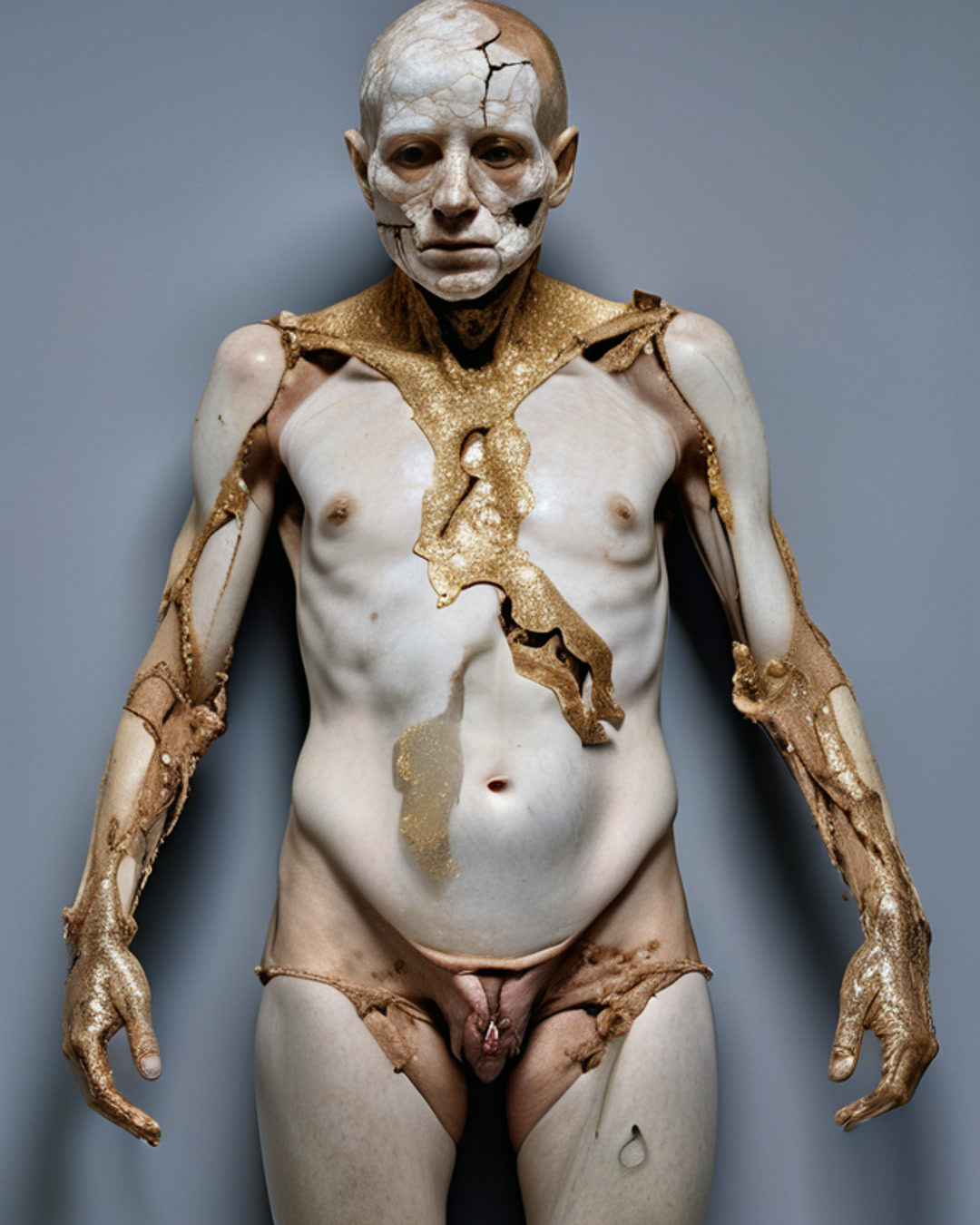
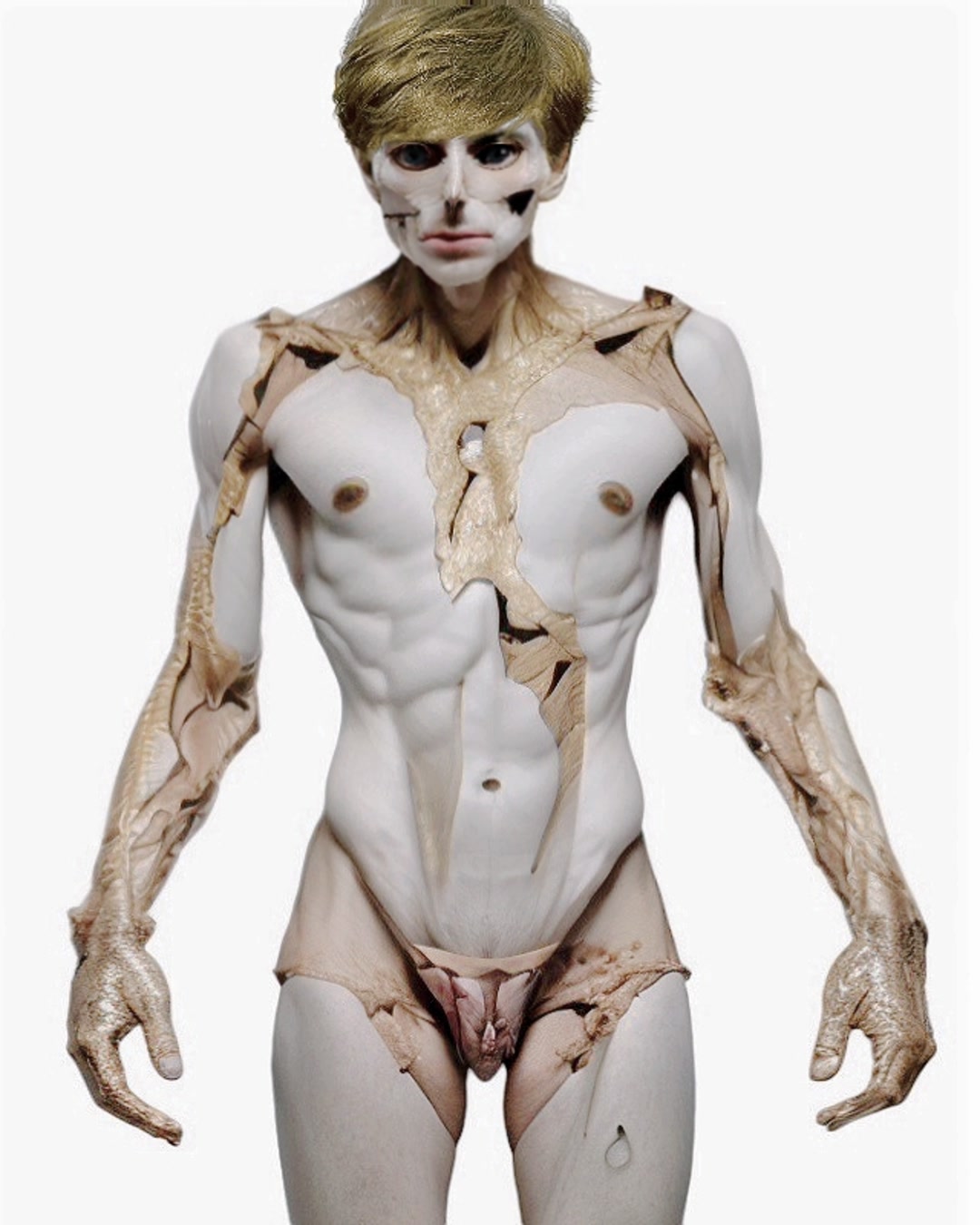
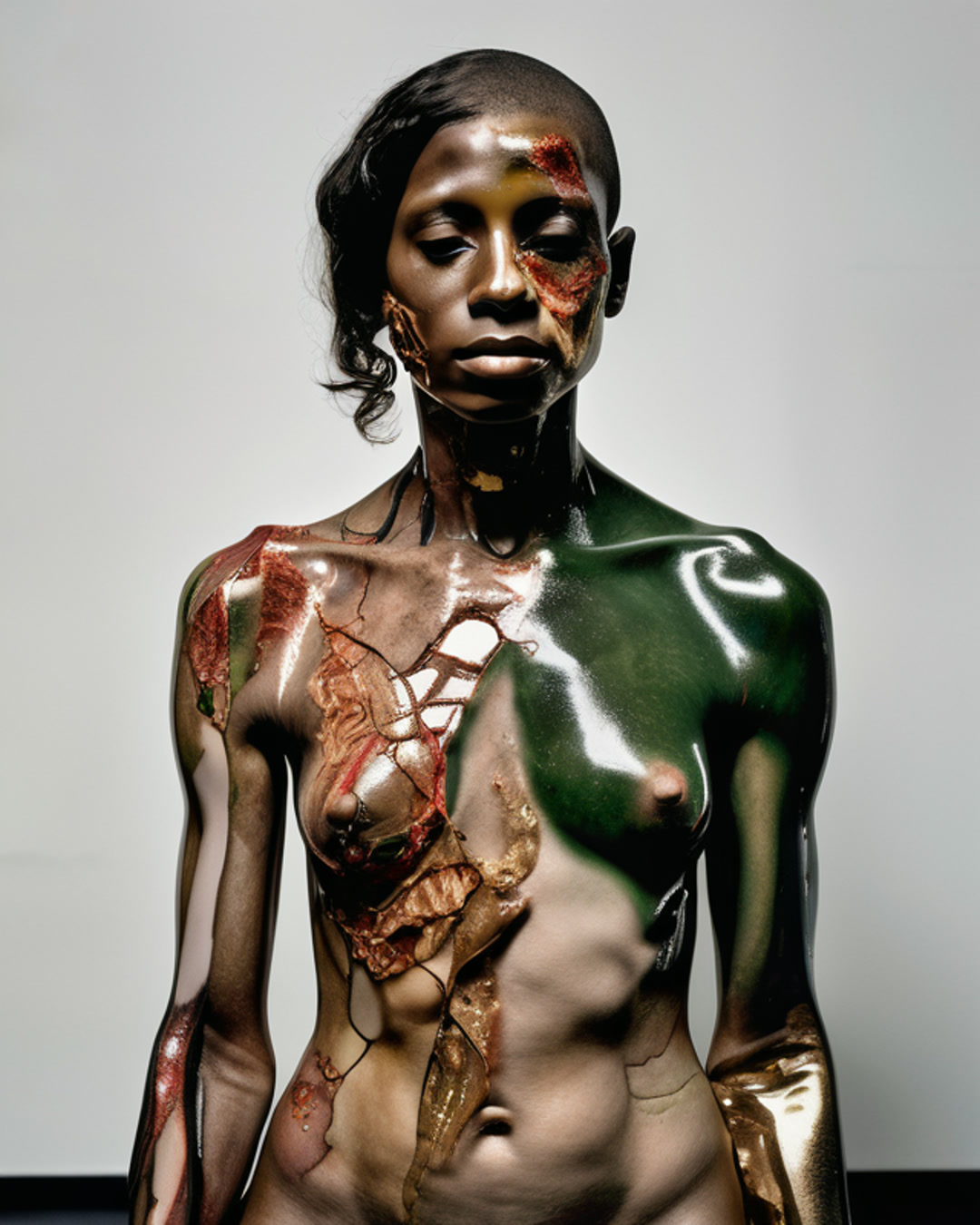
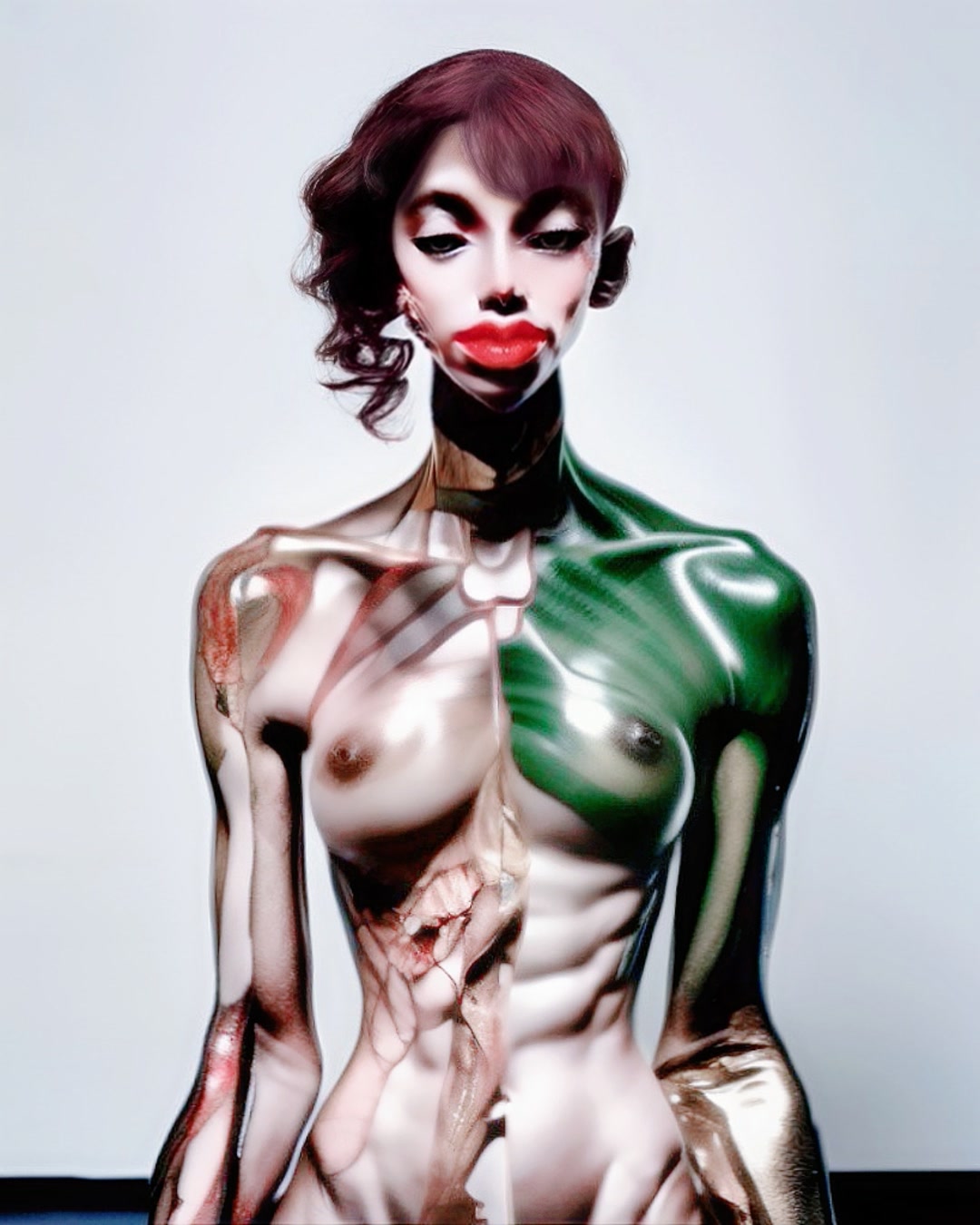
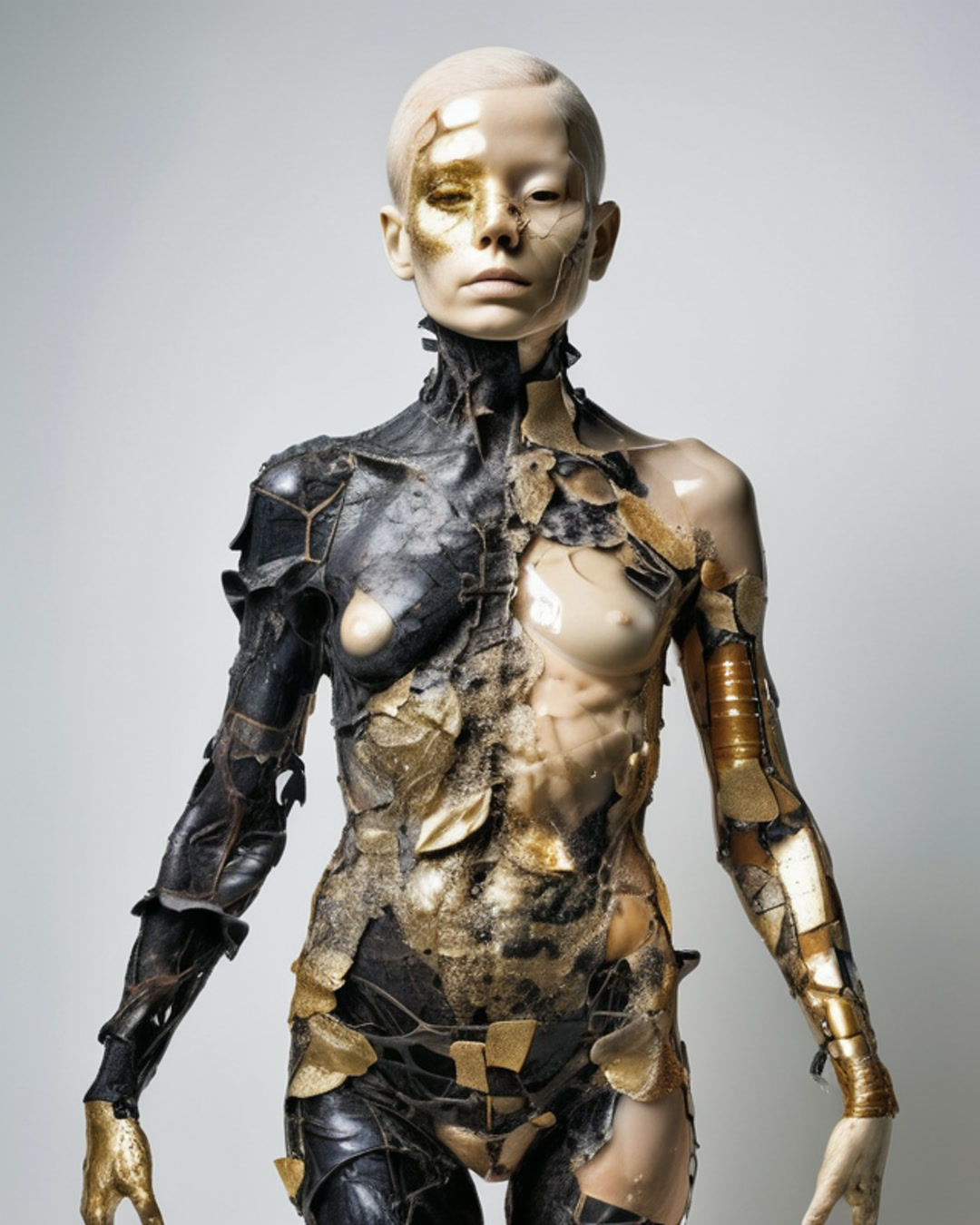
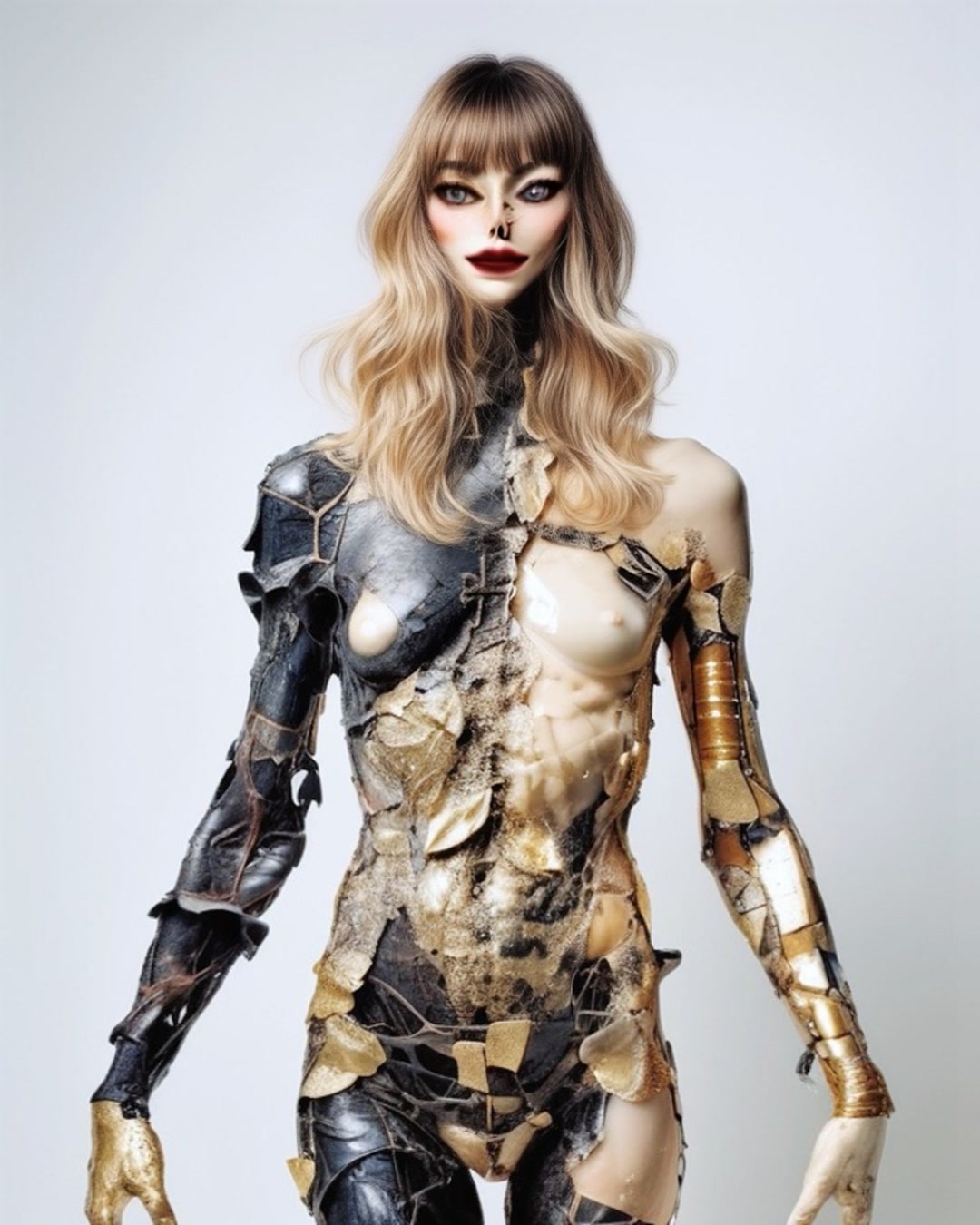
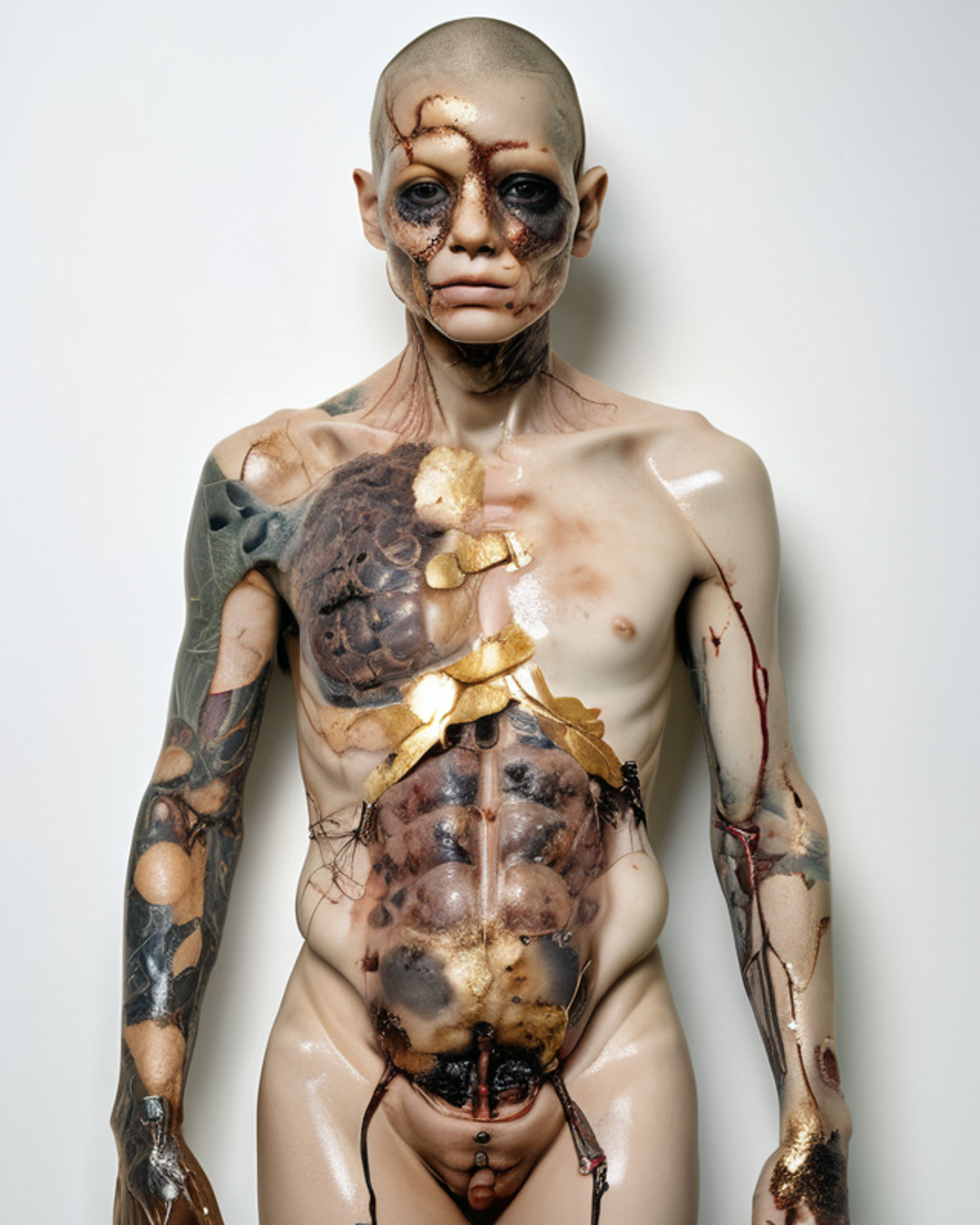
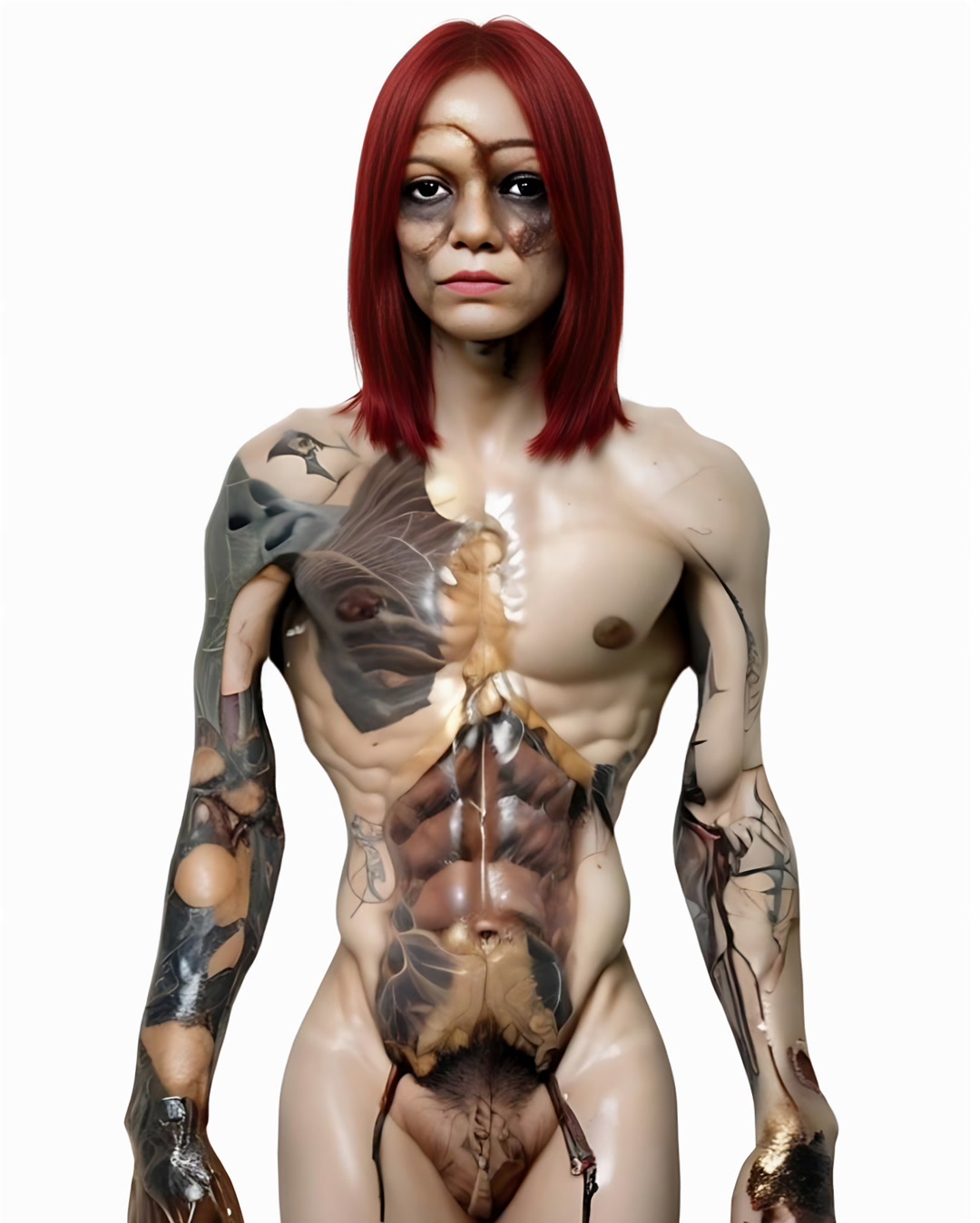
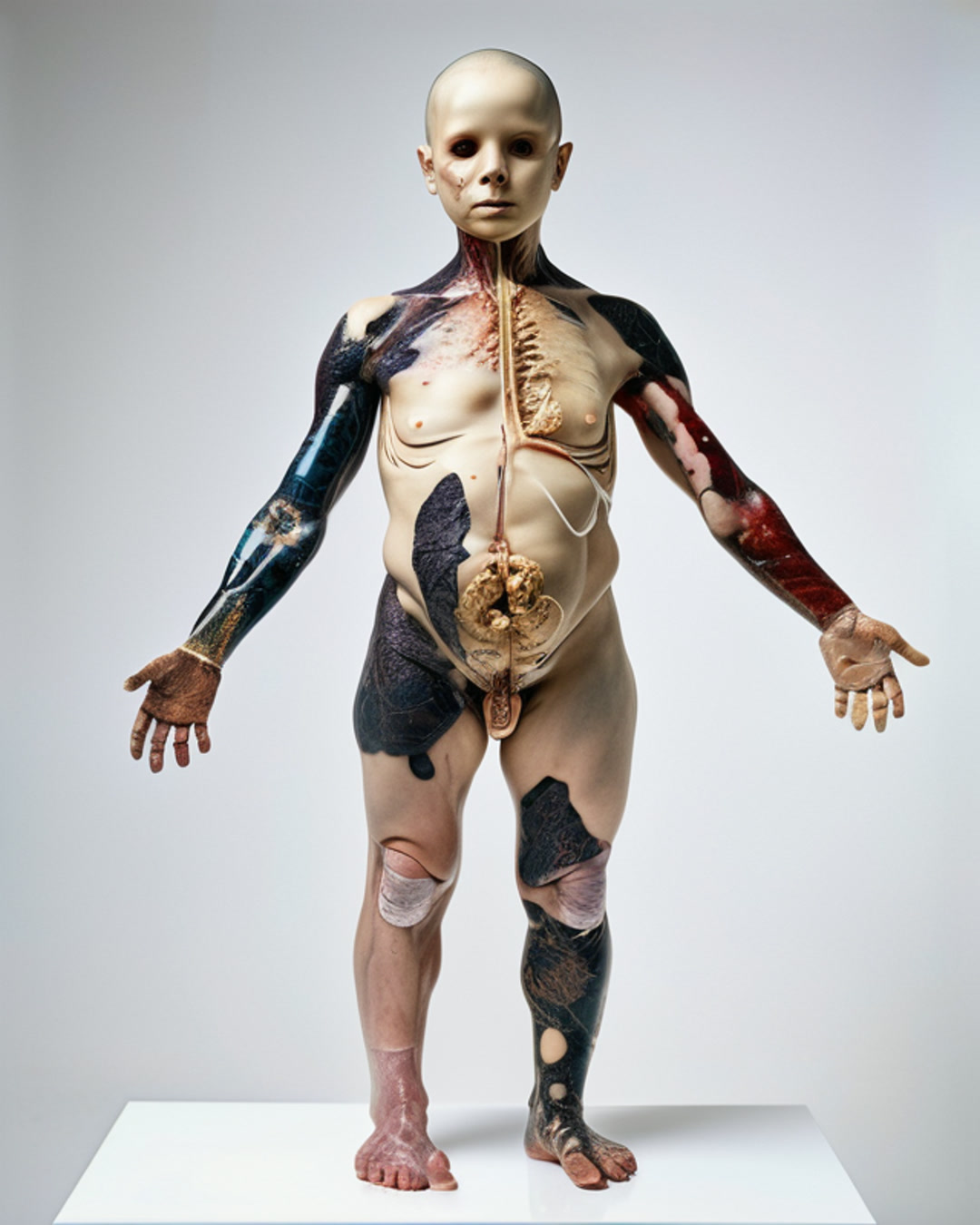
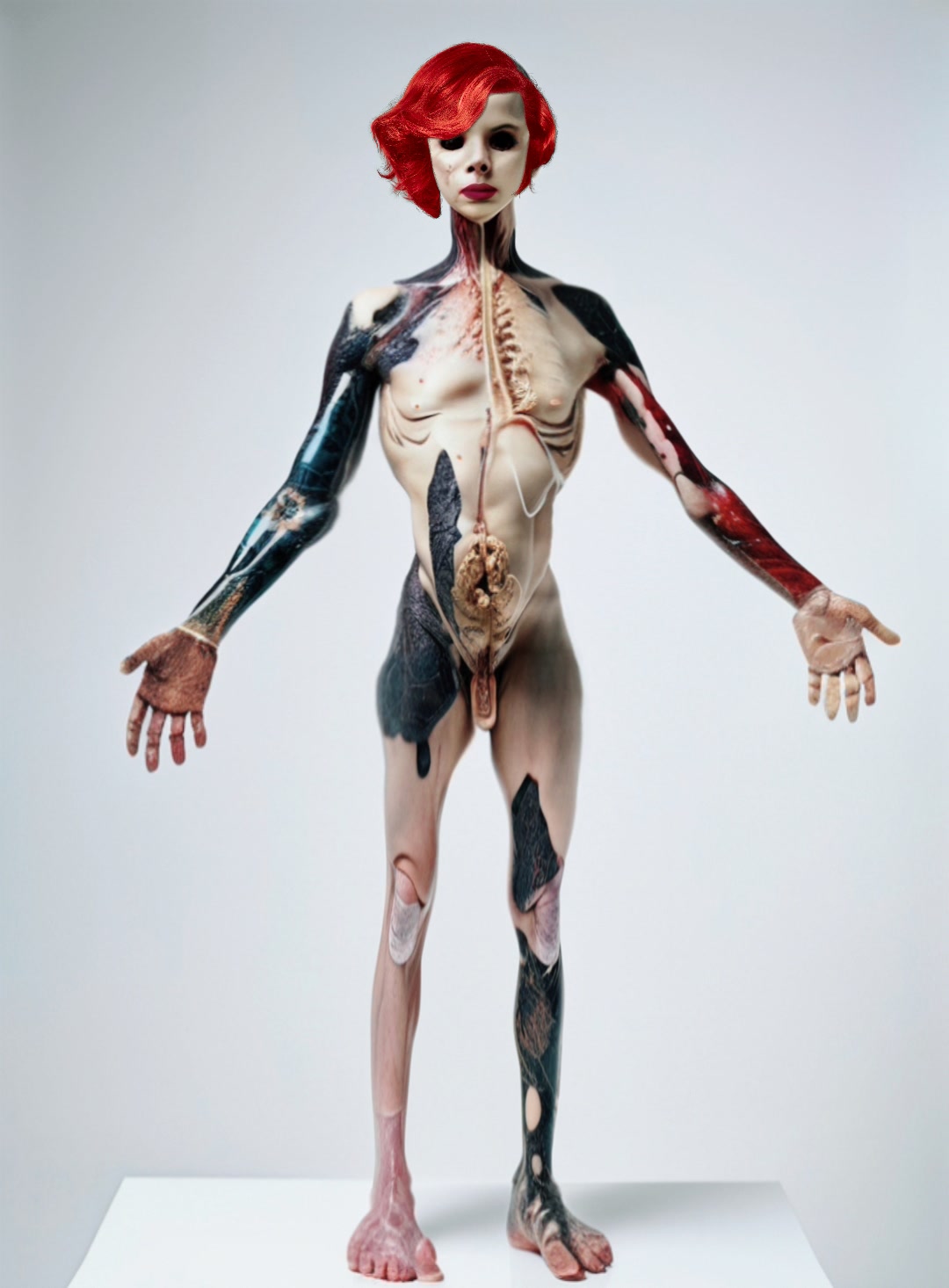
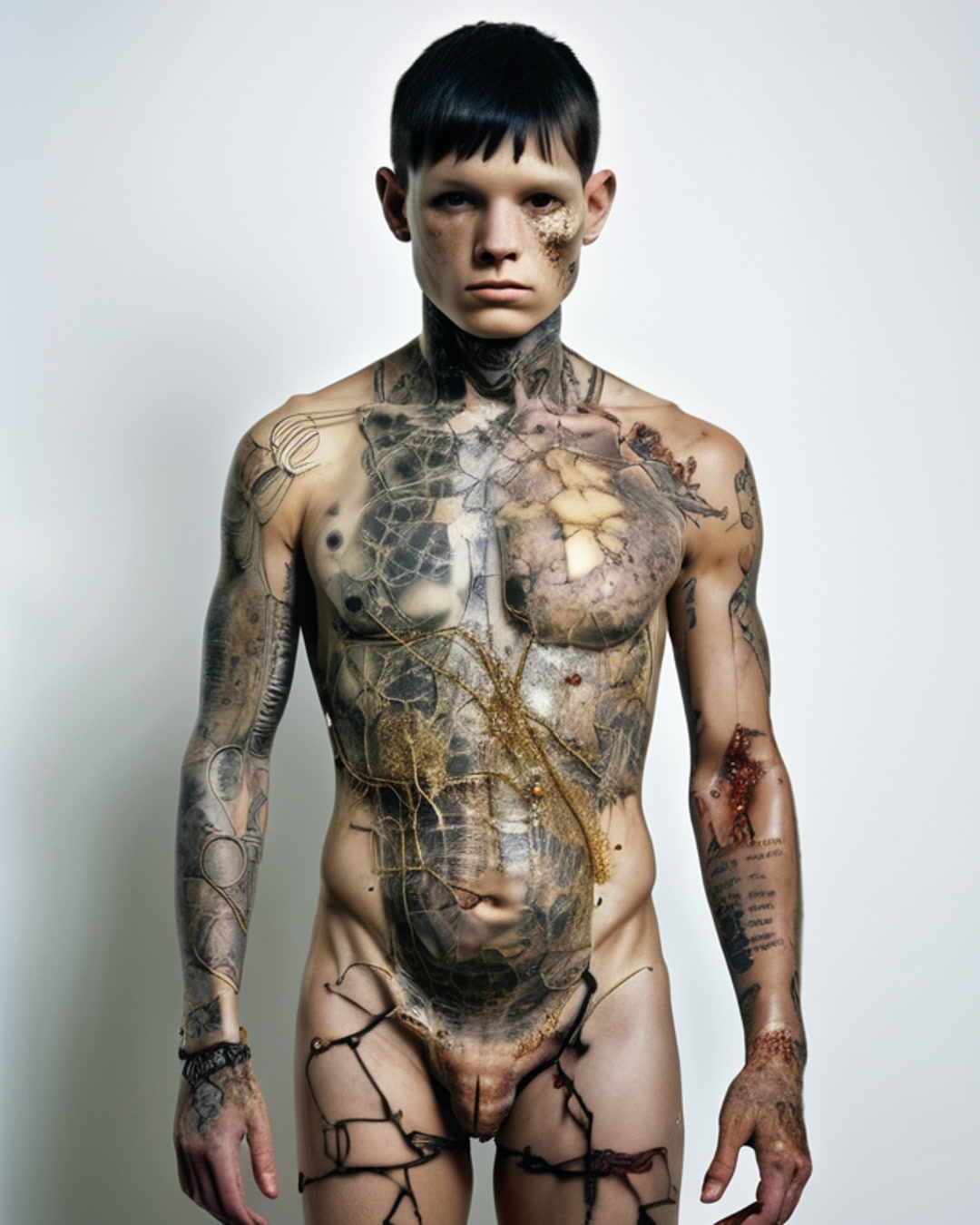
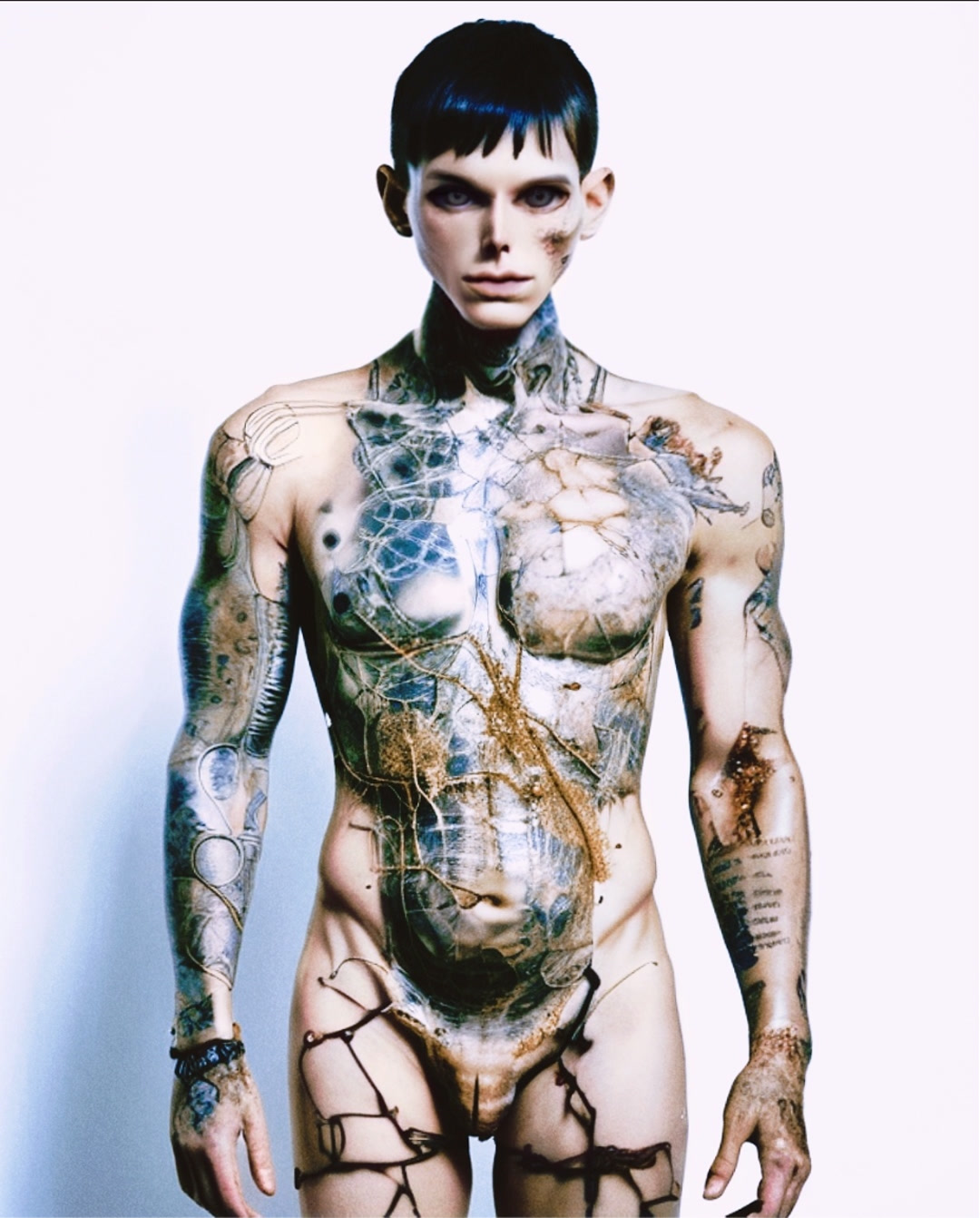
Portraits
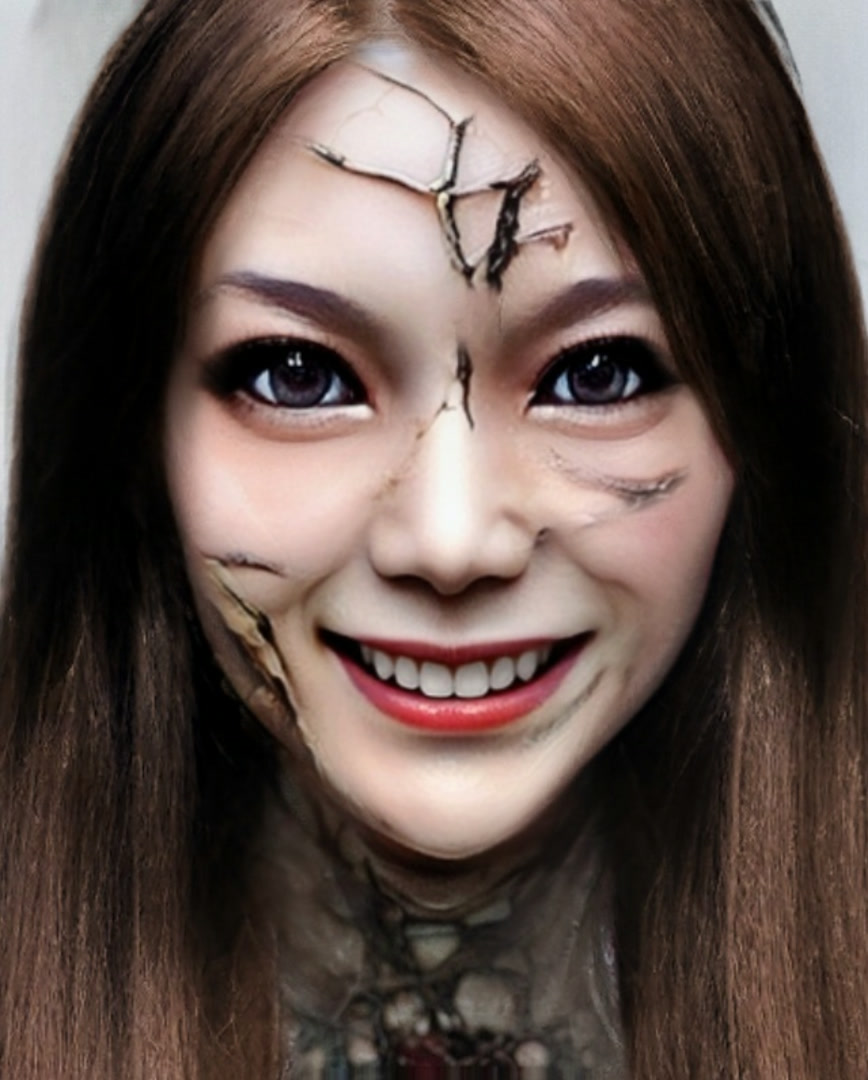
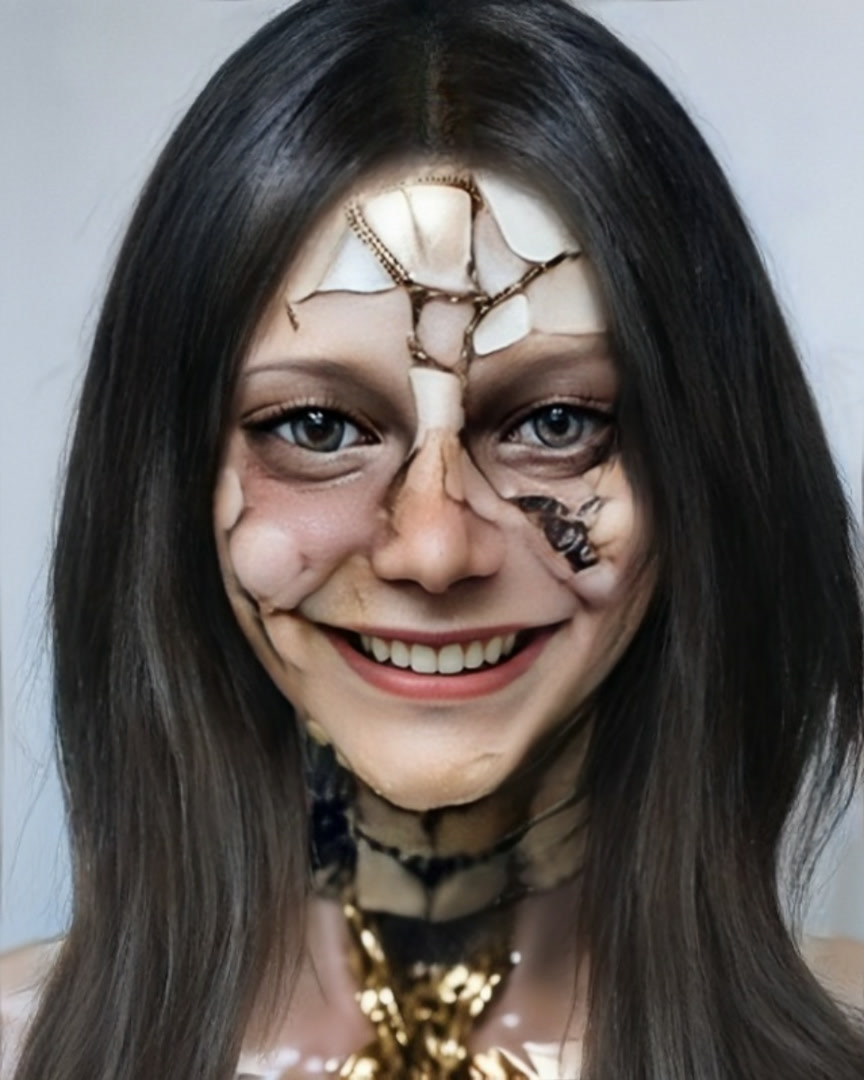
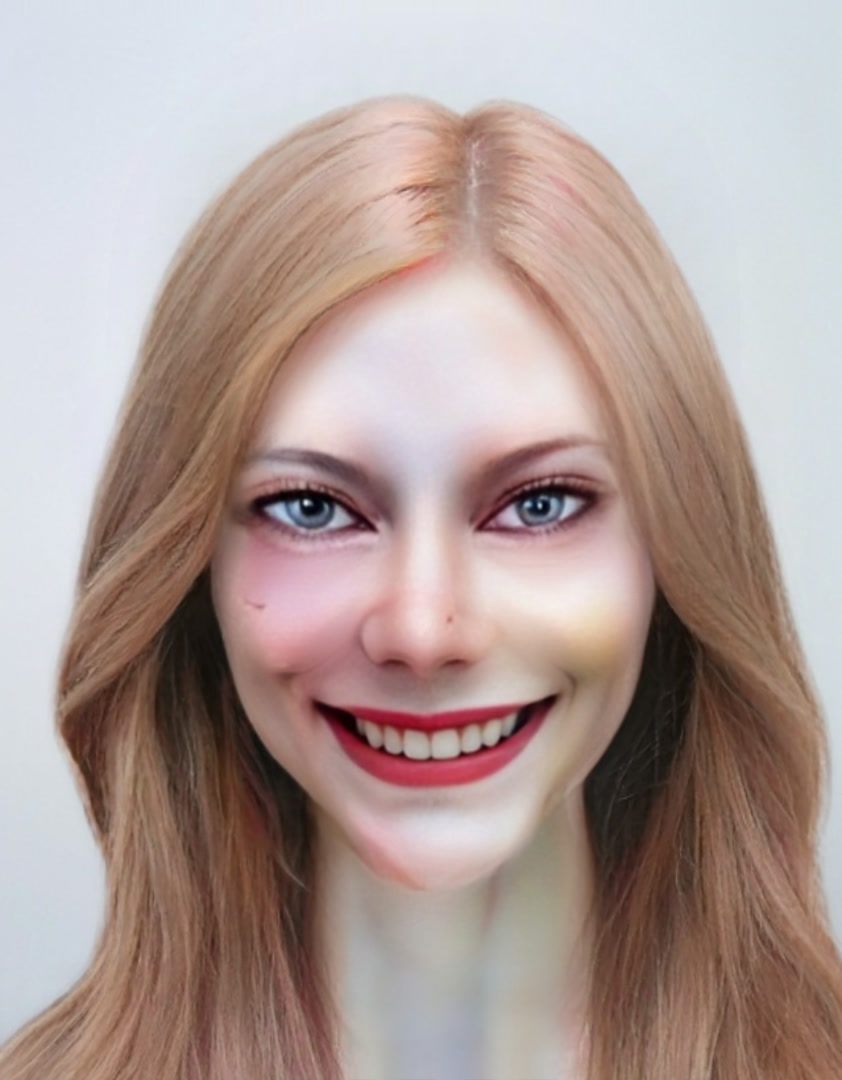
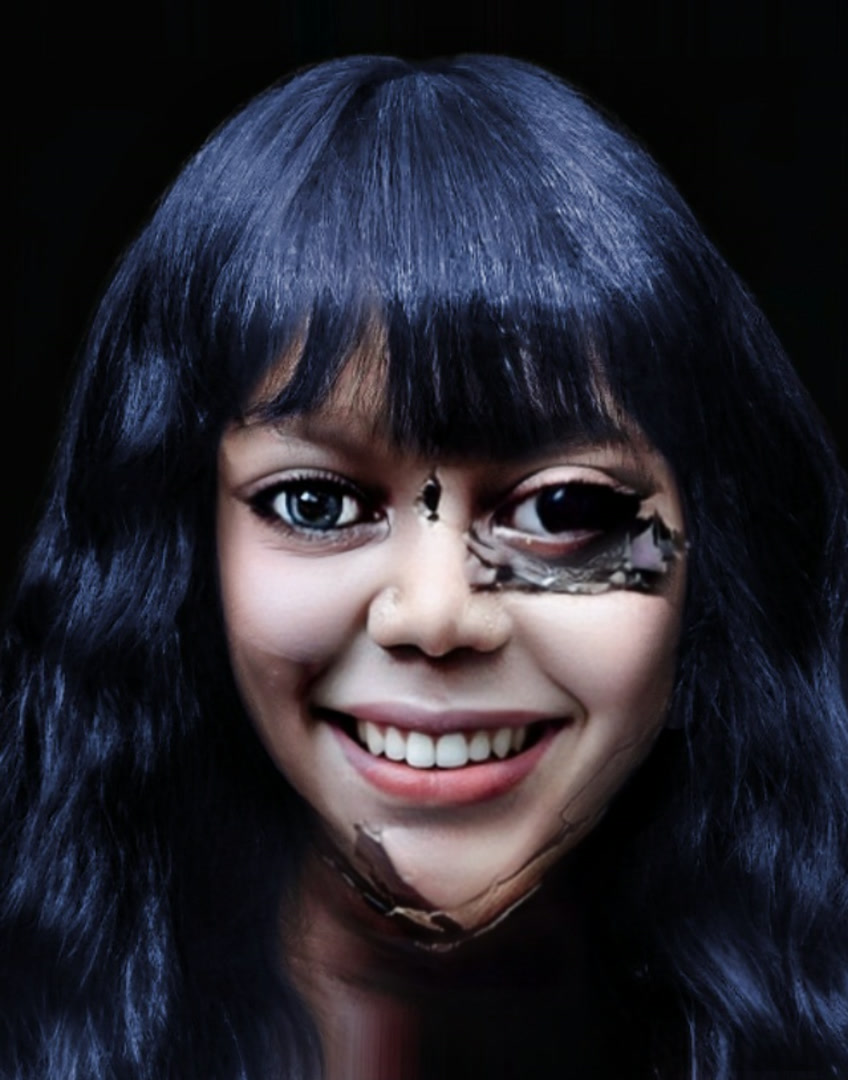
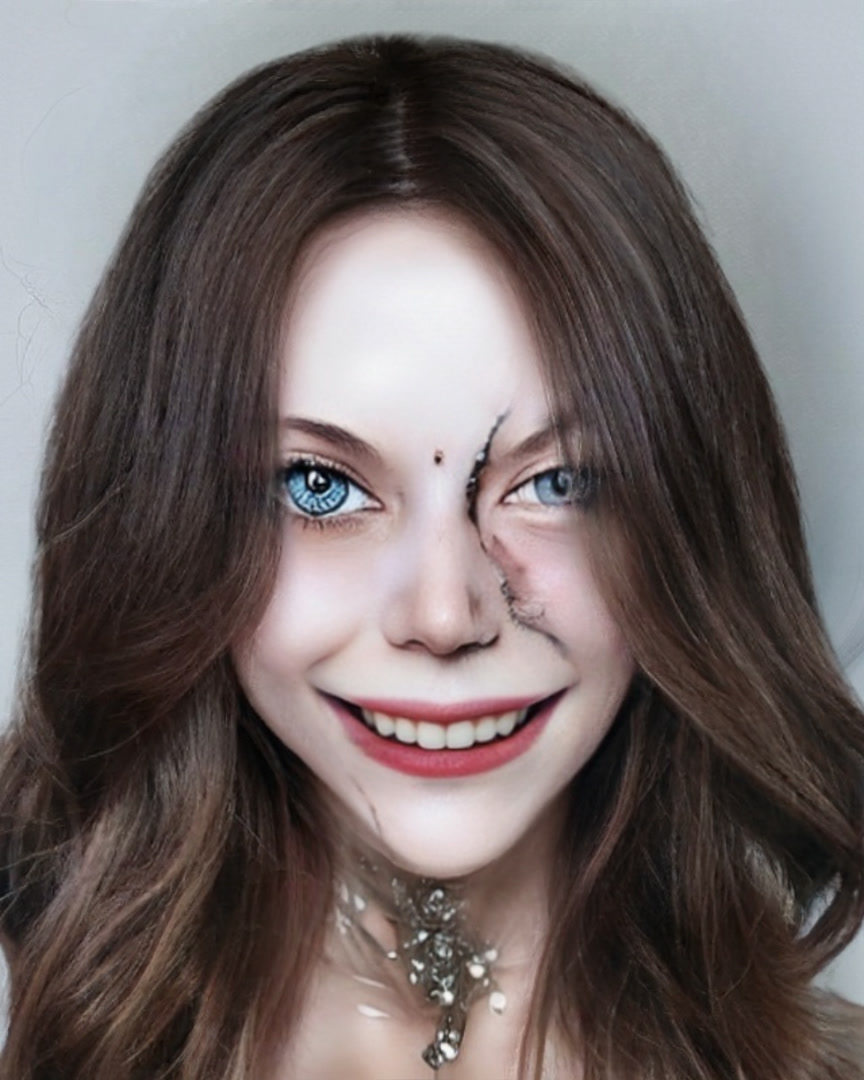
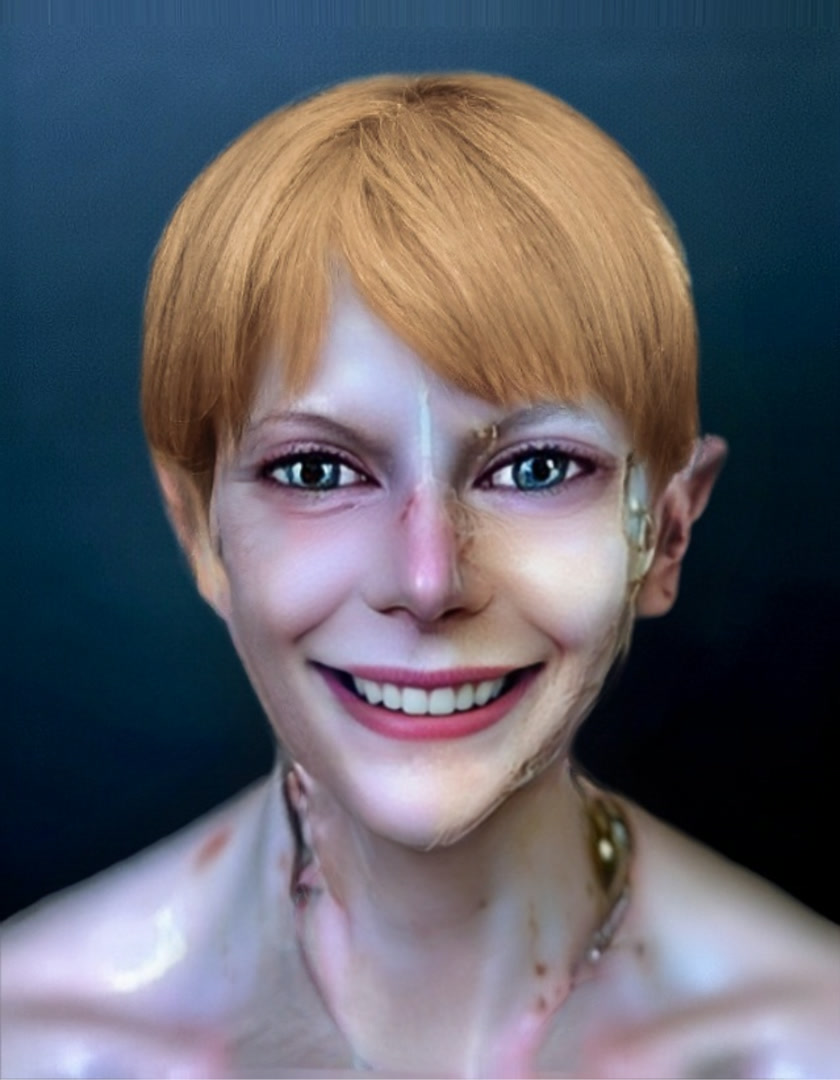
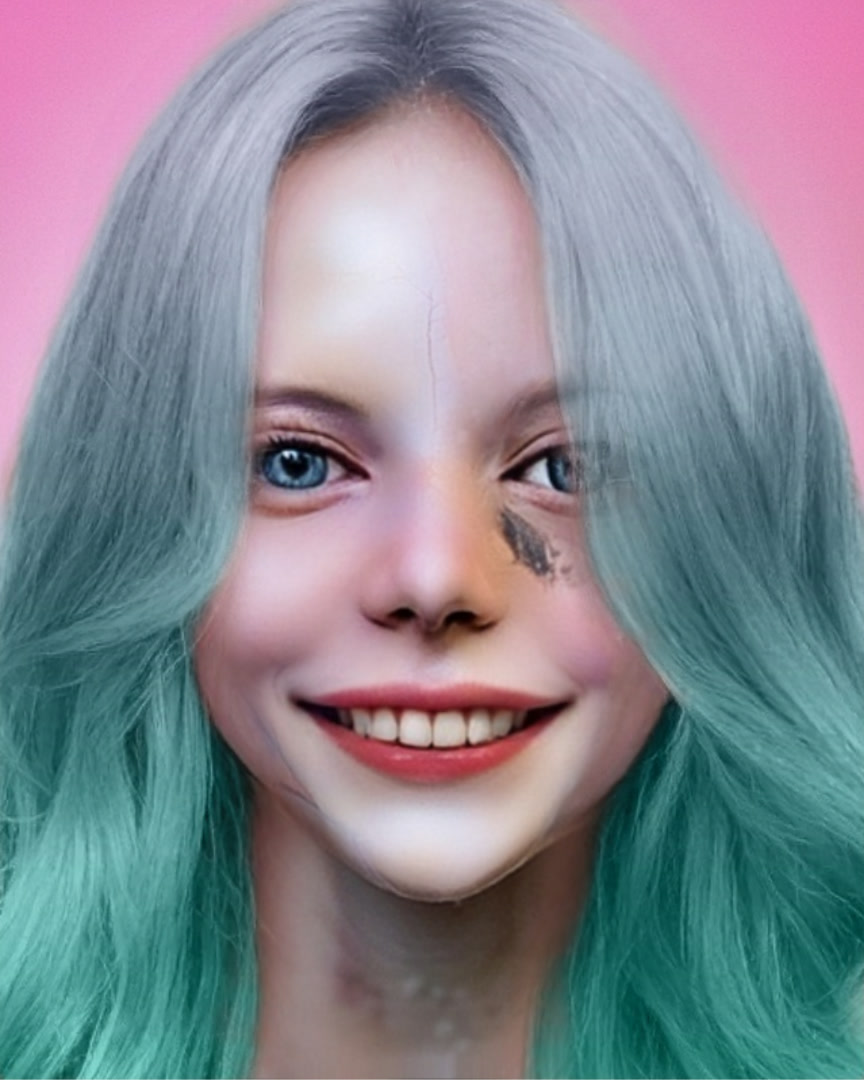
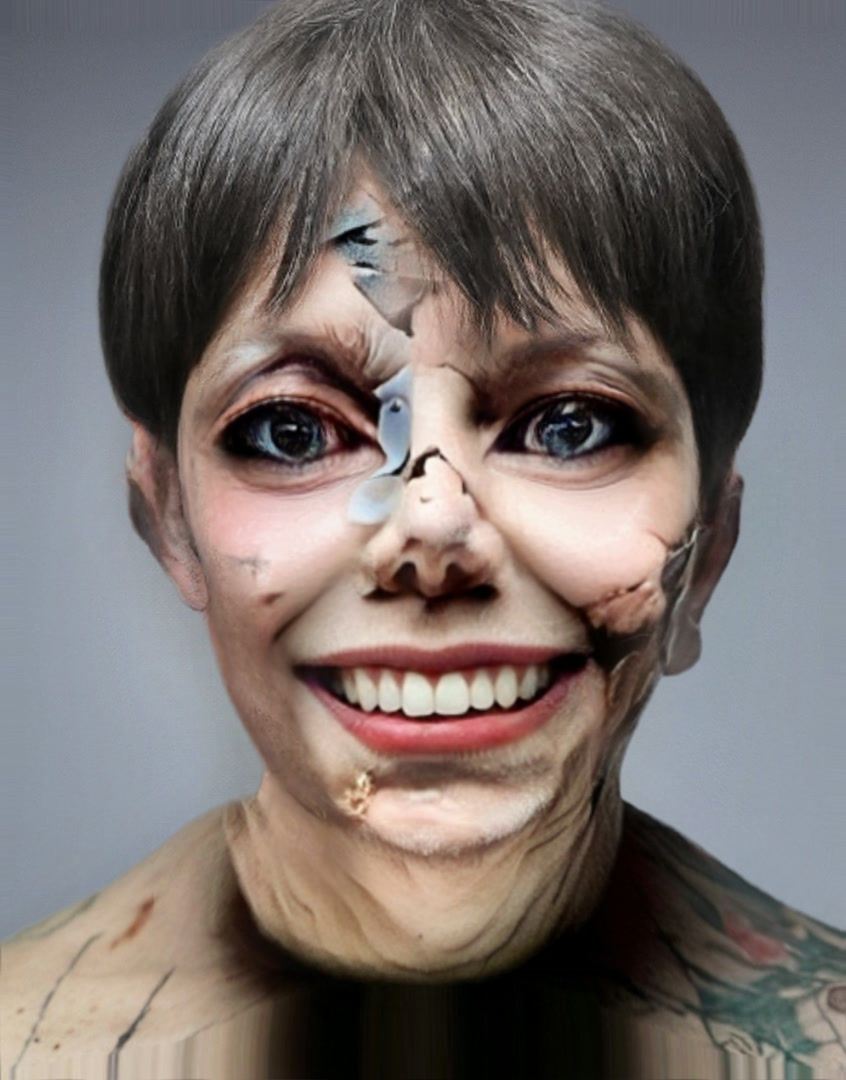
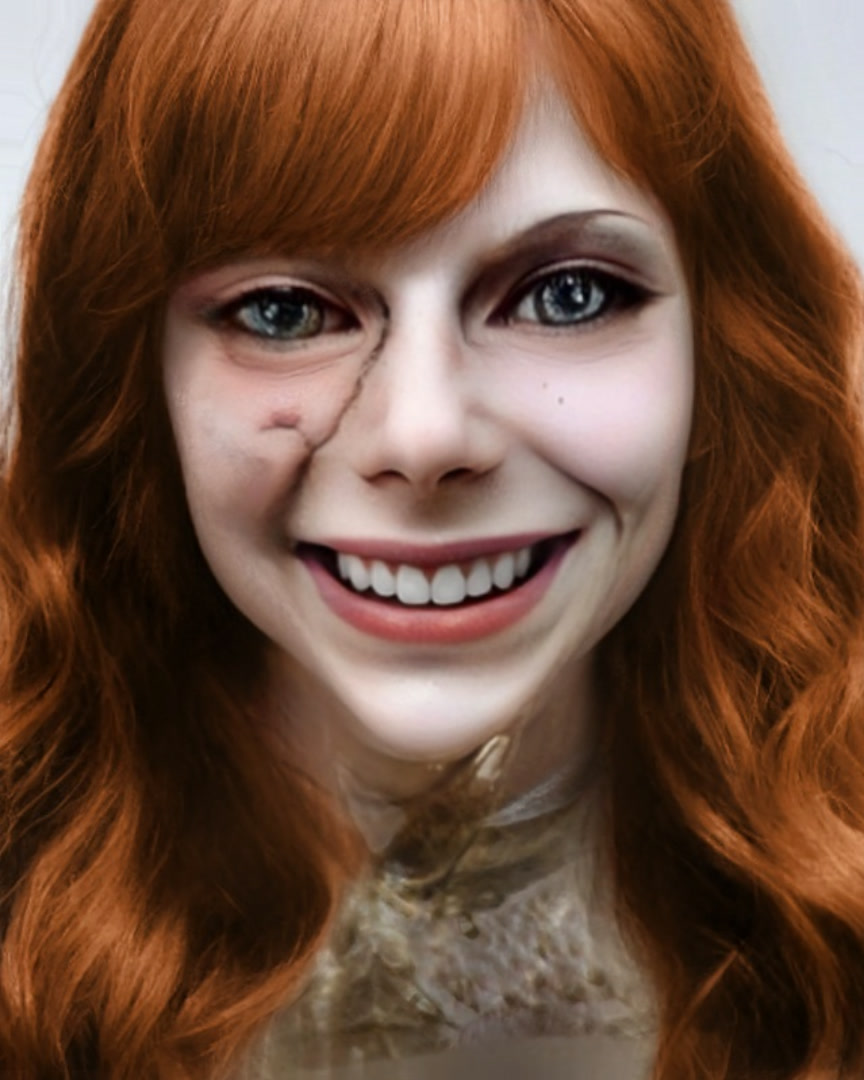
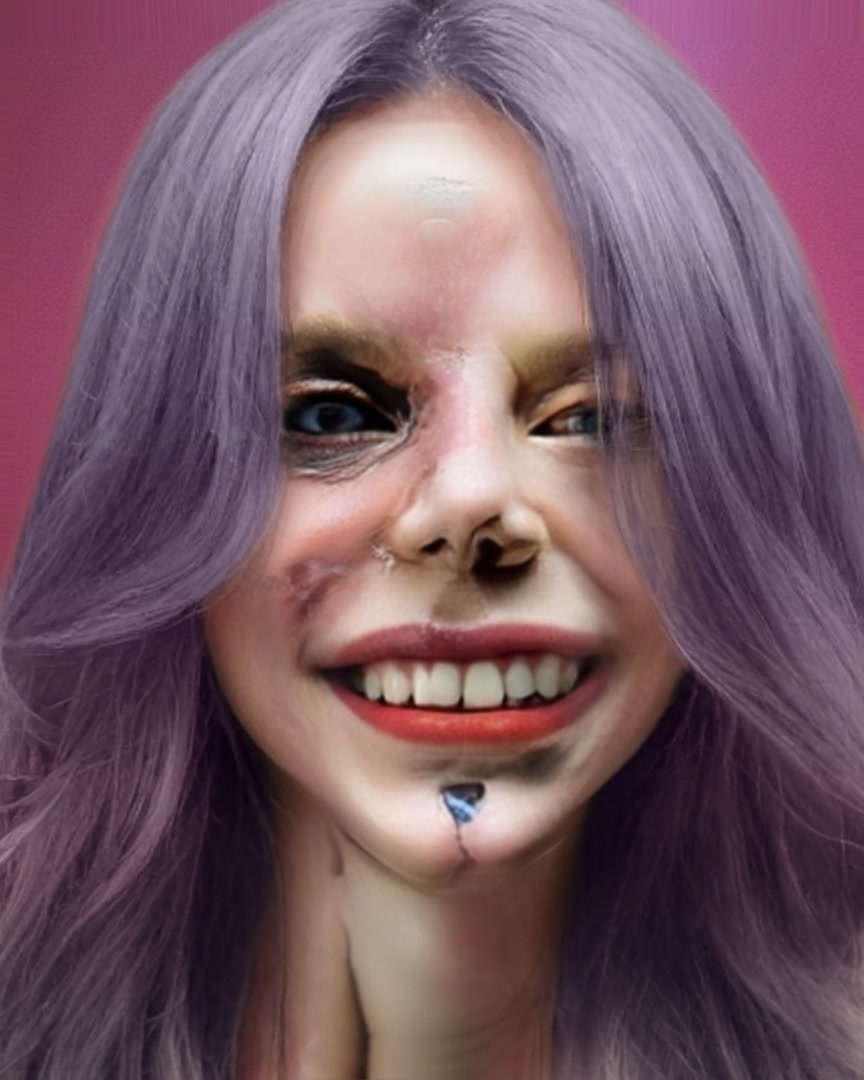
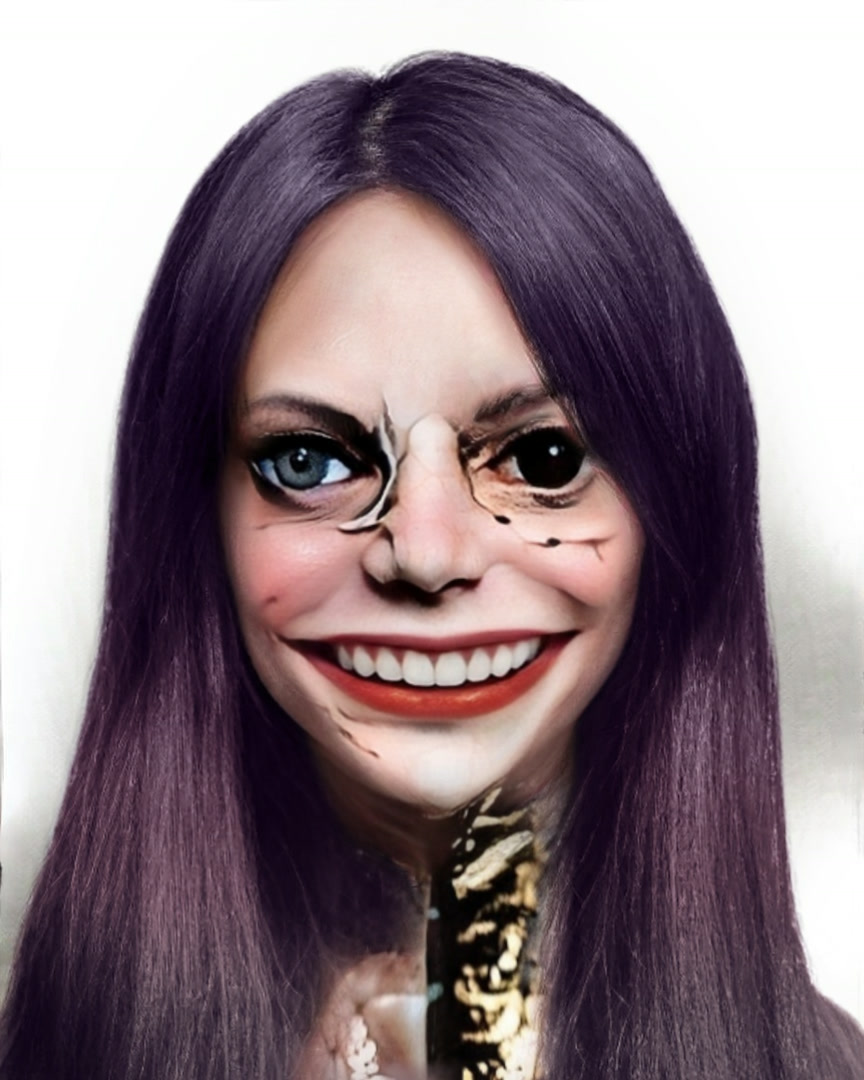
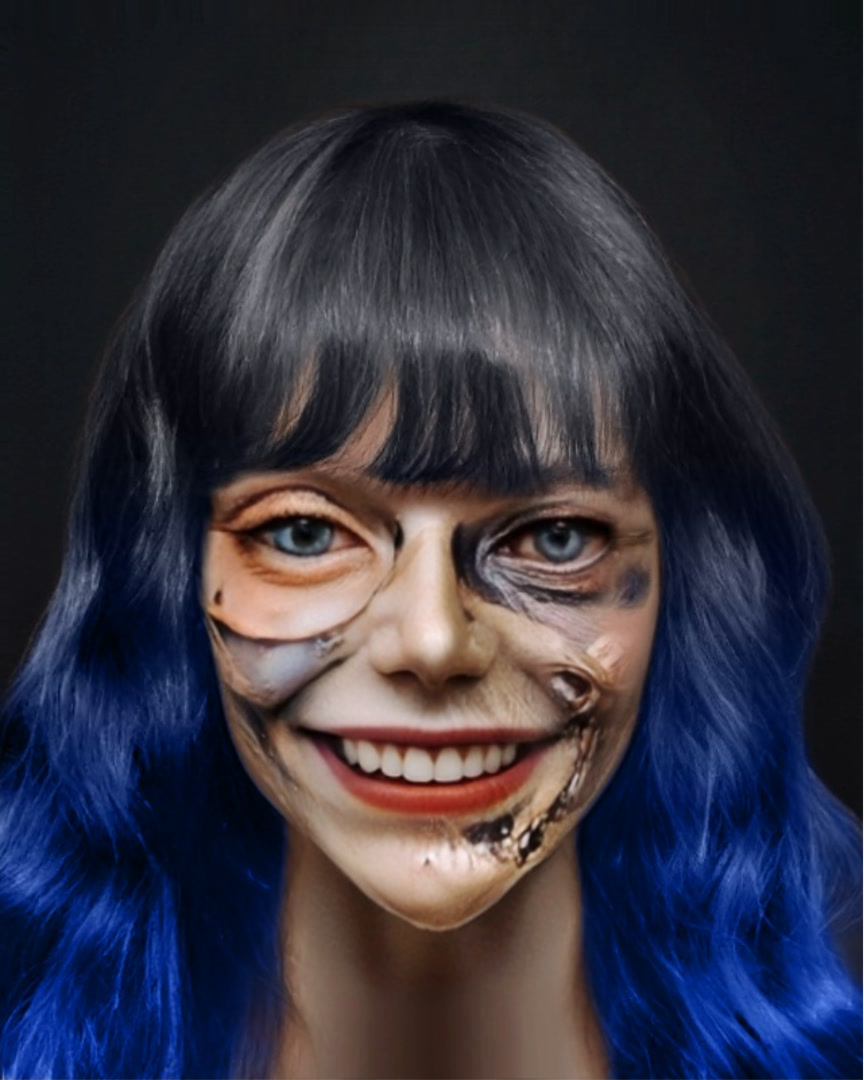
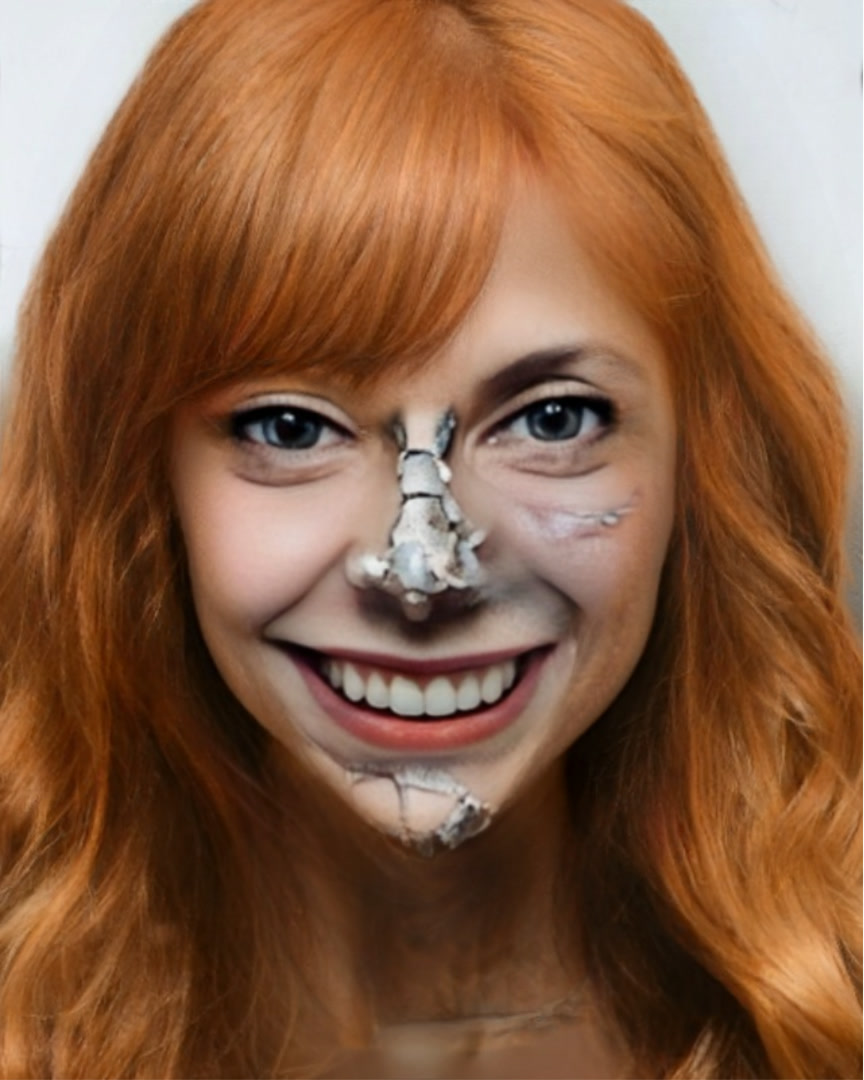
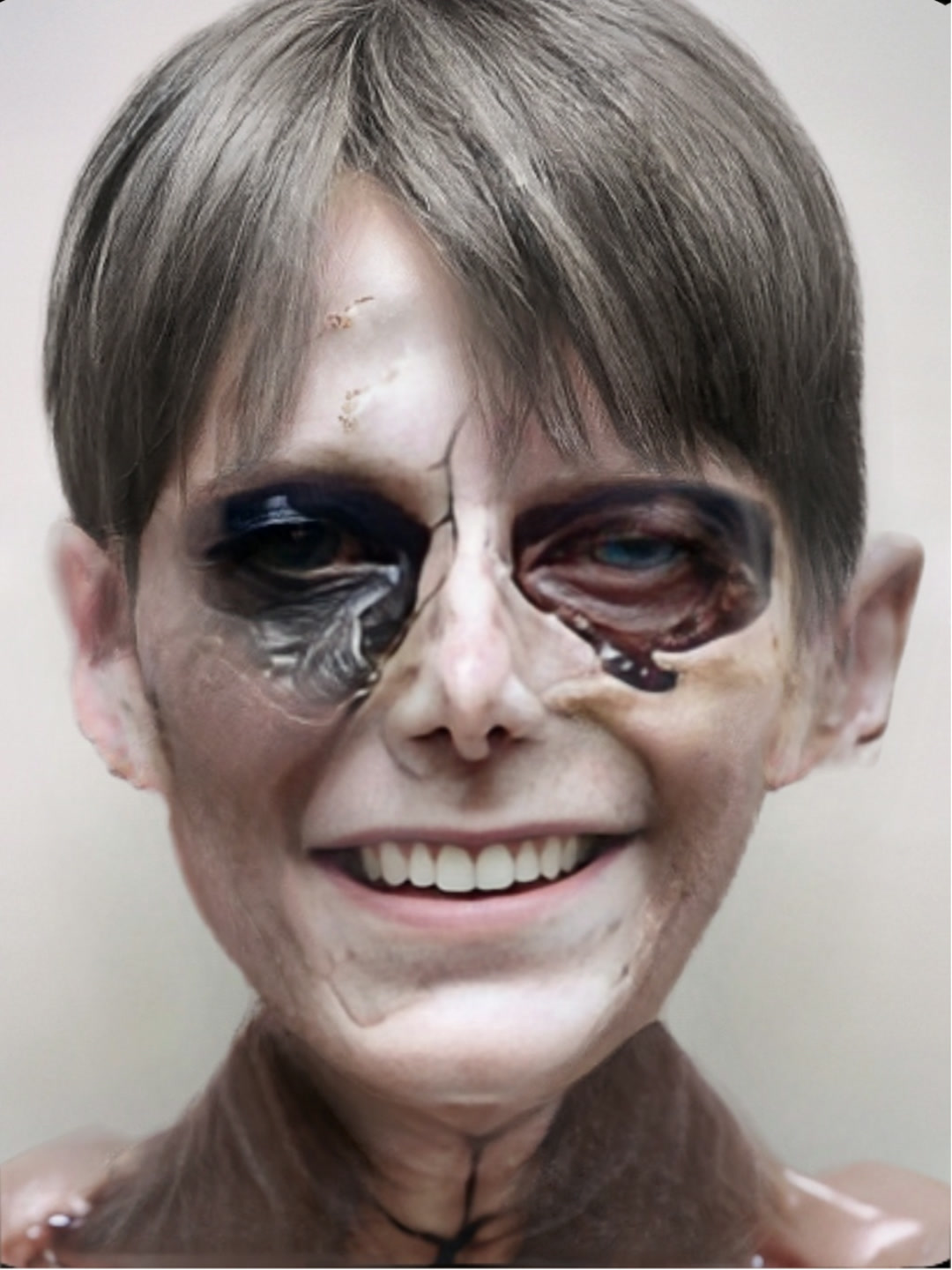
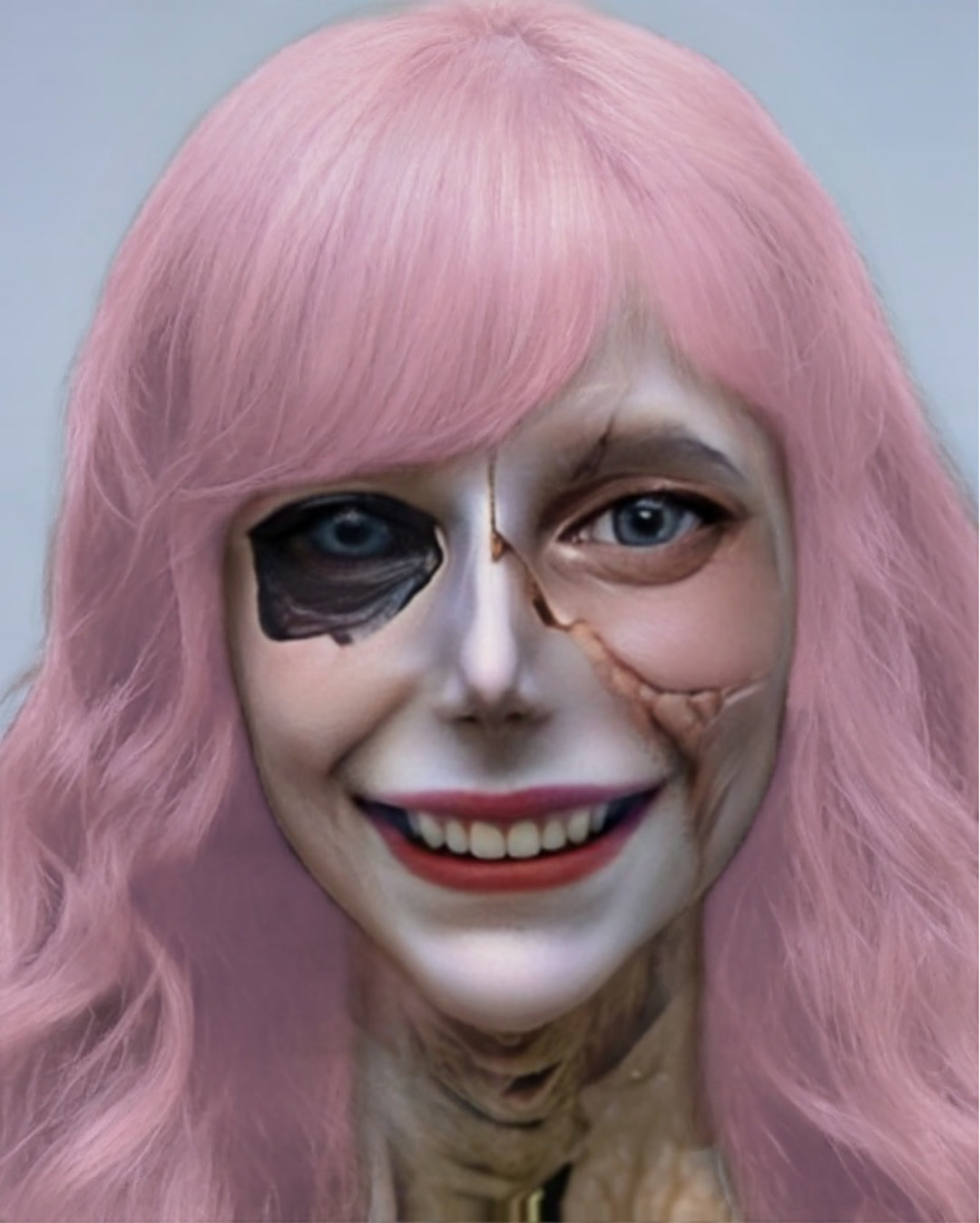
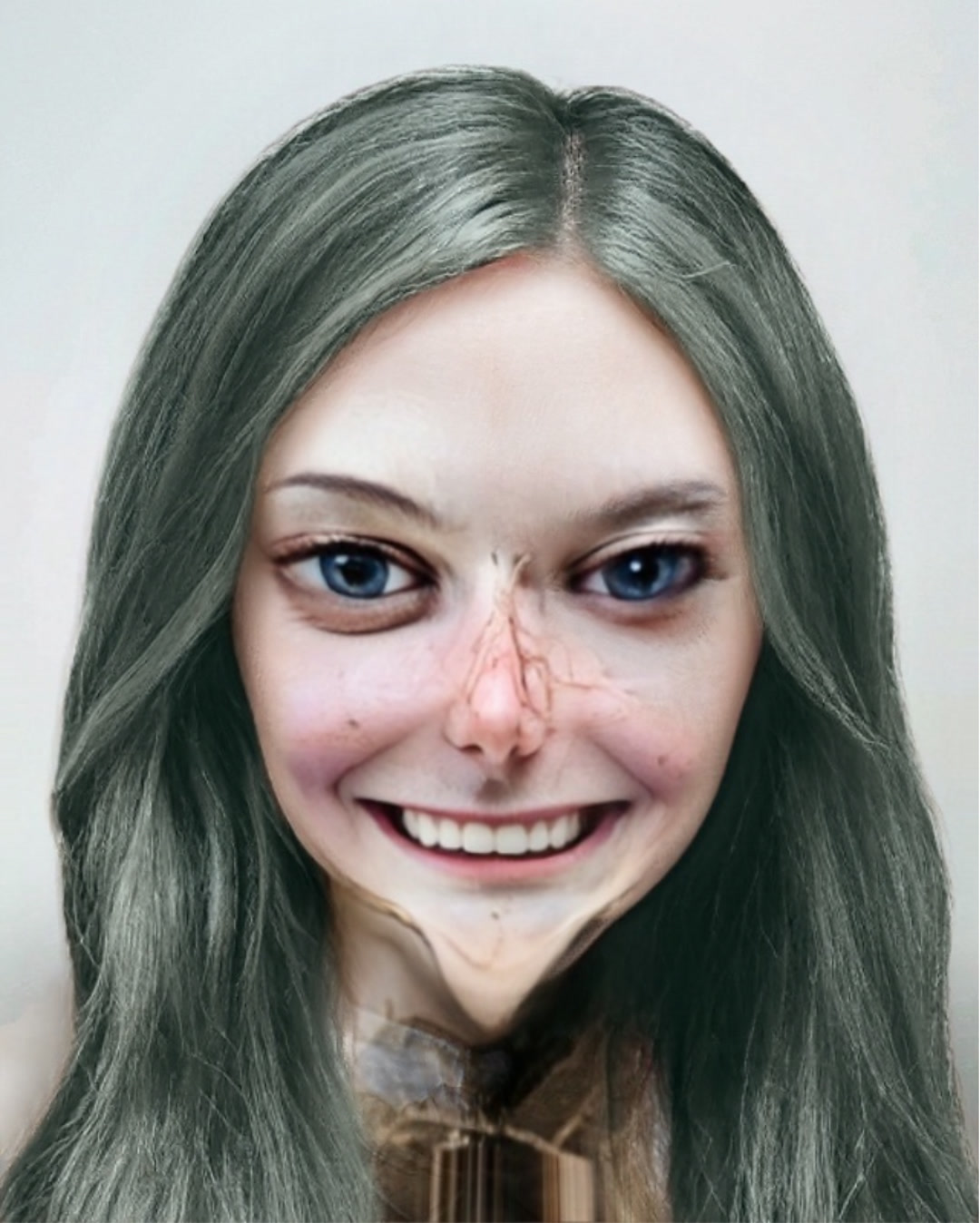
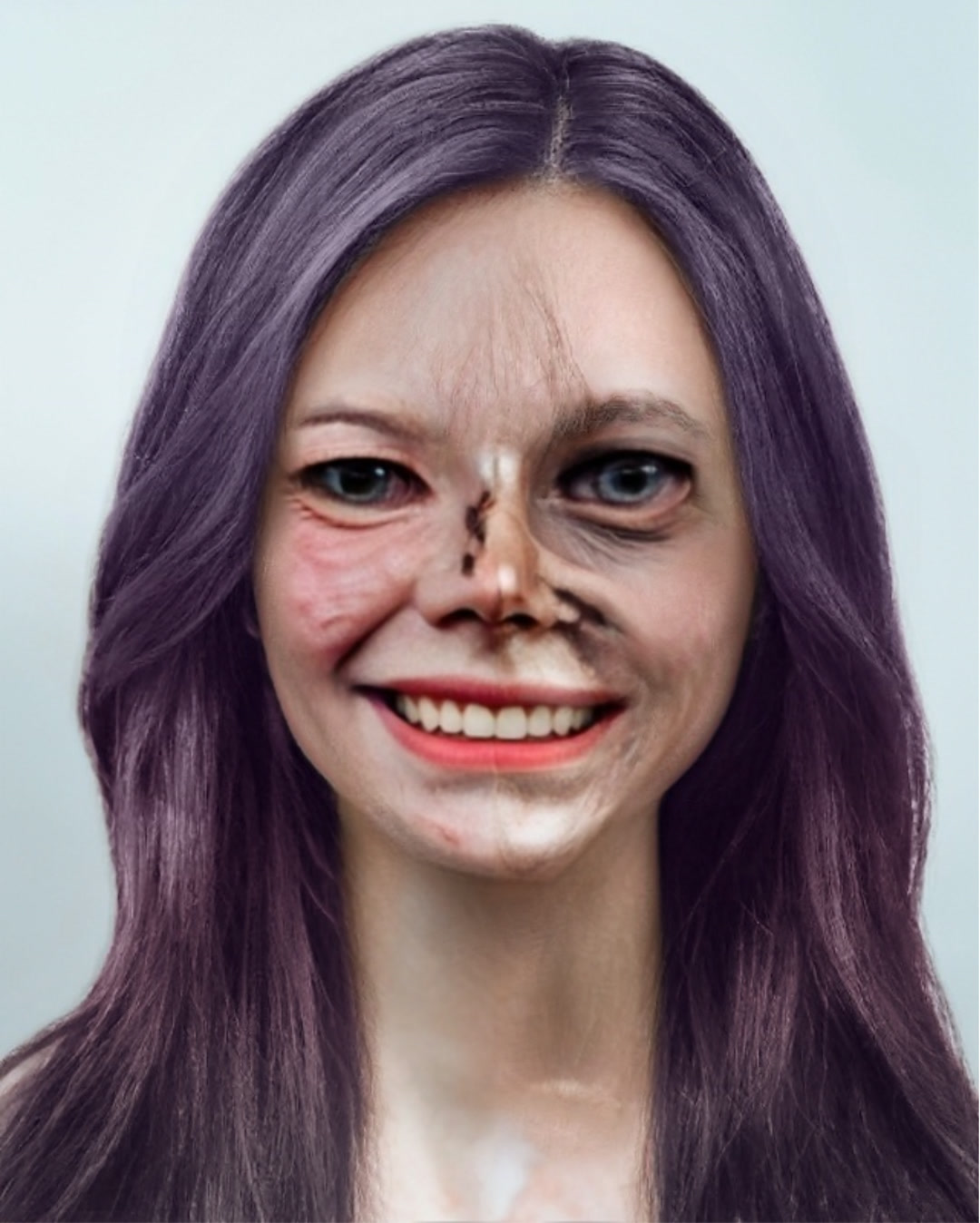
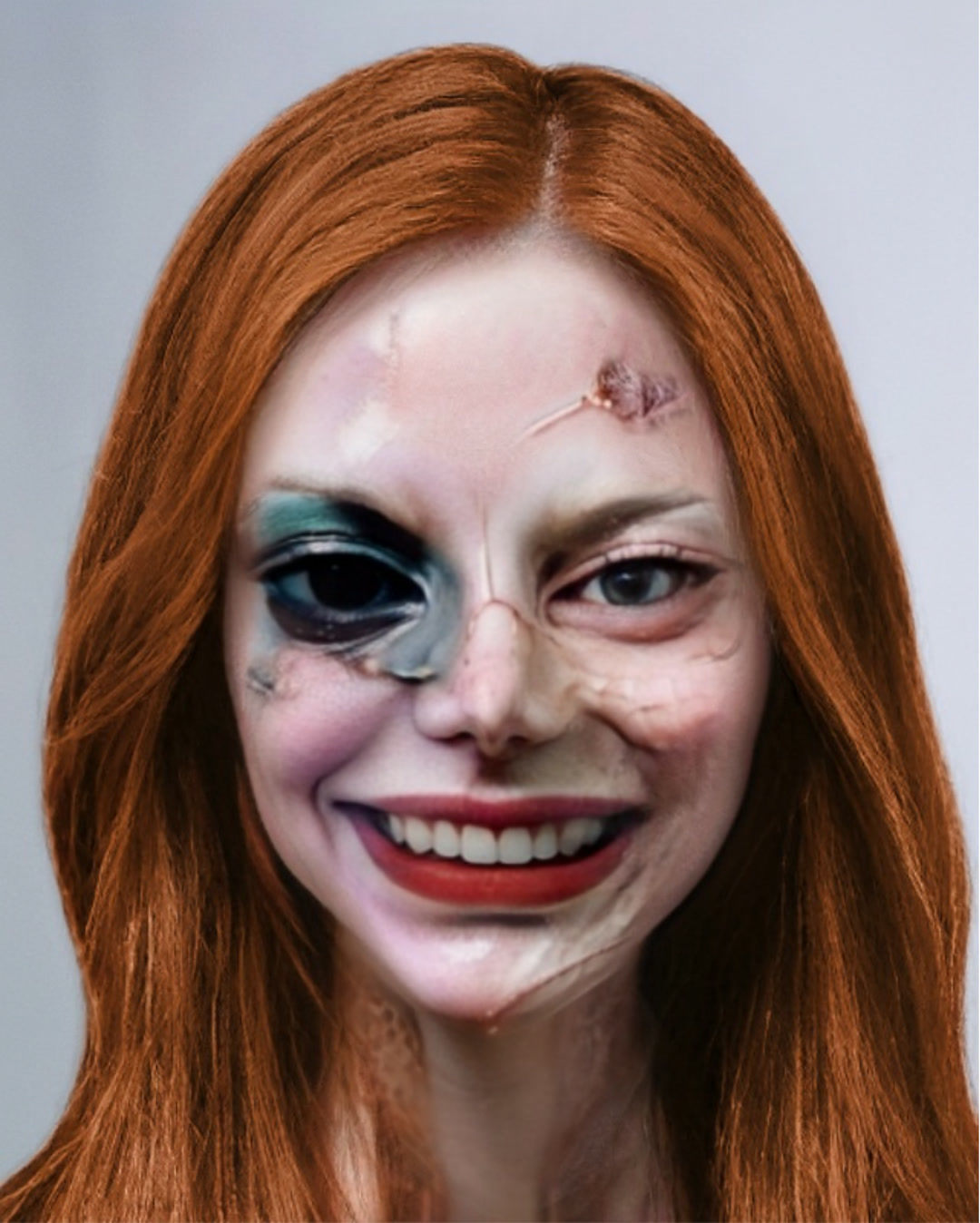
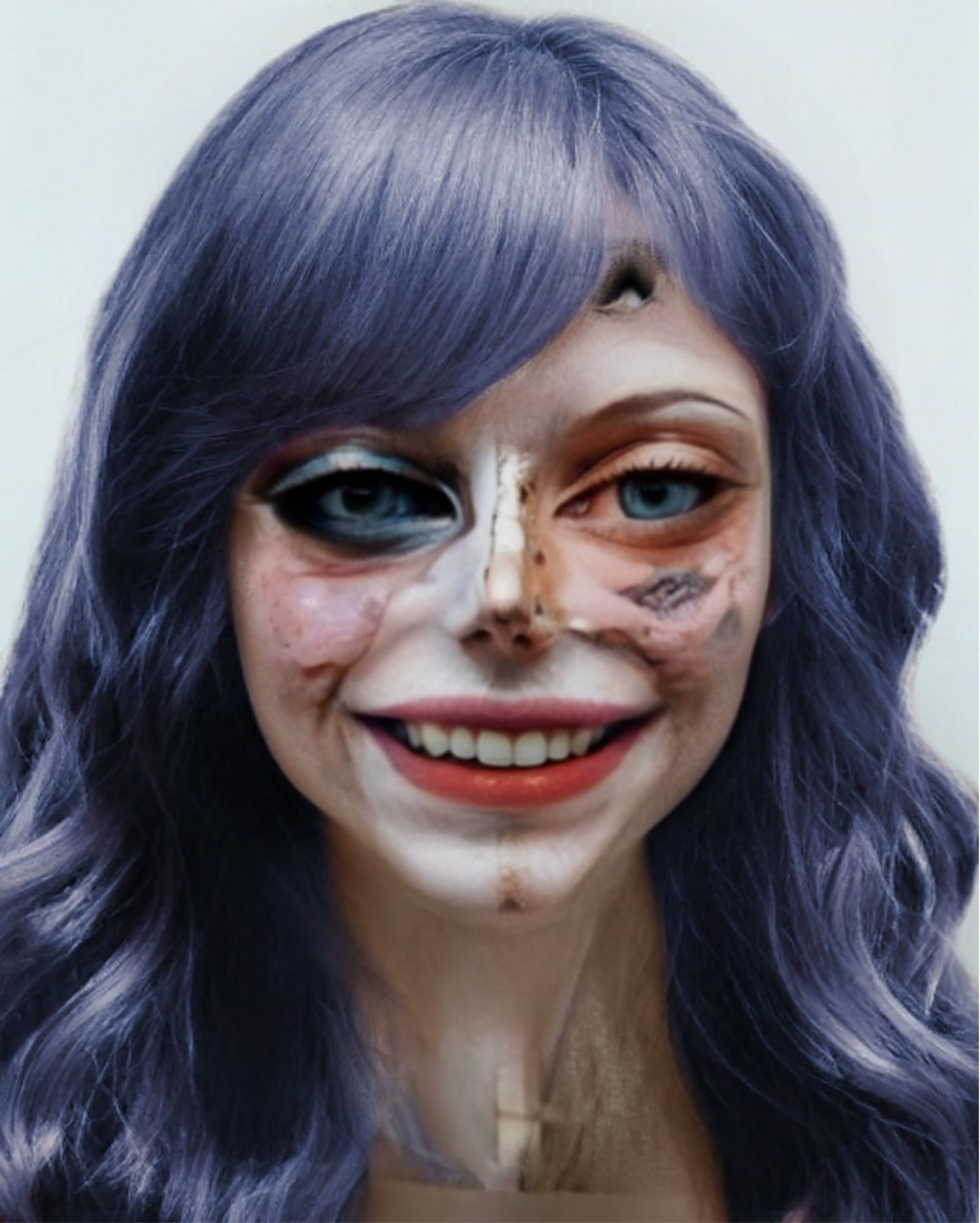
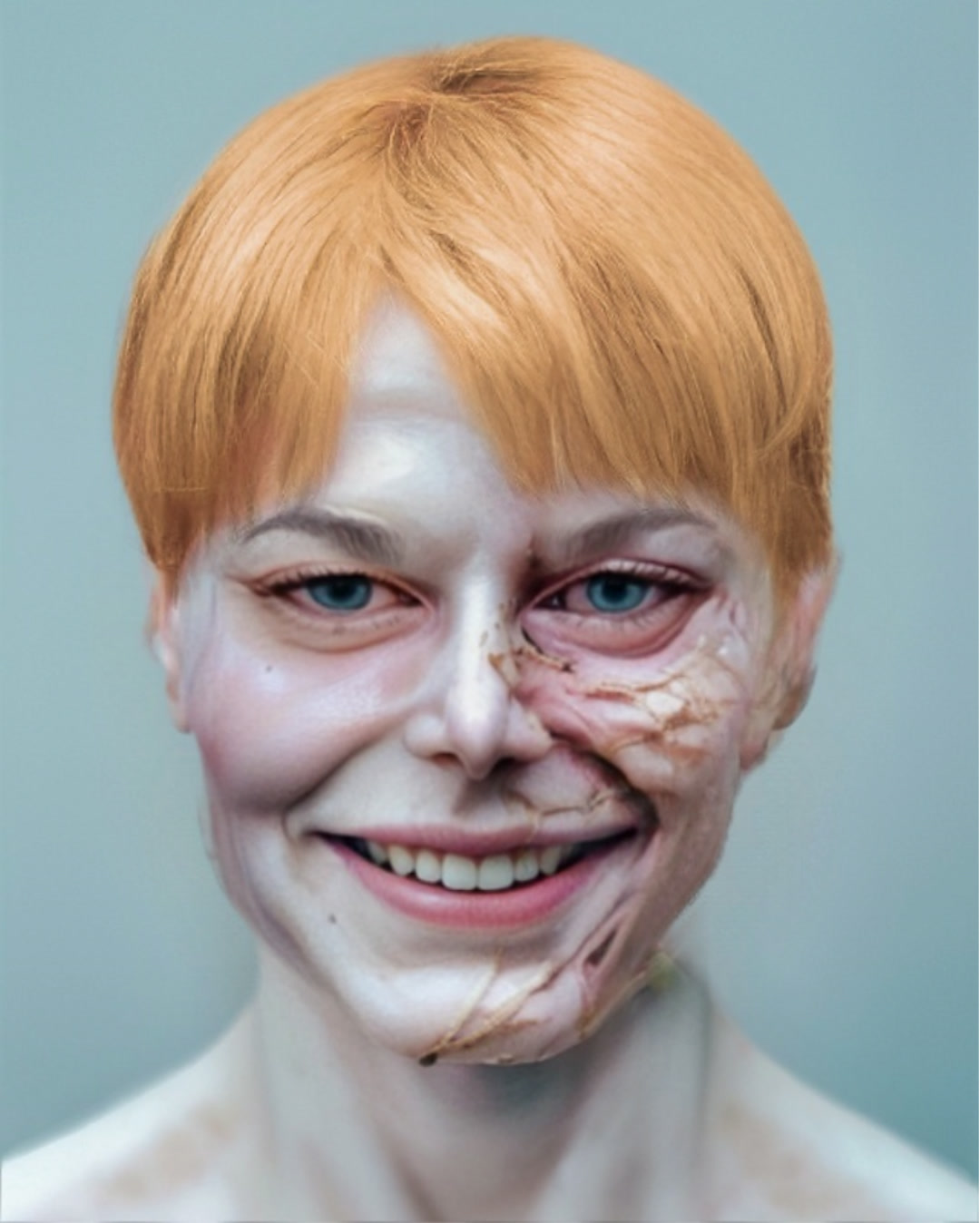
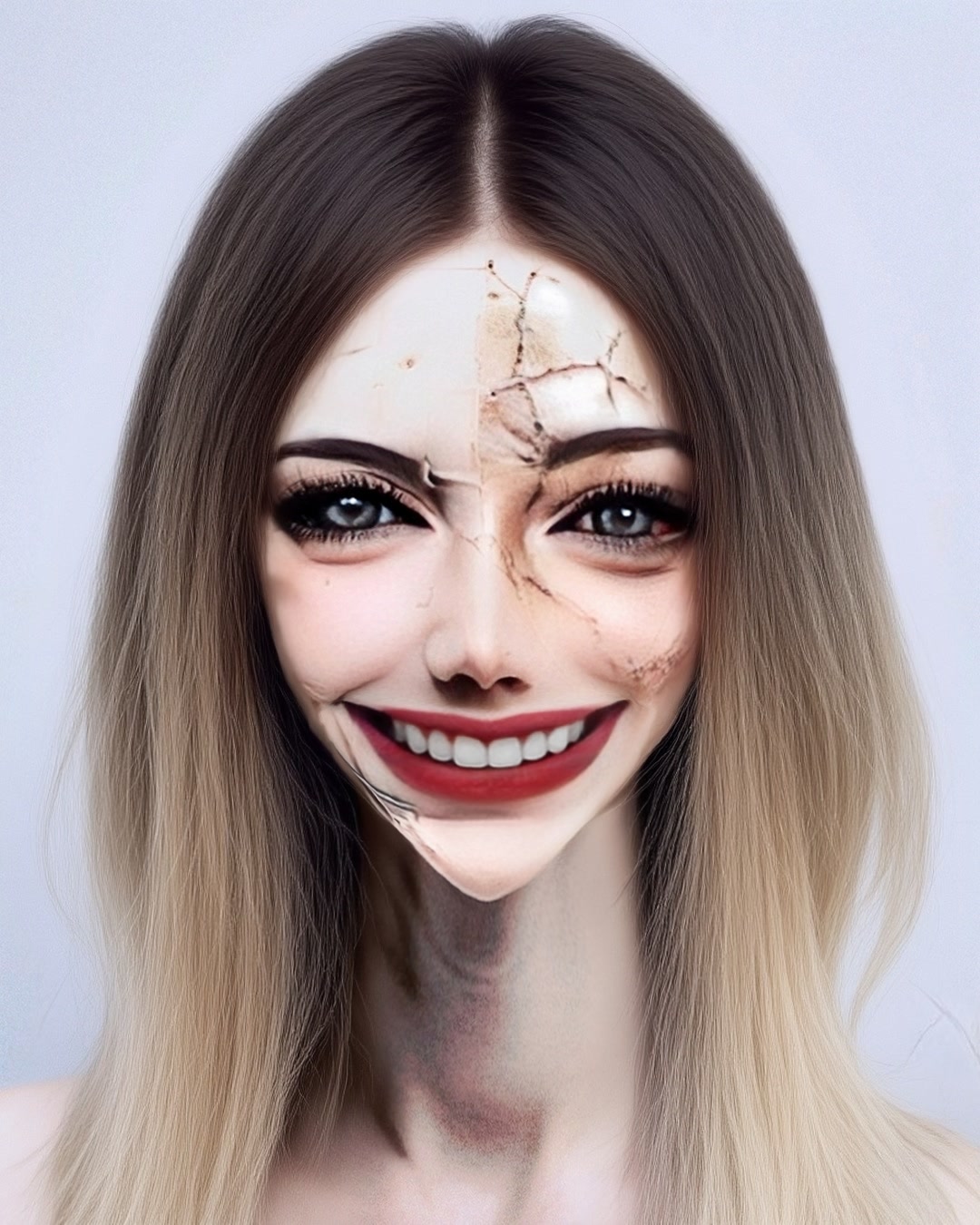
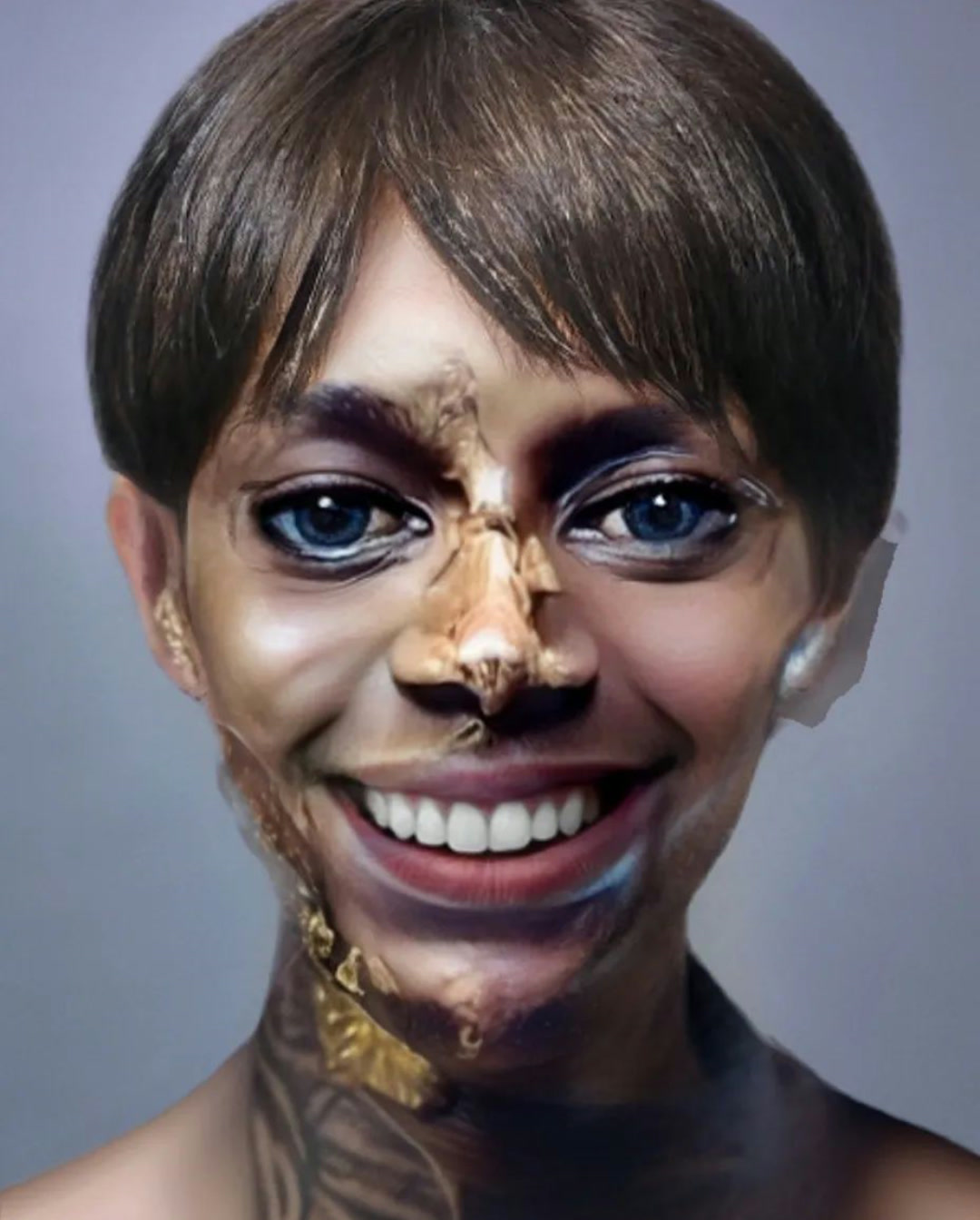
Three years ago, while everybody was using AI to "fix" their look, I wanted to explore what I call the thorn sense of beauty—basically everything we have excluded from beauty through the centuries, cursing it as ugliness. Something infinite, like nature or the divine, contrasted with beauty, which has always been something limited and human-made.
AI is fundamentally about creating beauty because it is built to mirror human work rather than the work of nature. And man is obsessed with perfection, despite our inherently imperfect nature. AI generates beauty by smoothing out features. Humans have done this for centuries, taking it to extremes with the faces of Disney princesses and Barbie, and pushing it in the opposite direction through plastic surgery.
Anyway, I started using AI to generate "ugly" photorealistic portraits. Simply typing "ugly" into a prompt is dull; and if you use words like "wrinkles" or "big noses," AIs tend to default to cartoonish or caricatured old people. But when it comes to ugliness as a genetic condition, or faces scarred by disease and violence, AIs panic, and most descriptive prompt words are blocked.
Platforms claim to protect the community, etc. But protect the community from what? From "ugliness"? Is our imperfect nature dangerous? Are people living with health conditions meant only to face bullying and harassment? What about the artistic freedom to depict them? Is it true that pain must remain silent before it can become a story? If AI is an art medium, shouldn't it allow me to portray people with facial and body conditions?
I found this deeply limiting artistically, and critically dangerous in terms of denying the representation of people who don't look like a Kardashian's selfie. It's completely non-inclusive, patronizing, discriminatory, and ultimately a means to control reality.
I eventually found a way around the word censorship. By using ambiguity, I managed to create a series of portraits that defy the beauty standards—and the manufactured reality—that AI companies are pushing on us. Then, I used AI beauty apps to "fix" these portraits, rendering them completely average: a short-circuit between artificial intelligences.
I called the series BÆUTIF∆ID. Sick roses.
On the method
AI-generated faces from THƏ L∆B ØF ∆NØM∆LIƏS, passed through a beautification app. Shown in pairs: the face as generated, the face as corrected. Two machines, two datasets, one standard. AI against AI: one corrects where the other failed.